
You walk into the vet clinic, assuming a veterinarian will handle your dog. That’s not always what happens.
Multiple people with wildly different training levels might touch your pet behind those exam room doors. Some have years of education and certification. Others are in their first week on the job. They wear similar scrubs and use similar language. You’re never told the difference unless you ask.
In this article, you’ll learn exactly who works at a vet clinic and what their actual qualifications are. You’ll discover which tasks each role is legally allowed to perform. You’ll find the specific questions to ask so you know precisely who’s treating your dog and why that matters.
Budget tip:
While you may have a lower bill if a vet tech works on your furry friend, you may not think the bargain veterinary care is a deal in the end. Also, you can ask how many times they’ve performed the procedure. If you’re gut does flips at what you hear, trust it and ask for your well-trained vet to work on your four-legged friend. Being aware of who is working on your buddy can be a major win-win for your fur kid’s care.
Who are the vet associates in my vet clinic?
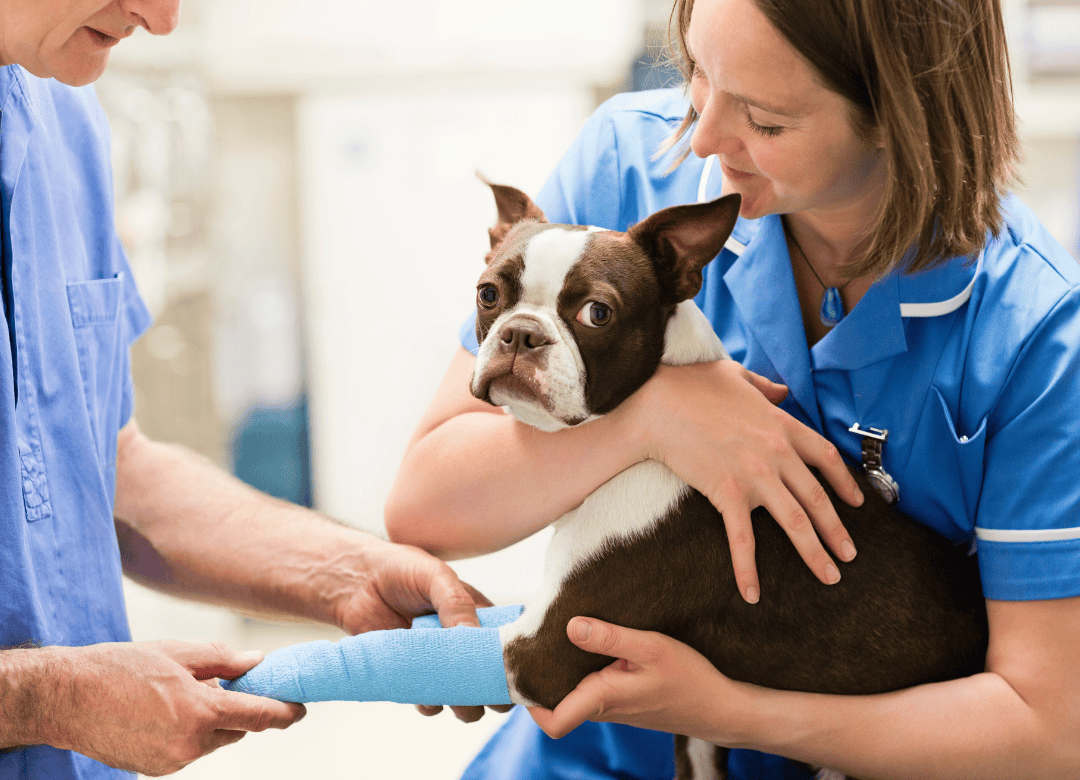
Many people within your vet clinic may handle your buddy. Most of the time, when someone grabs my dog, Henry, I’m told he or she is a “vet tech”. However, this is an overarching term that covers different types of veterinary associates.
These associates are:
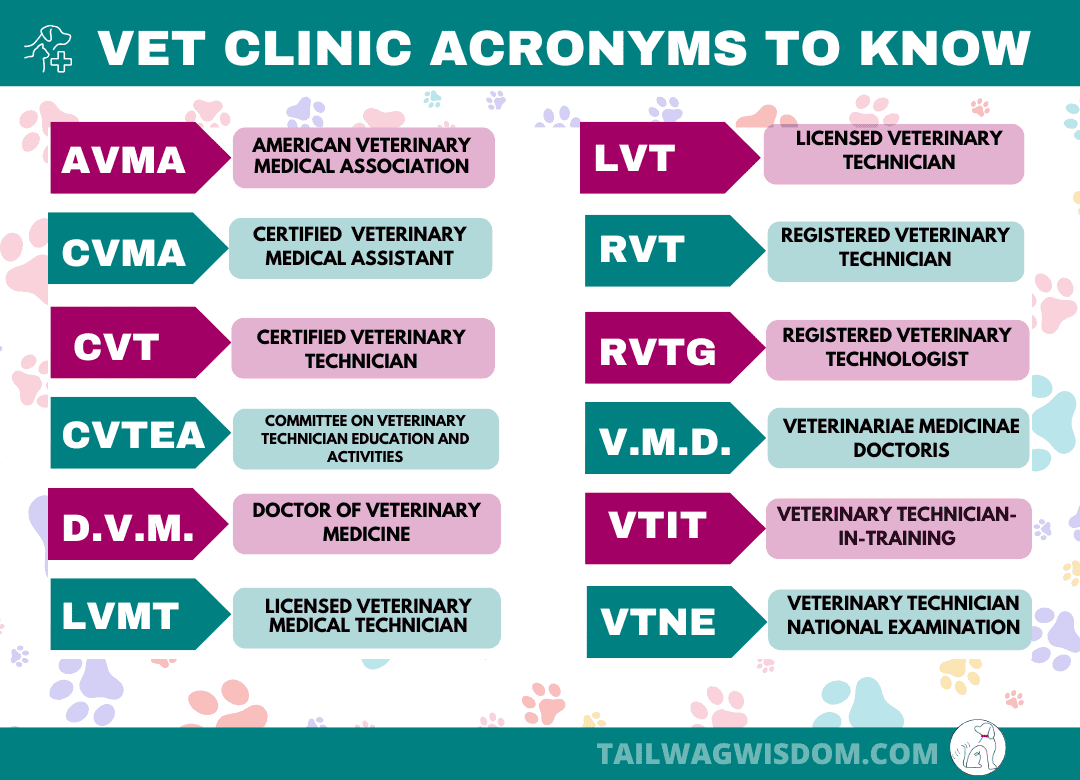
- CVT: Certified Veterinary Technician
- LVT: Licensed Veterinary Technician
- LVMT: Licensed Veterinary Medical Technician
- RVT: Registered Veterinary Technician
- RVTg: Registered Veterinary Technologist
Note: While this post focuses on vet associates, that doesn’t mean that a veterinarian can’t make a mistake. If your gut tells you something isn’t right, trust it no matter who’s handling your buddy.
What is the educational background of my vet clinic’s associates?
Rest assured that your vet has an undergraduate degree and a four-year postgraduate doctorate of veterinary medicine from a veterinary college. Upon graduation, your vet received either a D.V.M. (Doctor of Veterinary Medicine) or V.M.D. (Veterinariae Medicinae Doctoris) degree. Additionally, to practice as a veterinarian your vet must pass the North American Veterinary Licensing Examination along with passing and meeting your state’s licensing requirements. This includes meeting continuing education criteria.
You can check out your vet’s license standing in your state by going here.
However, the educational background of your vet’s associates can vary widely. In general, you can expect a licensed or certified vet tech to have the following background:
- High school diploma, GED, or equivalent
- At least an Associate degree from an American Veterinary Medical Association (AVMA) accredited program
- Successfully passed the Veterinary Technician National Examination (VTNE)
- Approved license, registration, or certificate from your state
Additionally, and much like your veterinarian, a licensed vet tech must attend a certain number of education classes each year to maintain their license. However, the specifics of the continuing education requirements may differ from state to state.
What are the qualifications of Veterinary Nurses?
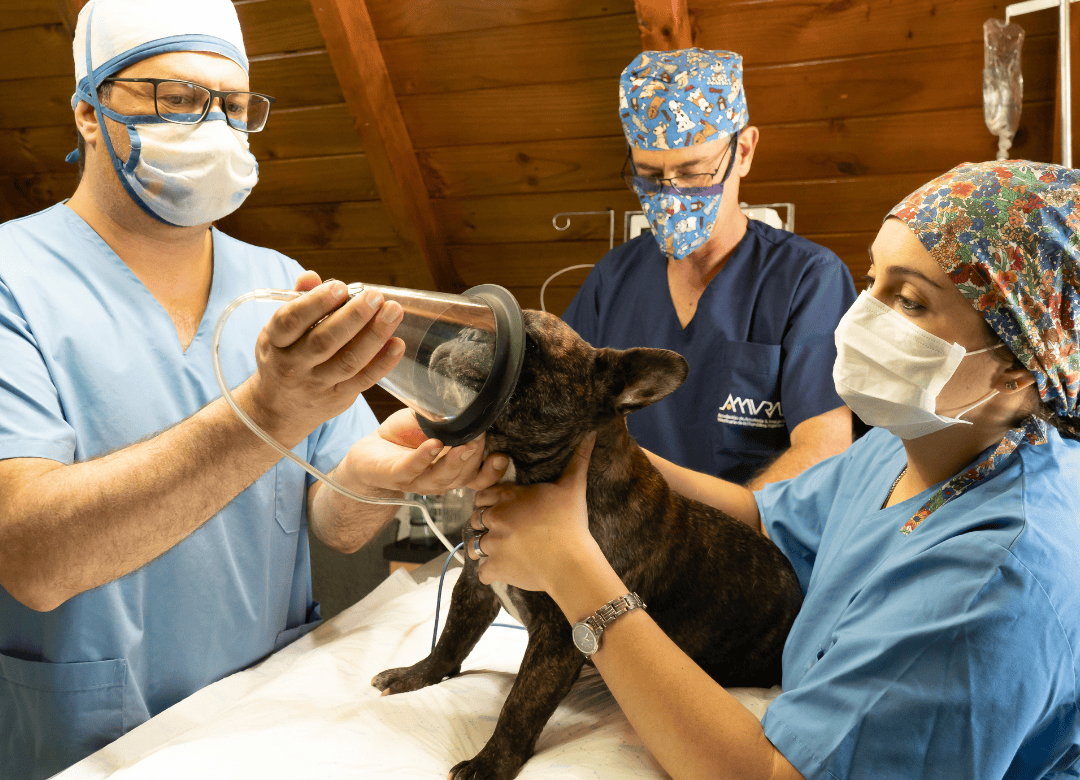
If your buddy is having surgery at your vet animal hospital or needs wound care, then a veterinary nurse might be providing care. The qualification of this type of vet associate can vary by location and vet specialty. However, in general, you can expect your clinic’s vet nurse to have the following:
- High school graduate or equivalent
- Completion of a two or four-year accredited program in animal science or veterinary technology
- Successfully passed the VTNE
- State issued license
- Continuing education as required by the state licensing board
Are all vet techs well-trained?
You’re probably thinking everyone who works on your best furry buddy has a license and is qualified. Maybe or maybe not.
Do you know that there are states (including my own) that will allow on-the-job training without a license? This could be while the person is preparing to take the VTNE or simply to gain knowledge so that they may take the exam.
What is a vet tech on-the-job training all about?
Again, this will vary state by state.
For instance, I looked at my vet clinic’s license on my state vet board site. In doing so, I discovered two of the vet techs at my veterinarian clinic are listed as “Veterinary Technician-in-Training” (VTIT). While this may take your breath away for a moment, it means different things in different locations.
In my state, most procedures a VTIT can do requires the licensed vet to supervise the procedure. During the training process, the person is learning. Thus, the thought is they will be able to take and pass the Veterinary Technician National Examination (VTNE).
Rest assured that most states require that a person graduate from an AVMA- Committee on Veterinary Technician Education and Activities (CVTEA) or Certified Veterinary Medical Assistant (CVMA) accredited program to be eligible to take the VTNE.
However, in some U.S. states (Alaska, Colorado, Montana, Utah, and Wisconsin) you can be considered eligible to take the VTNE if you meet on-the-job training requirements.
Can a person who isn’t a graduate of a CVTEA or CVMA program or is a VTIN take the VTNE to become a vet tech?

You may be surprised to learn that some states allow a person to take the VTNE without being a VTIN. Additionally, they don’t even need to have graduated from a CVTEA or CVMA accredited program.
However, if a person has more limited knowledge and wishes to take the VTNE to become a licensed vet tech, there are a few requirements. Specifically, at a minimum to take the VTNE a person must
- Provide a transcript of their education
- Supply their work experience (if the state requires it)
- Provide any other information as required by their state
What care can a vet tech perform within a veterinary practice?
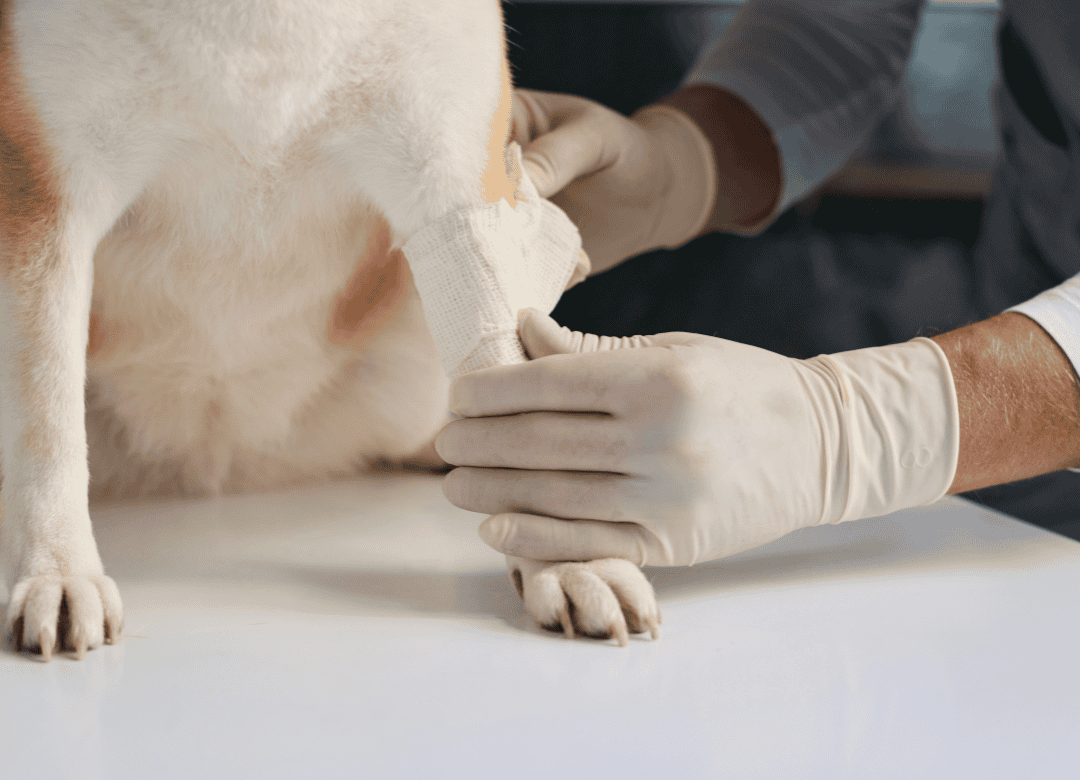
The skills and education of a licensed vet tech will allow a vet tech to perform the following tasks at your veterinary clinic:
- Giving vaccines
- First aid
- Administer a catheter
- Draw blood
- Recording your furry family member’s medical history
- Prepare animals for surgery and procedures
However, a licensed vet tech may only administer or manage anesthesia under your vet’s supervision.
Can a VTIT work on my fur kid?
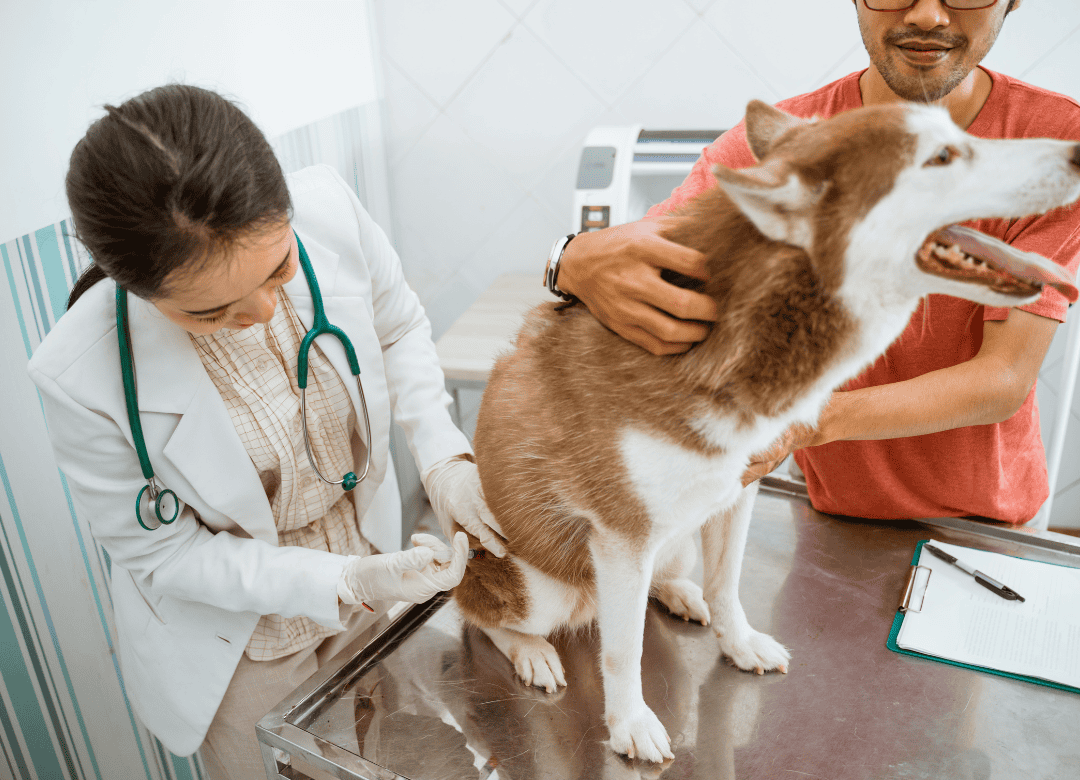
The short answer is yes. You will need to check with your state to verify what a VTIT is allowed to do and not with your buddy. For example, in my state, a VTIT is required to inform the pet parent that they are not licensed. Honestly, I’ve never had anyone say this to me at my vet clinic. At a minimum, it would give me pause or paws. However, depending on Henry’s issue, I could easily walk out the door.
Additionally, some states have given licensed vet techs a lot more power. For instance, Colorado recently enacted a bill that allows a vet to delegate to his/her staff more medical care. This was done in an effort to make the veterinary clinic more efficient and keep pet parent medical bills down.
Honestly, it might. However, there is one part of the bill, which stands out to me. This part states that a non-experienced person can provide “minor medical” care. What does this mean?
According to MSD Veterinary Manual, this can include:
- Aid for broken nails
- Care for issues such as twists, sprains, bumps, and bruises
- Removal and treatment of injuries from fish hooks
- Treatment for bug stings and bites
- Care for the removal and treatment of porcupine quills
- Aid for pets sprayed by skunks
- Treatment for swallowed items
Does it really matter if a veterinarian, licensed vet tech, or VTIN works on my pet?
You will have to decide for yourself what’s important. For me, I want to know that Henry isn’t a genuine pig, especially if he has a serious issue. For example, I really don’t want an inexperienced person to be working on him if he swallows a piece of glass or some other item. That seems a bit scary to me.
How do I know who’s working on my furry buddy at my veterinarian clinic?
Ask. When you call to make your appointment ask who will be providing your veterinary services. Of course, if your buddy, requires emergency veterinary care you won’t have this luxury.
However, pet parents have a right to know who will be doing what to their fur kid. After all, you pay the bills, it’s your right to know. If you can’t get a straight answer, call your state Veterinary Board for an explanation. If you’re still not comfortable, find a new vet. After all, as a pet parent, your buddy is staking his/her life on you making the right decisions.
What should I do if I have concerns about who is treating my pet?
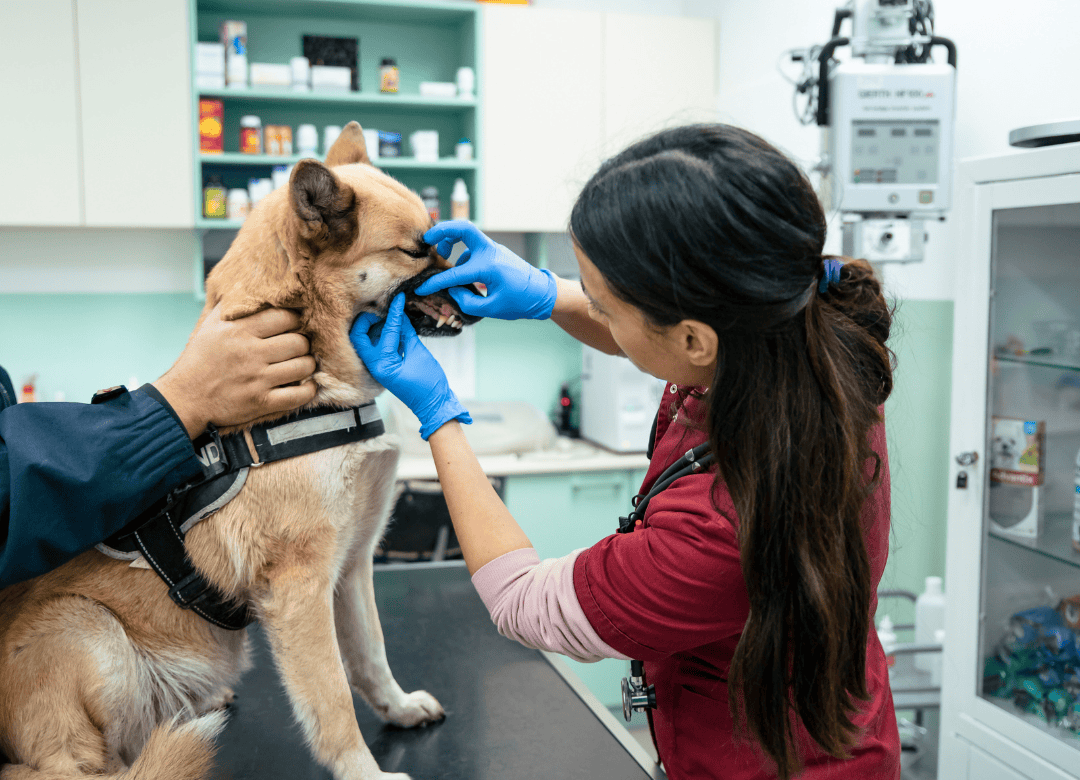
Ask that someone who’s licensed or your vet work on your buddy instead. If that request isn’t provided, then find a new vet clinic. Honestly, if my request wasn’t met, I’d take it as a red flag to find a new vet.
How can I tell if my buddy is getting quality care at my vet clinic?
Again, ask who’s caring for your fur baby and if they are licensed. If you don’t like the answer or if your heart is beating out of your chest then ask for your vet to care for your buddy.
Do vet techs and assistants receive ongoing training?
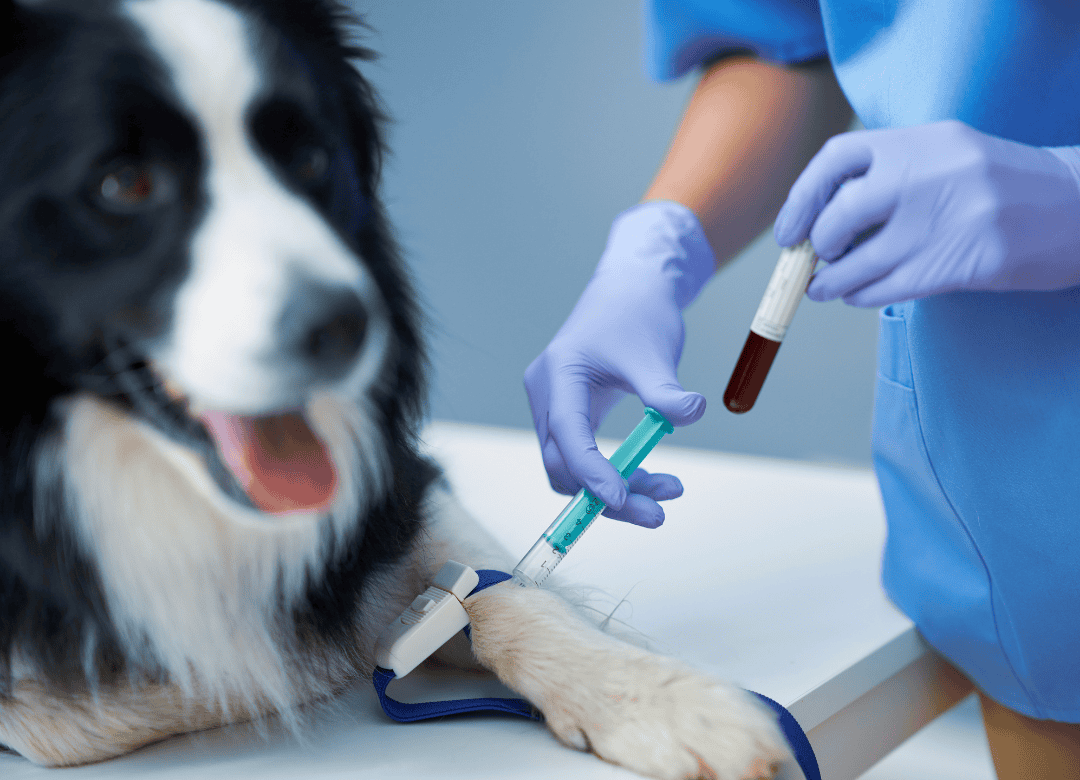
Yes. If they are licensed through your state’s Board of Veterinary Medicine, then they will be required to take continuing education classes. As mentioned earlier, your veterinarian is also required to meet your state’s continuing education requirements.
Are vet techs allowed to diagnose or prescribe medication?
No, vet techs cannot prescribe medication or diagnose your fur kid’s condition.
Do vet techs or assistants specialize in certain areas?
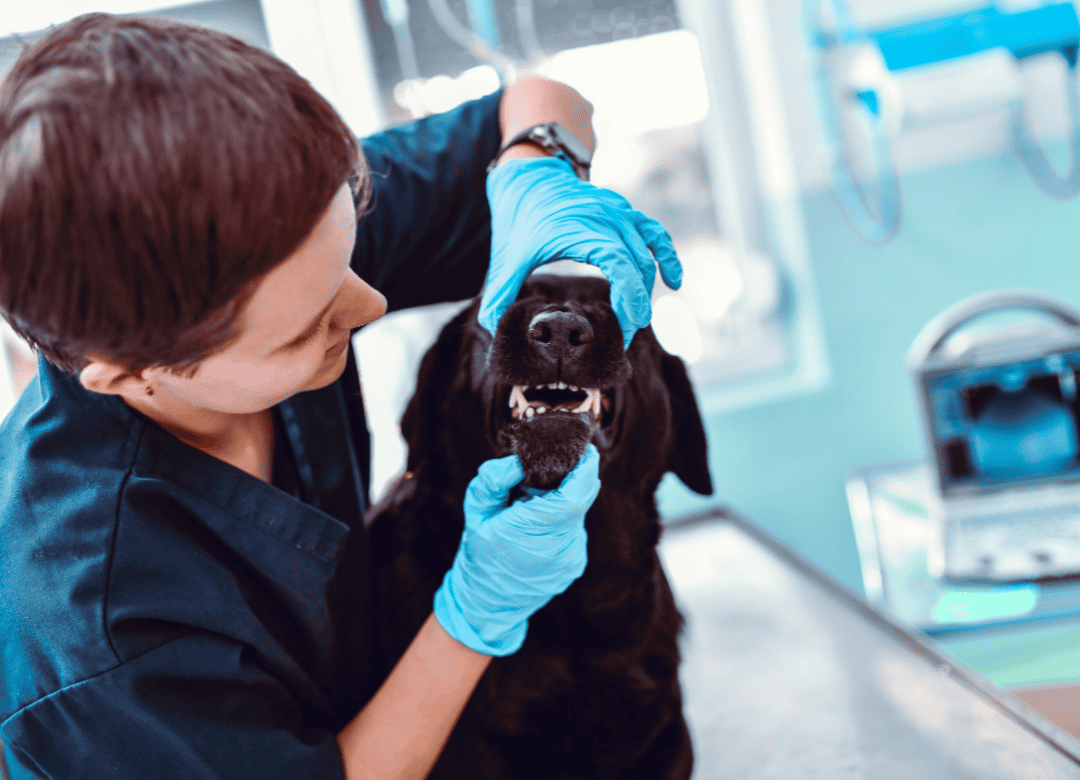
A vet tech or assistant can certainly specialize in different areas, including:
- Anesthesia
- Behavior
- Clinical
- Dental care
- Emergency care
- Equine care
- Internal medicine
- Nutrition
- Pathology
- Surgery
- Zoology
Are there any money savings for knowing who is working on my pet at my vet clinic?

While it may be a budget savings to have a VTIN change your fur kid’s bandage, there could be care issues where you simply wouldn’t want to take a chance. You might have a red line with your buddy’s care. Of course, every situation is different.
However, for me, no one is training on Henry if he’s swallowed something or is in pain. Although, I could easily move my line to never allowing anyone to work on him who isn’t licensed. Actually, that feels best to me. But you’ll need to decide for you and your buddy.
Thus, you could save a bit on your vet bill with a VTIN. But the costs might be your buddy is in more pain, develops another health issue, or there’s a fatal accident. Yes, accidents can happen with well-trained vets as well. But for me, I like minimizing risks.
Related articles:
- 10 Steps to Find the Best Vet
- Creative Ways To Cut Dog Expenses. Easy!
- Easy Dog Emergency Vet Visits Tips
- 15 Red Flags-Time For a New Vet!
- My Dog Loves Savings Accounts. Surprised?
- 6 Cool Ways Dog Parents Pay For Vet Bills
- 33 Signs Your Dog Needs a Vet
- A Vet Second Opinion Benefits for Your Dog And Wallet
Who the heck is that person at the vet’s office working on my buddy?
The purpose of this article isn’t to instill fear. But rather to instill knowledge. As the old NBC saying used to go “Knowledge is Power!” So, ask who’s doing what with your fur kid and how many times they have done the procedure.
Above all, trust your instincts. If your heart does a flip when you’re told a VTIN will be expressing your dog’s glands then ask for a licensed tech or ask for your vet to do it.
Again, your buddy is depending on you to make the right decision. I know from here on out, I’m asking everyone what their credentials are before they handle Henry at my vet clinic. I’d rather be safe than sorry where my very best furry friend is concerned.