
You likely feel helpless watching your dog constantly lick their paws and scratch their skin. My dog Henry taught me that the most expensive “miracle” pills are not always the safest answer.
Most owners accidentally trap themselves in a cycle of costly refills that only mask the symptoms. I spent years searching for a better way after Henry had a scary reaction to a common clinical treatment. These simple biological resets target the root of the irritation using items you probably already own.
This article reveals 15 professional-grade natural alternatives that actually soothe inflammation. You will learn the exact cost-to-benefit ratio for every remedy on the list. I will show you how to rebuild your dog’s immune system without breaking your monthly budget.
NOTE: Before you try any remedy, even a natural allergy treatment, always check with your vet for medical advice and to ensure it will be in alignment with your dog’s health.
As an Amazon Associate, I earn from qualifying purchases. I may get commissions for purchases made through this link. Learn more here.
Budget tip:

While some allergy prescriptions aren’t expensive, they can have dire side effects. Thus, alleviating your dog’s allergies naturally might just be what your vet, dog, and even wallet order. It can be a win-win for your furry buddy’s health and your wallet, which means you can save more to pet savings or emergency pet fund.
Best Natural Remedies for Dog Allergies (Quick Answer)
- Oatmeal – soothes itchy skin fast
- Fish oil (Omega-3s) – reduces inflammation
- Coconut oil – supports skin + coat health
- Quercetin – natural antihistamine
- Turmeric – helps calm allergic reactions
How to Choose the Right Natural Remedy for Your Dog
- Itchy skin → oatmeal, coconut oil
- Paw licking → quercetin, omega-3s
- Food allergies → goat’s milk, bone broth
- Inflammation → turmeric, fish oil
- Seasonal allergies → quercetin, vitamin C
Signs Your Dog Has Allergies (What to Watch For)

Allergies can appear differently with different dogs. Some allergies are seasonal. As mentioned, other allergies are environmental or food-related. Whichever the source of the irritant, the symptoms can be telling. These allergy symptoms include:
- Itchy skin
- Sneezing
- Fatigue/Lethargic
- Licking
- Diarrhea
- Vomiting
- Seizures
- Hives
- Red skin or a skin rash
- Dry skin
- Labored breathing
- Face rubbing
- Hair loss
- Hot spots
- Skin irritation
- Sensitive skin
If your dog has any of these symptoms, please consult your vet. Even if you’re away from home, you can still ask an online vet for assistance and guidance.
Note: Have you been thinking a home allergy dog test will answer all your questions? Think again and learn from my mistakes. My vet opened my eyes to home allergy tests. I shared all the details in this article.
Conventional Dog Allergy Treatments (And Their Costs)

Your vet may or may not prescribe allergy medication for your dog, depending on how severe the symptoms are. In many cases, prescription medications are recommended for moderate to severe allergies, while milder cases may be managed with over-the-counter options like Benadryl.
The good news is that you can get prescription allergy medication much cheaper than you expect online. This article explains how to find affordable pet medications online.
I used Benadryl for my dog, Henry, for years without any issues, until one day, he had a severe reaction that almost took his life. After that experience, I wasn’t willing to risk trying other medications and started looking into natural alternatives instead.
If you’re considering this route, it’s important to understand both the risks and costs. I share exactly what happened and what I learned in my breakdown of Benadryl for dogs and its potential risks and costs.
Even when prescription medications are used, they’re often only needed during peak allergy seasons, typically around 4–5 months of the year. Costs can vary widely, from around $20 for basic prescription medications to several thousand dollars annually for allergy shots.
Keep in mind that even over-the-counter medications must be given at the correct dosage for your dog’s size. For example, Henry (just over 13 pounds) was given 12.5 mg of Benadryl, which is half of a standard 25 mg tablet, once daily as needed.
Are Natural Remedies Safe for Dog Allergies?

Yes. They can be very safe and a great alternative.
But what you choose for your dog is something you will want to discuss with your vet. A natural remedy might be a perfect option for your pup.
However, if your furry kid has underlying health issues, a natural allergy option might not be a great idea. This is something that your vet is best equipped to advise you.
Note: Even with a natural treatment, your dog’s immune response could generate an allergic response to the treatment. Therefore, watch your furry buddy with any medication, even a natural one.
What to Look for in a Natural Dog Allergy Remedy

As with anything, the ingredients will tell you a lot. Also, if you go with a prepared supplement or treat, look for reviews of the product.
Moreover, look at both the good and bad reviews from customers. That information will help you. From that point, you can narrow down your search.
Much to Henry’s relief, there are even cookie forms of natural allergy remedies. You can even add a remedy to a favorite dog cookie recipe.
How Much Natural Allergy Remedy Should I Give My Dog?
This will depend on your dog’s symptoms, size, and underlying health issues. Thus, I strongly recommend you discuss any remedies with your vet before introducing them to your dog.
Additionally, most remedies will need to be introduced slowly to avoid an adverse reaction.
Now let’s break down each natural remedy so you can find the best fit for your dog.
15 Natural Remedies for Dog Allergies (Benefits, Costs, and Cautions)

There are a lot of options for dog allergies. Some have side effects that may give you pause, or is that paws?
Although, the additional benefits may have you overjoyed. Make a list of what seems appealing and talk with your vet. Here are the top 15 natural remedies that could work for your dog’s allergies.
But before you begin browsing the list, you should know that I’ve used $ to indicate if the remedy is inexpensive or pricey. One $ means it’s affordable. While more $ means it costs more.
Note: Many dogs experience symptoms associated with environmental allergens. This could include dust mites or even household chemicals. If you suspect there’s an environmental issue, try switching to more natural cleaning products, including for dishes and laundry.
1. Aloe Vera for Dog Allergies (Soothes Rashes and Irritation)

Yes, your dog can have aloe. It may even help with allergies as well as other issues. However, make sure what you give your dog is pure aloe without other ingredients.
Benefits:
- Allergies
- Constipation
- Joint and mobility
- Anti-inflammatory properties
- Energy
- Tartar control
- Aids with sunburns
- Helps with insect bites
- Reduces the effects of eczema and rashes
Possible side effects:
- Can cause diarrhea
- It could result in an allergic reaction and red irritated skin
Forms:
- Juice
- Gel
- Shampoo
- Cream
- Chews (dog treats)
- Spray
- Wipes
Price: $
When Henry has irritated skin, I like using aloe in an easy, mess-free way. I personally use dog wipes with aloe, which makes it simple to soothe problem spots without having to apply gel directly.
Note: You can open an aloe vera plant leaf and use that as well. However, make sure it’s free of pesticides. Again, talk with your veterinarian about proper dosage.
2. Bromelain for Dog Allergies (Helps Reduce Itching)

Also known as nettle, Bromelain can be a good allergy relief for some dogs. But there are some cautions if your dog has underlying health issues.
Benefits:
- Allergy relief, especially itching allergies
- Respiratory
- Immune system
- Digestion
- Reduces swelling and in turn pain
Possible side effects:
- Digestive problems
- Heart rate increased
- Face swelling
- Breathing issues
- Hives
Forms:
- Chews
- Pills
- Liquid
Price: $ – $$
Caution: If your pet has been diagnosed with a pork allergy, then avoid bromelain. Also, if your dog has any high blood pressure or bleeding problems, then stay away from bromelain products. Additionally, if your furry friend is taking any cancer or antibiotic medications, then you want to steer clear of bromelain.
3. Bone Broth for Dog Allergies (Supports Immune Health)

This option for allergies can be one your dog may think is tail wagging. It may also help with overall health.
Benefits:
- Allergy relief, especially food allergies
- Liver
- Immune system
- Joint health
- Digestion
- Inflammation
- Heart
- Hydration
Possible side effects:
- Too fast of an introduction can cause an upset stomach or diarrhea
Forms:
- Liquid
- Powder
Price: $$
Note: You can make your own dog-friendly bone broth at home. This is a great recipe by The Wildest.
4. Coconut Oil for Dog Allergies (Relieves Itchy Skin Naturally)
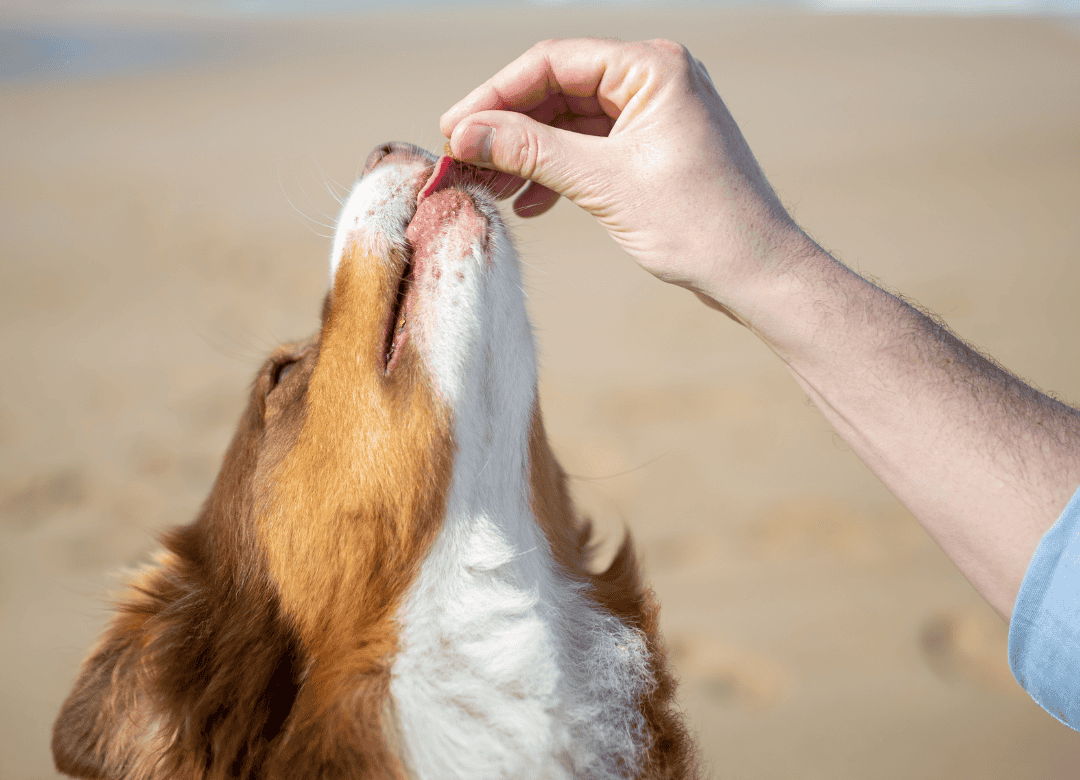
Your dog may love this option, but it does come with some warnings.
Want to see how coconut oil can improve your dog’s skin and save money long-term? Check out my full guide on coconut oil for dogs.
Benefits:
- Allergy relief, especially itchy allergies (shampoo is a great form)
- Digestion
- Dry skin, including skin inflammation
- Arthritic symptoms
- Hot spots
- Dry and cracked paws
- Cognitive functions
- Weight loss
- Energy
- Decreases odor
- Fights infections
Possible side effects:
- Diarrhea
- Upset stomach
- Fatigue
- Greasy stools
- Long-term use can lead to obesity
- May increase the chance of pancreatitis with long-term use
Forms:
- Chews
- Powder
- Oil
- Creme
- Shampoo
- Conditioner
- Spray
Price: $$ – $$$
5. Goat’s Milk for Dog Allergies (Supports Gut Health)

Yes, your dog can have goat’s milk and may love it too!
Benefits:
- Allergy relief, especially food allergies
- Digestion
- Inflammation
- Immune
- Bone and teeth health
- Hydration
- Skin and coat health
Possible side effects:
- Loose stools
- Constipation
- Gas
- Vomiting
Forms:
- Liquid
- Powder
Price: $ – $$
Note: Most of these side effects are with dogs who have sensitive stomachs.
6. Golden Jojoba Oil for Dog Skin Allergies (Gentle Topical Relief)
This natural remedy is applied topically. However, it is safe for dogs.
Benefits:
- Allergy relief, especially itchy allergies
- Skin and fur health
- Inflammation
- Antibacterial for wounds and scars
- Scar healing
- Soothe sunburns
- Hot spots
- Helps with bugs, ants, and fleas irritations
- Great for use in cleaning ears
Possible side effects:
- Drinking the oil or drinking in large quantities can cause
- Upset stomach
- Diarrhea
Forms:
- Liquid (oil)
- Shampoo
Price: $$
7. Honey for Dog Allergies (May Help Local Allergies)

The type of honey you choose will vary depending on the effect you’re striving to achieve. If you’re trying to reduce your dog’s seasonal allergies, then you’ll need to stick with local honey.
Thus, local honey will be produced with pollens that aggravate your dog. The theory is that local honey helps to desensitize your dog (or you) to these pollen effects.
However, if you want to reduce overall inflammation (or just about any other positive effect), then your best choice is Manuka honey.
Additionally, Manuka honey has a much higher antibacterial property. Manuka honey comes from honey and tends to be rather pricey. But it could certainly be worth it for you and your dog’s needs.
Benefits:
- Allergy relief, but seasonal allergies need to be treated with local honey
- Immune health
- Inflammation
- Aids with healing bug bites
- Digestive
- Hot spots and eczema
- Bone and teeth health
Possible side effects:
In rare cases, some dogs have an allergic reaction to honey, which can result in diarrhea. In such a case, contact your vet and discontinue using honey.
Forms:
- Chews
- Liquid (honey)
- Shampoo
- Conditioner
- Spray
Price: $$
8. Medicinal Mushrooms for Dog Allergies (Immune Support)

Medicinal mushrooms can be a great immune support option, but quality really matters. I personally use a mushroom supplement for Henry to help support his immune system daily, especially during allergy season.
Benefits:
- Allergy relief
- Immune system
- Slows the growth of cancer
- Anti-tumor properties
- Inflammation
- Boosts respiratory health
- Energy
- Arthritis
- Cognitive function
- Urinary health
- Kidney function
- Blood sugar
- Reduces the side effects of chemotherapy
Possible side effects:
- Diarrhea
- Rash
- Vomiting
- Loss of appetite
- Increased water drinking
- Weakness
- Seizure
However, the last four side effects listed are very rare. But in an effort to be fully transparent, I want to include them so you can make an informed decision with your vet.
Forms:
- Powder
- Liquid
- Pills
- Chews
Price: $$$
Caution: If your dog has an autoimmune issue, it could be worse with the use of medical mushrooms.
Additionally, if your dog is taking any anti-inflammatories, anticoagulants, or blood pressure medication, then Reishi and Lion’s Mane will not be good options.
Also, avoid medical mushrooms as an alternative if your furry buddy has copper toxicosis.
9. Probiotics for Dogs With Allergies

While probiotics aren’t usually thought of as a “natural remedy” like oatmeal or coconut oil, they can play a big role in supporting your dog’s gut health, which is closely linked to allergies.
Benefits:
- Balances digestive issues
- Reduces inflammation
- Aids in healing infections
- Boosts the immune system
Forms:
- Powder
- Treat (dog cookie-like)
- Pills
- Paste
Price: $
I’ve tried a few probiotic options, and these are the probiotics Henry actually enjoys (which, if you’ve ever tried giving supplements, you know is half the battle).
10. Oatmeal for Dog Allergies (Soothes Itchy Skin Fast)
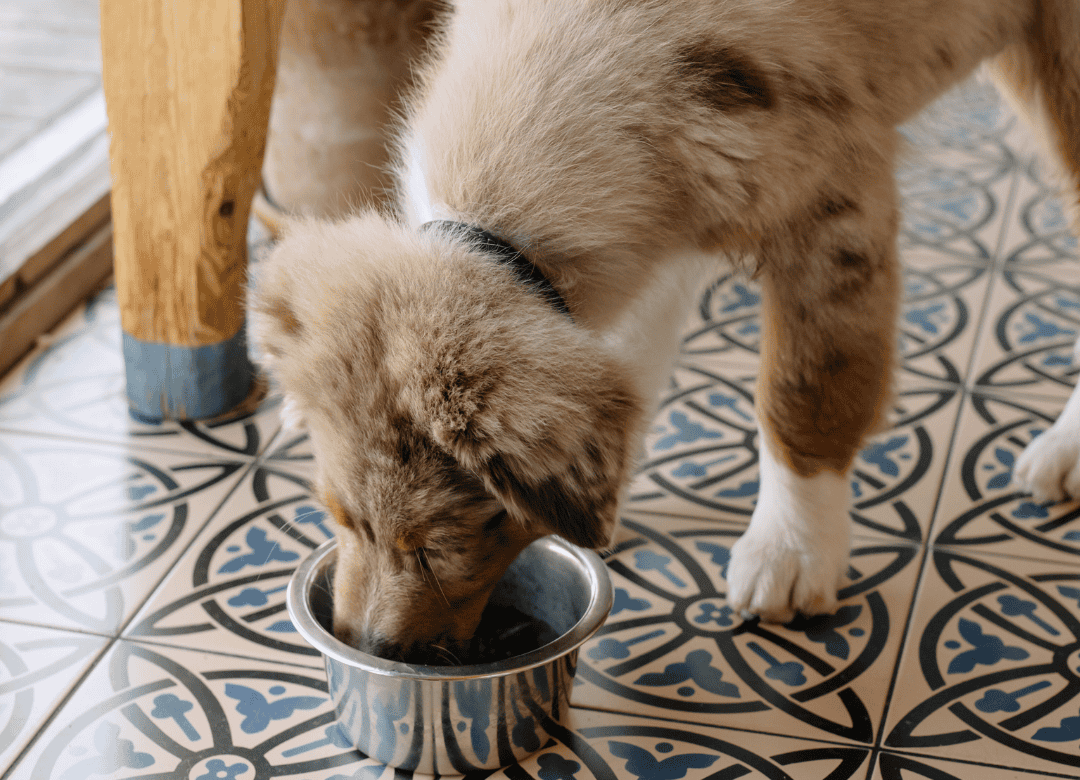
I bet you think oatmeal is terrific for dogs, and you may even have a favorite dog treat that calls for oatmeal. But I bet you don’t know all the benefits oatmeal can do for your dog, including helping with allergies.
I break down exactly how oatmeal helps itchy dogs (and the cheapest ways to use it) in this oatmeal for dogs guide.
Benefits:
- Allergy relief, especially itchy allergies
- Digestion
- Weight
- Heart health
- Skin and fur
- Cholesterol levels
- Balances out diarrhea issues
Possible side effects:
- Upset stomach
- Bloating
- Gas
Note: As long as not too much is given to your dog, it’s purely oats (no milk, sugar, or other additives) then the side effects are very minimal.
Forms:
- Raw
- Flour
- Chews (treats)
- Food
- Shampoo
- Conditioner
- Spray
Price: $ – $$$
Note: An oatmeal bath can soothe itching, allergic skin. I generally bathe my dog with an oatmeal-based shampoo.
11. Fish Oil (Omega-3s) for Dog Allergies (Reduces Inflammation)

My dog loves fish oil. You might even be taking a fish oil supplement. The benefits you receive are the same for your dog.
If you’re considering adding omega-3s, here’s how fish oil can reduce allergy symptoms and cut long-term vet costs.
Benefits:
- Allergy relief
- Cognitive function
- Joint and bone function
- Skin and fur
- Heart health
- Fights cancer cells
- Kidney health
- Liver
- Digestion
- Inflammation
Possible side effects:
- Diarrhea
- Vomiting
- Fatigue
- Fishy breath
- Oily skin and fur
- Longer for wounds to heal
- Increased itchiness
- Pancreatitis
- Can cause weight gain
- May interfere with blood clotting abilities
Forms:
- Liquid
- Pills
- Chews
Price: $$
12. Quercetin for Dog Allergies (Natural Antihistamine)

This is a natural antihistamine that has been around for a long time. It’s often referred to as “Nature’s Benadryl”.
Benefits:
- Allergy relief
- Inflammation
- Heart
- Cognitive functions
- Fights cancer cells
Possible side effects:
- Nauseous
- Loss of appetite
- Headache
- Kidney damage
Note: If you give Quercetin to your dog on an empty stomach, you may notice your pup is nauseous or has a decreased appetite. Also, your dog could experience a headache with this natural alternative.
Forms:
- Liquid
- Chews
- Pills
Price: $
Caution: If your dog has kidney disease, then you will want to avoid Quercetin.
13. Turmeric for Dog Allergies (Helps Reduce Inflammation)

Have you heard of turmeric’s medicinal properties? Yes, it’s more than just a spice. Your dog may like this in a homemade turmeric doggie cookie.
Not sure if it’s worth it? Here’s a full breakdown of turmeric for dogs and whether it actually saves money.
Benefits:
- Allergy relief
- Joint and bone health
- Eye function
- Inflammation
- Digestion
- Fights cancer cells
Possible side effects:
- Upset stomach
- Dizziness
- Blood clotting issues
- Liver damage
- Iron deficiency
- Hormonal issues
Forms:
- Liquid
- Powder
- Pills
- Chews
Price: $$
14. Vitamin C for Dog Allergies (Supports Immune Response)

This is a popular allergy alternative for dogs. It is a natural antihistamine and can aid in the overall well-being of your dog.
Benefits:
- Allergy relief
- Immune support
- Bone and joint health
- Skin and fur
- Fights infections
- Inflammation
Possible side effects:
- Diarrhea
- Nausea
Forms:
- Liquid
- Pills
- Chews
Price: $$
15. Yucca (Schidigera) for Dog Allergies (May Reduce Symptoms)

If you live in the desert, then you’ve undoubtedly seen this pointed plant growing with its tall spikey white flowers. While the flowers don’t last long, the benefits of this plant may be a winner for your dog.
Benefits:
- Allergy relief
- Immune system
- Minimizes the smell of stool
- Joint and bone health
- Decreases pain
Possible side effects:
- Bloating
- Digestive issues
Forms:
- Liquid
- Powder
- Pills
- Chews
Price: $$$
Can You Combine Natural Remedies for Dog Allergies?

If you select a supplement, then you might find that it comes with multiple natural remedies combined into the product.
Since some options like bone broth have overall well-being properties, you might be able to add it safely to a Bromelain or Quercetin.
Also, if you are using an oatmeal shampoo and bone broth, that should work fine since one is topical and one is for internal use. But again, talk with your vet to confirm.
How Natural Remedies for Dog Allergies Can Save You Money
Some OTC remedies are relatively cheap. But the side effects, or the side effects for your dog might be too high to use.
Thus, giving your dog allergy relief with a natural remedy allows your dog to have a better quality of life.
Also, you don’t need to worry about your fur kid’s itching, sneezing, or other symptoms. For illustration, consider the following expenses for a moment.
| More vet visits to check on medication | $50 – 250 |
| Possible medication reaction | $70 – 250 |
| Costs of allergy prescriptions | $20 – 4,000 |
| Healthy dog with a better quality of life | BEYOND WORDS!!! |
That’s a lot of savings you can apply toward pet insurance, a pet savings account, or a furry friend emergency fund.
Related articles:
- Can Benadryl For Dogs Cost Too Much?
- Cheap Natural Remedies For Dog Dry Skin
- Is A Dog Home Allergy Test Worth The Money?
- Budget-Friendly Benefits of Coconut for Dogs
- Oatmeal for Dogs: Great Affordable Benefits!
- How Can Fish Oil Cut Dog Costs?
- Is Turmeric For Dogs A Waste Of Money?
FAQs About Natural Remedies for Dog Allergies
What is the best natural remedy for dog allergies?
There isn’t a one-size-fits-all solution, but some of the most effective natural remedies for dog allergies include oatmeal for itchy skin, fish oil (omega-3s) for inflammation, and quercetin as a natural antihistamine. The best option depends on your dog’s specific symptoms.
How can I treat my dog’s allergies at home naturally?
You can treat dog allergies at home using simple, natural remedies like oatmeal baths, coconut oil, and omega-3 supplements. These options can help soothe itching, support skin health, and reduce inflammation without relying solely on medications.
Are natural remedies for dog allergies safe for all dogs?
Most natural remedies are safe when used correctly, but not every option is right for every dog. Factors like existing health conditions, allergies, and proper dosage all matter, so it’s always best to start slowly and check with your vet if you’re unsure.
When should I take my dog to the vet for allergies?
If your dog’s symptoms are severe, persistent, or getting worse, such as constant scratching, hair loss, open sores, or infections, it’s time to see your vet. Natural remedies can help mild to moderate cases, but some dogs need medical treatment.
Final Thoughts on Natural Remedies for Dog Allergies
If your furry buddy suffers from allergies and you cringe at giving him an OTC or prescription, there are other options.
While the severity of the symptoms and your dog’s overall health issues will direct you to the right option, you aren’t pigeon-holed, or is that pawed into one solution? A natural solution can be a health benefit and a wallet saver.
As for my dog, Henry, I’ve been using a few remedies for him, including fish oil, oatmeal shampoo, mushroom vitamins, and a supplement that includes Bromelain and Quercetin.
I admit, Henry does really well on these natural remedies as long as he doesn’t stick his head in sagebrush or roll enthusiastically on the grass where there are tons of allergens. Sometimes he sneaks in his goofy behavior even when I’m beside him. But that’s the ups and downs of being a dog parent.
Want to save even more on dog care?
My 5-Day Dog Budget Bootcamp shows you simple ways to cut costs without sacrificing your dog’s health.