


Last updated on May 22nd, 2026 at 06:05 pm
Dogs can start overheating at temperatures as low as 89°F, and by the time you notice, it can already be serious.
That’s why tools like dog cooling vests are getting so much attention. But do they actually work, or are they just another cute pet trend?
I’ll be honest, I used to side-eye them too. But after trying one with Henry, I was surprised by how much of a difference it made.
In this guide, I’ll break down exactly how dog cooling vests work, when they’re worth it, and how to choose one that actually helps (without wasting money).
📌 PIN FOR LATER!

As an Amazon Associate, I earn from qualifying purchases. I may get commissions for purchases made through this link. Learn more here.
Budget tip:

Keeping your dog cool in hot weather is critical. While a cooling vest, collar, bed, or pad, might be a cost you didn't expect, it can prevent a pricey vet bill or a fatal incident. That's worth it for me. It's a major win-win for my dog, Henry and my wallet (not to mention my peace of mind).
If you’d rather skip the research, here’s what I personally use and recommend.
My Favorite Dog Cooling Gadgets (That Actually Work)
If your dog struggles in the heat, these are the cooling tools I keep coming back to every year. They’re simple, effective, and don’t break the bank.
Cooling Vest (My top pick):
Great coverage and the most effective overall for walks, hikes, and outdoor time. This is what I use for Henry when I want real cooling for him and not just a quick fix.
Cooling Collar:
An easy option if your dog doesn’t love wearing a full vest. Best for short outings, but can feel bulky on smaller dogs.
Cooling Bandana:
Lightweight and budget-friendly. Works for most dogs, but doesn’t provide as much cooling as a vest.
Cooling Pad:
Perfect for home use. Great for older dogs or pups that overheat while resting. Easy to clean and works for any size dog.
What Are Dog Cooling Vests and How Do They Work?
The theory behind cooling vests for dogs is evaporative cooling. Basically, you wet the vest, then as your dog’s body temperature rises, as the outside weather temperature increases, the water helps to cool your dog. Yep, simple evaporation at work.
Do Dog Cooling Vests Actually Work?
There isn’t a huge amount of formal research on dog cooling vests yet, but what does exist is promising.
A 2012 study from the University of Florida found that cooling vests with rechargeable cooling packs helped keep dogs’ body temperatures at safer, more comfortable levels.
Beyond that, a lot of what we know comes from real-life use. Many dog owners report noticeable improvements, especially during walks, hikes, or time spent outdoors in the heat.
In my experience with Henry, the difference was pretty clear. He stayed more comfortable, took fewer breaks, and didn’t seem as affected by the heat.
So while cooling vests aren’t magic, they can absolutely help reduce heat stress when used correctly.
What Is the Purpose of a Cooling Vest for Dogs?
The main goal of a dog cooling vest is simple: to help regulate your dog’s body temperature and reduce the risk of overheating.
Dogs can begin to struggle in temperatures as low as 89°F, and heat exhaustion or heat stroke can happen faster than many people expect. A cooling vest gives you an extra layer of protection—especially during walks, outdoor play, or travel.
Most cooling vests work through evaporation, slowly releasing moisture to create a cooling effect on your dog’s body.
Do Cooling Vests Work in Humidity?
Cooling vests rely on evaporative cooling, so humidity can reduce how well they work. When the air is already full of moisture, evaporation slows down, meaning less cooling for your dog.
But, cooling vests don’t become completely useless in humidity. They can still provide some relief, especially when first applied. Although you may need to re-wet them more often to keep the cooling effect going.
If you’ve ever been in a humid climate where you step out of the shower and never quite feel dry, it’s a similar idea. The moisture just doesn’t evaporate as quickly.
On very humid days, I rely more on shade, shorter walks, and extra water breaks along with Henry’s vest.
Which Dogs Benefit Most From Cooling Vests?
Surprisingly, there’s no restriction on the type of dog a cooling vest may help.
In theory, a dog cooling vest can help a puppy, a senior dog, or a disabled pup. As long as you use the cooling jacket appropriately and it’s fitted properly, it can provide your dog with relief from hot weather or overheating from a health issue. It may be a helpful tool in preventing heat stroke or heat exhaustion.
NOTE: If your dog experiences anxiety and begins panting, you might find that a cooling vest will help. I started using a cooling vest when Henry had an extreme anxiety attack (along with a heartbeat toy, calming treat, and covered crate), and it was a great addition. He calms down much quicker with the vest.
How Cooling Vests Help Real Dogs (Like Henry)

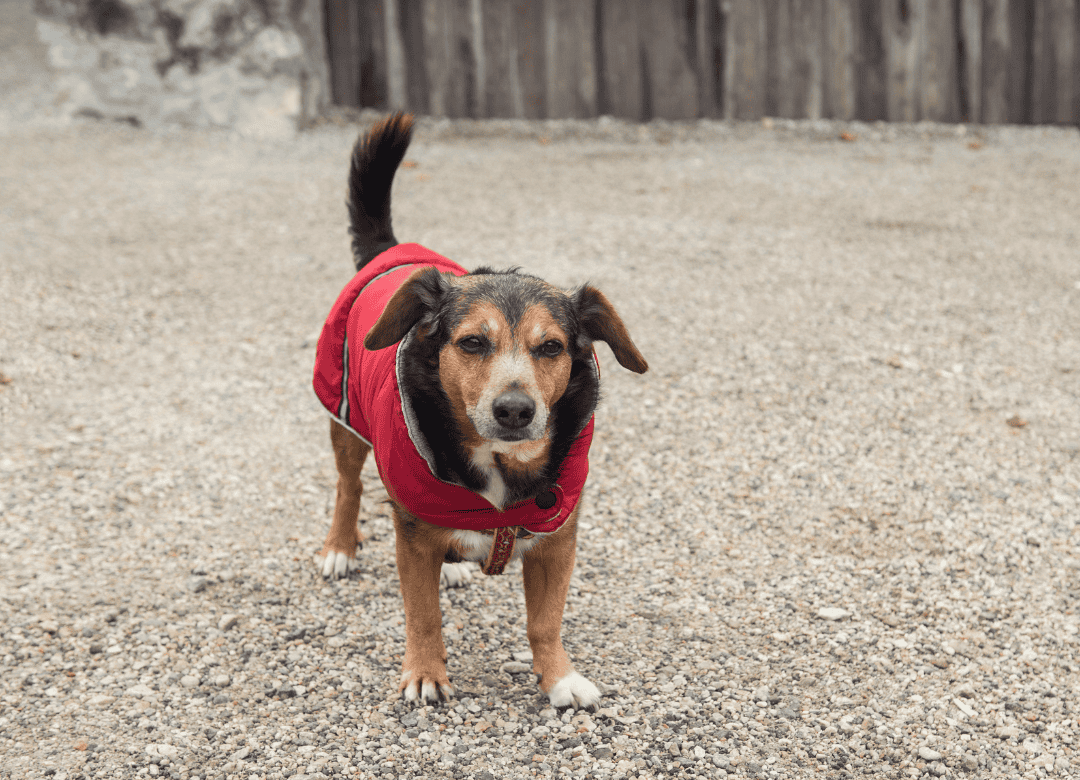
Since I adopted my dog, Henry, he has had a cooling vest. Let me note that Henry is a dark-colored dog. I’ve had a few dark-colored pets in my life, and I know they always had a more difficult time in the heat. With this knowledge, I wanted to help Henry as much as possible before the summer heat hit. I’m very grateful to say that I have noticed a difference when Henry is wearing his vest in hot weather.
This includes:
- More energy
- Able to go longer distances walking or slowly hiking
- Less panting in heat (compared to not wearing a cooling vest)
- Body temperature feels cooler to me (although I haven’t taken his temperature)
How to Choose the Best Dog Cooling Vest

If you just want a quick recommendation, I’ll share what I use for Henry below, but here’s what actually matters when choosing one.
Not all dog cooling vests work the same, so choosing the right one can make a big difference in how well it actually keeps your dog comfortable.
Here’s what to look for:
Fabric Type
Cotton:
A great option because it’s breathable, holds a lot of water, and stays comfortable against your dog’s skin. It also won’t cause issues if your dog happens to chew on it.
Nylon (or layered fabrics):
Often used as an outer layer to help slow evaporation while keeping the inside cool and comfortable.
Reflective trim:
A helpful bonus if you walk your dog early in the morning or at night.
This is very similar to the cooling vest I use for Henry, and it’s held up really well for him.
NOTE: One of the first cooling jackets for Henry I bought was made out of shammy material. Yep, like what you would dry your car with after washing. Thankfully, I didn’t pay very much for it. The problem with it was that it dried quickly. And once dried it was hard like a shield on Henry. Not exactly what I was looking for in a cooling vest.
Fit and Coverage
Proper fit:
You’ll need to measure your dog’s girth and follow the brand’s sizing chart. Each company sizes a bit differently, so don’t guess here.
Coverage:
Look for a vest that covers the chest and core area where your dog’s vital organs are. Some vests offer more coverage than others, which can help with overall cooling.
I’ve personally found that fuller coverage keeps Henry more comfortable, especially on longer walks.
Cooling Ability
A good cooling vest should stay cool for a reasonable amount of time without constant re-soaking.
Henry’s usually lasts through a walk or hike, but I’ll bring extra water if we’re out longer so I can re-wet it quickly.
You may also see rechargeable cooling vests, which use inserts instead of water. These can work well but are typically more expensive.
Comfort and Flexibility
Avoid stiff materials that dry out and become rigid.
I once tried a shammy-style vest (like a car drying cloth), and it dried quickly and turned stiff—definitely not comfortable for Henry.
Easy Cleaning
Cooling vests get dirty fast, so look for something that’s easy to clean.
Most are hand-wash, which is usually enough. A quick rinse with mild soap (or even a little vinegar for odors) keeps it fresh and ready to use again.
How to Use a Dog Cooling Vest Safely
To use a cooling vest effectively, soak it in cool or cold water, but never ice water.
It might seem like colder is better, but extremely cold temperatures can actually cause discomfort or even stress, especially if your dog is already overheating or exercising.
The goal is steady, gentle cooling, not shocking your dog’s system.
- Fully wet the vest in a basin or sink of cool water.
- Let the vest soak in the basin for a few minutes.
- Rub the vest, which will help activate the cooling aspect once it’s been soaked
- Squeeze out the excess water (pat dry if needed)
- Put the vest on your dog
Tip: I like to put Henry’s vest on beginning with the neck and then the chest. It seems to work best in this method.
Is your dog stinky? Here are some great tips for taking the stink out but keeping the adorable.
What If a Cooling Vest Doesn’t Fit My Dog?
This can happen for large-necked, short-bodied, or extremely small dogs. If you have a Pug, French Bulldog, or Shih Tzu, it can be more difficult to size your pup for a cooling vest. But don’t worry. You can still protect your dog with other cooling products, such as:
- Cooling pet pad – generally made of gel, and no water is needed
- Dog collar with cooling abilities – these are often gel-based and need to be refrigerated. Also, they can be rather wide, which could be uncomfortable if your pup doesn’t have a long neck like a Greyhound
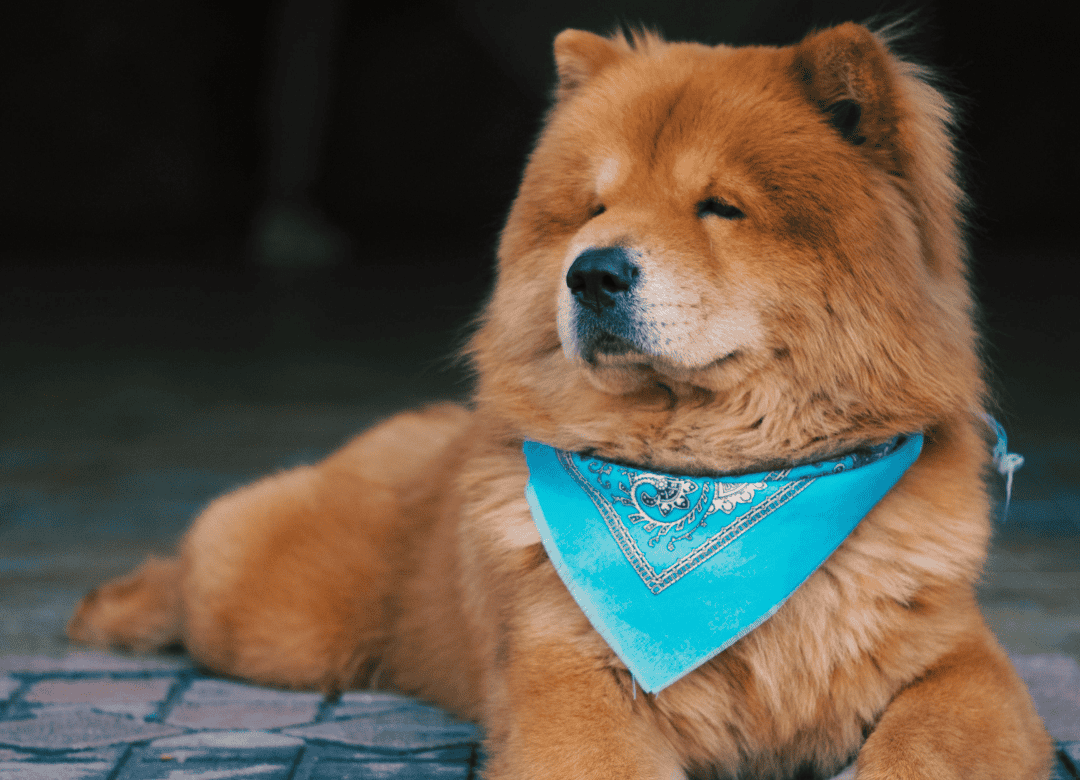
- Dog scarf/bandana with evaporative cooling – which can be a great option and works for any type of dog)
- DIY dog cooling vest – a great way to test to see if a cooling vest would help your dog
I like the cooling vest option the best. It provides the most coverage and flexibility for Henry.
TIP: However, a bit of warning. If you decide on a DIY evaporative cooling product, remember not to use an ice pack or make it too cold. While we may love to sit in front of a swamp cooler after a workout, at least for now, it seems like extreme cold temperatures (especially when exercising) our dogs on a hot day is not wise. It may have the opposite effect in trying to cool our dogs and avoid heat related issues.
Extra Tips to Keep Your Dog Cool
Ice water
As I’ve mentioned a few times, but it bears mentioning again, never use ice or ice water. It can cause heat stroke, heat exhaustion, or other heat-related illnesses.
Refrigeration
These cooling vests for dogs do not need to be refrigerated. However, they can be cooled for a few minutes if you desire on a very hot day.
A cooling tool
Keep in mind a dog cooling jacket is a great tool in helping to keep your dog cool and prevent heat stroke or heat exhaustion. However, they are NOT MEANT TO BE THE ONLY TOOL. You still need to provide water and a cool place for your dog to rest. Additionally, do not exercise your dog during the heat of the day, even with an evaporative cooling garment.
Hot car
Again, even if your dog is wearing a cooling vest, NEVER EVER leave your dog in a hot car. Not even for a few minutes. Additionally, don’t leave the cooling vest in a hot car, as it will quickly lose its effectiveness.
Are Dog Cooling Vests Worth It?

Short answer: If your dog struggles in the heat, a cooling vest is one of the easiest ways to help.
For many dogs, yes, especially in hot climates or during summer activities. But whether your dog needs one depends on a few key factors:
- Coat type: Dogs with thicker or heavier coats tend to retain more heat and may benefit more from cooling tools.
- Environment: Hot, dry, or consistently warm climates make cooling vests more useful than cooler regions.
- Health: Dogs with breathing issues, heart conditions, or heat sensitivity may need extra help staying cool.
- Age: Puppies and senior dogs can struggle more with temperature regulation.
- Fur color: Darker coats absorb more heat, which can make dogs warm up faster.
- Activity level: If you walk, hike, or spend time outdoors, a cooling vest can help your dog stay comfortable longer.
For me, the decision was easy. Between Henry’s darker coat and our hot summers, I wanted every simple tool available to help keep him comfortable. A cooling vest made a noticeable difference.
But a cooling vest isn’t a replacement for common-sense heat safety. Things like walking early or late, providing plenty of water, and avoiding extreme temperatures matter just as much, if not more.
How a Cooling Vest Can Save You Money
You may not have considered the savings of a simple cooling vest (or other cooling gadget) for your dog, but it can be tremendous. Consider the following for a moment.
| Issue | Estimated Cost |
| Cooling vest | $41 – 53 (free if DIY) |
| Heat exhaustion | $250 – 1,500+ |
| Heat stroke | $500 – 15,000 |
| Cool and healthy pup | PRICELESS!!! |
Vet bills, surprise expenses, and “just one more thing” for your dog can add up fast.
If you want simple, realistic ways to cut costs without cutting care, my ebook Stop The Dog Money Worry walks you through exactly how to do it.
It’s packed with practical tips that help you save money while still giving your dog a happy, healthy life.
Take a peek at Stop The Dog Money Worry here.
Related additional information:
- Surprising Ways To Calm A Dog With Severe Anxiety
- Pawsome Ways to Cool Down Your Dog This Sizzling Summer
- Summertime Dog Activities On A Budget
- Money-Saver! Best Dog Accessory Cleaning Tips!
FAQs About Dog Cooling Vests
Do dog cooling vests prevent heat stroke?
Dog cooling vests can help reduce the risk of heat exhaustion and heat stroke by keeping your dog’s body temperature lower. But, they are not a guarantee. You should still monitor your dog, provide water, and avoid extreme heat whenever possible.
How long do cooling vests stay cool?
It depends on the material, humidity, and activity level. In cooler or indoor environments, a vest may stay cool for several hours, while in hot or dry conditions it may need to be re-wet every few hours.
When I’m out with Henry, I usually bring extra water so I can quickly re-cool his vest if needed.
Can dogs wear cooling vests all day?
Dogs can wear cooling vests for extended periods as long as the vest stays damp and comfortable. You’ll want to check it regularly to make sure it hasn’t dried out or become stiff, and remove it if your dog seems uncomfortable. Also, make sure to remove so that skin issues don’t develop while you’re trying to keep your pup cool.
Are cooling vests safe for puppies?
Yes, cooling vests are generally safe for puppies when they fit properly and are used correctly. Make sure the vest isn’t too tight, doesn’t restrict movement, and is made from safe, breathable materials.
Do cooling vests work indoors?
Yes, cooling vests can help indoors, especially if your home gets warm or your dog tends to overheat easily. While air conditioning is ideal, a cooling vest can add an extra layer of comfort during hotter days.
Should You Get a Dog Cooling Vest This Summer?
Keeping your dog cool in hot weather is critical. For Henry, a cooling vest does seem to help.
However, the scientific evidence is a bit lacking. But the anecdotal evidence, for me, supports a cooling vest for Henry. I’ve seen it work for him. That’s not to say it will work for every dog.
I’ve noticed that the effectiveness of cooling vests rests in the preparation and application. I have to admit, I have rushed the process a few times, and the vest didn’t work so well for Henry. But it’s worked like a charm when I’ve done it properly.
Although these vests can be pricey, there are workarounds. If you are good with sewing, you can make a DIY cooling vest. It is a great way to test if it will help your dog with the heat. Honestly, the way I’ve seen Henry handle hot weather with his cooling vest makes me wish I had one.
📌 PIN FOR LATER!



Layla has a cooling vest, it is fantastic and on hot days she wears it with her harness over it. I swear by them as I have seen how it works on her. The company I got if from has disappeared as I wanted to get her a new one. It is flexible, loose so she can walk and roll in it.
Oh yes, I put Henry’s harness on the outside as well. That’s a great way to make sure Layla is cool, but still safe with her harness.
You might want to try a local pet store for sizing at the very least. If you find one you like, then you can either go ahead and get it or see if you can find the same one online for less. There are also several online pet stores, that will let you return or donate an item if it doesn’t work for your pet, such as Chewy. That’s also an option if you can’t find anything local. I’ve done both with success.
I hope these extra tips help you find a new cooling vest for Ms. Layla.
I thought about getting a cooling vest for my Alaskan klee kai, Fenrir. His fur is basically the same as a husky, so as you can imagine, he gets hot quickly. We generally live in a cooler climate, but we do still get some hot summer days. I think the only thing that’s kept me from trying one, so far, is that I don’t like the heat either! So I generally don’t spend a lot of time outdoors (thus neither do my dogs) when it’s especially hot. I’m thinking I’ll still try a cooling vest for Fenrir at some point. Do they make them for people too? lol!
I hear you on not liking the heat. As I get wiser (not older, but wiser), I don’t like the heat as much either.
Even short stints outside will do Henry in when during the dead of summer. So, I’ve found that it’s worth it for him to put on his cooling vest even if it’s only for a quick potty break. However, he has more stamina and will want to stay outside longer while I melt.
Michelle, yes they do make many human cooling products. I was amazed! If you look at a sporting goods store you can find cooling shirts, bandanas, vests, hats, scarf, and it’s almost endless the creativity. You can find even more online if you look for them on construction clothing sites. I had no idea. But now I’ll pass a construction site and easily spot these items. I actually bought a bandana scarf a few years ago. It works great! I can put it on my neck or neck and head. It stays cool for hours and keeps me cool as well.
I hope these tips help keep you and Fenrir cooler this summer.
I’m glad you found cooling vests beneficial for your dog Henry. As you mentioned, everyone is different so taking a trial and error approach may work best. See what works. I never understood how the cooling vests work however after reading how they do, it makes sense that it may not be the best tool in humid areas. I hate feeling wet and sticky too, so I can only imagine how dogs would feel. Thanks for sharing these tips and helpful guide.
Wet and sticky for months on end is not my favorite. I think there’s a season called “wet and sticky” in parts of this country. I don’t plan to move to those locations.
I’m glad I could explain how cooling vests and products work.
I hope you stay cool this summer.
Ah, cooling vests–we did try some of them. I would agree that they do work to various degrees. Our experience, however, is that
– one got too heavy with water to work
– it still kept the dog damp underneath
– the other didn’t hold enough water and dried out and stopped working quickly
Judging by those I tried, it’s a great idea but needs work.
You’re right, it’s definitely a trial and error type of product. It took me several before I found one I thought was at least semi-decent. But then again, I’m still replacing it each year. However, I feel the relief it gives Henry is still worth the lack of product ability. I will say they do seem to be getting better each year. I’m hoping the technology improves to meet us, picky dog parents. For now, it’ll work while I wait for something better to come along.
This is good information to know about cooling vests. Our summers are pretty mild, and we have air conditioning in some of the rooms, so the dogs stay cool. We are lucky that we have a shady yard, so it isn’t too bad even when they go outside.
I’d say you’re very lucky! I’d love to live where you are located. I can roast an egg on the sidewalk by the end of July. I don’t let Henry outside during the day unless he really needs a potty break and then he’s got on his cooling vest. Maybe next summer, we’ll be in a cooler location. For now, I’ll dream of your location while I sweat and Henry wears his cooling vest.
Henry is a cutie! I had an epileptic wooly Siberian Husky, and keeping him was a must as heat is a trigger for seizures. I always had a cooling bed and cooling collar, as well as a cooling fan. They did not really have cooling vests then, but I certainly would have tried one. Great info. Thank you for giving all the deets on the cooling vest. I’ll be Pinning to share!
Awe, thank you for the comment about Henry. I can’t disagree.
Gosh, I wish cooling vests and more cooling products would’ve been around for your tribe. It seems like the cooling technology in Henry’s vests improve each year. It’s definitely an evolving area as they continue to improve the technology and products.
Thanks for the continued support!
I had heard of cooling mats for cats but did not know dogs could get vests, although the whole think makes sense, especially if you live in a climate that gets really hot (like when we visited Arizona).
It is worth trying with a dog, especially if they get hot isn’t it? Even if you only keep it on a short period of time.
Yes, it certainly seems like it is worth it for me with Henry. They do have cooling pet beds and collars. Plus, some cooling vests are sized extra small, which would fit many cats. It would just depend if your cat has an issue with hot weather and if your cat can stand to wear anything. I never had a cat that would’ve let me put any kind of clothing on them, even if for medical reasons. However, there are many cats that do like wearing clothes. I had several cats that didn’t do so well in the hot weather and always liked it when I took and cool towel to wet them down during the summer.
I hope you and your cats stay cool when it’s summer.
I’ve never thought about cooling vests for dogs. It sounds like a great investment – especially if you live somewhere that gets really hot. Here in Michigan, we do have hot weather in the summer, but it is not like Las Vegas or southern Florida. These vests make a lot of sense. I know humans who use similar cooling devices around their necks or foreheads.
Yes, cooling vests can be very useful. And you’re right cooling devices are great for humans, especially those that have to be or work outside during the heat of the summer. I have one for my neck/head and it does a very good job. Although, I wish it stayed cool longer. I have to say I’m a bit jealous of your cooler summers in Michigan. It gets rather hot here in Northern Nevada. I hope you and your kitties stay cool this summer.
Hello! I would like to offer a enormous thumbs up for your fantastic information you’ve got here during this post. I will be returning to your blog to get more soon.
Thank you for your kind words! I look forward to your future visits.
Whoa! that information has been fairly effective thank you. “Instead of loving your enemies, treat your friends a little better.” by Edgar Watson Howe..
I’m so happy that the information I provided in this post about cooling vests was helpful. Feel free to look around at other posts as well.
I visited a lot of website but I believe this one has got something extra in it in it
Thank you!
I like this post, enjoyed this one thankyou for putting up.
Thank you! I’m glad you enjoyed this article about dog cooling vests. Enjoy reading more posts. 🙂
I just added this weblog to my google reader, great stuff. Cannot get enough!
Awe, thank you, Cecily! I’m very honored!
I really want to thank you for yet another great informative post, I’m a loyal visitor to this blog and I can’t say how much valuable tips I’ve learned from reading your content. I really appreciate all the hard work you put into this great blog.
Thanks, Dannie! I appreciate your kind words and readership. You can also join our weekly newsletter as well here.
Congratulations on having Hands down the most sophisticated blogs Ive come throughout in most time! Its just incredible how much you can detract from a thing mainly because of how visually beautiful it’s. Youve put collectively a very good blog space -great graphics, videos, layout. This really is undoubtedly a must-see weblog!
Thank you! I really appreciate your kind words.
These seem like a good idea. As my dogs get older they tolerate the heat less well. I may need to invest in some for the summer.
I can honestly say for Henry cooling vests have been a huge game-changer. I hope you find them as useful for your pups.
Great post, especially with the warmer weather upon us! This is also an excellent reference for dogs with epilepsy. My Gibson (he was a large, 98-lb wooly Siberian Husky) who had epilepsy was triggered by heat/overheating. While I didn’t have a cooling vest for him as he quite large and very fluffy, I did get him a cooler water bed and a cooler collar. So important to keep Epi-dogs and all dogs cool when that mercury rises! Henry looks adorable! Sharing this with my audience!
I actually thought about Epi-Dogs as I wrote this article. I bet Gibson loved the cool bed and collar. Thank you for your continued support and encouragement!
Cooling vests and cooling mats are so fabulous for dogs, especially when you live where the Summers are extra hot, like Phoenix or Florida. We lived in both those places for most of our Husky’s life and her cooling mat was great!
I bet Icy loved her cooling mat! Thanks for sharing your experiences. Pets to sweet, Jessie!
I didn’t realise humidity would affect a cooling vest! It’s obvious but I had not thought. I had seen cat cooling mats for cats but not jackets. I am glad you let us know puppies are safe. People tend to forget puppies are more fragile that we think!
Thanks, Marjorie! It is kind of interesting how they work or what can impair them working so well. I’m glad you found it helpful and informative.
Love this post! I so agree – the cooling vests (beds, collars) are all genius!
Having had an epileptic husky, these were standard tools in my dog care arsenal! I’ve shared in the past how keeping a dog before/during/after a seizure is so important as their body temps can go dangerously high. I found with my Gibson that keeping him cool was a big plus in managing his seizures as heat/overheating was a trigger for him. Although, it was hard to find a vest to fit him (he was a big, wooly husky), the bed and collar were a dream!
Sharing this with my readers for sure!
They really are genius! I wish I had a cooling bed. I bet it does help Epi-Dogs avoid heat triggers. Henry definitely does well with his cooling vest. He wore it over the weekend while we had an estate sale. He was in the shade, but his cooling vest kept him comfortable. Thanks for sharing! I really appreciate it!