
You walk outside to another fresh hole, another wrecked flower bed, another mysterious trench appearing under your fence. It feels personal. It isn’t.
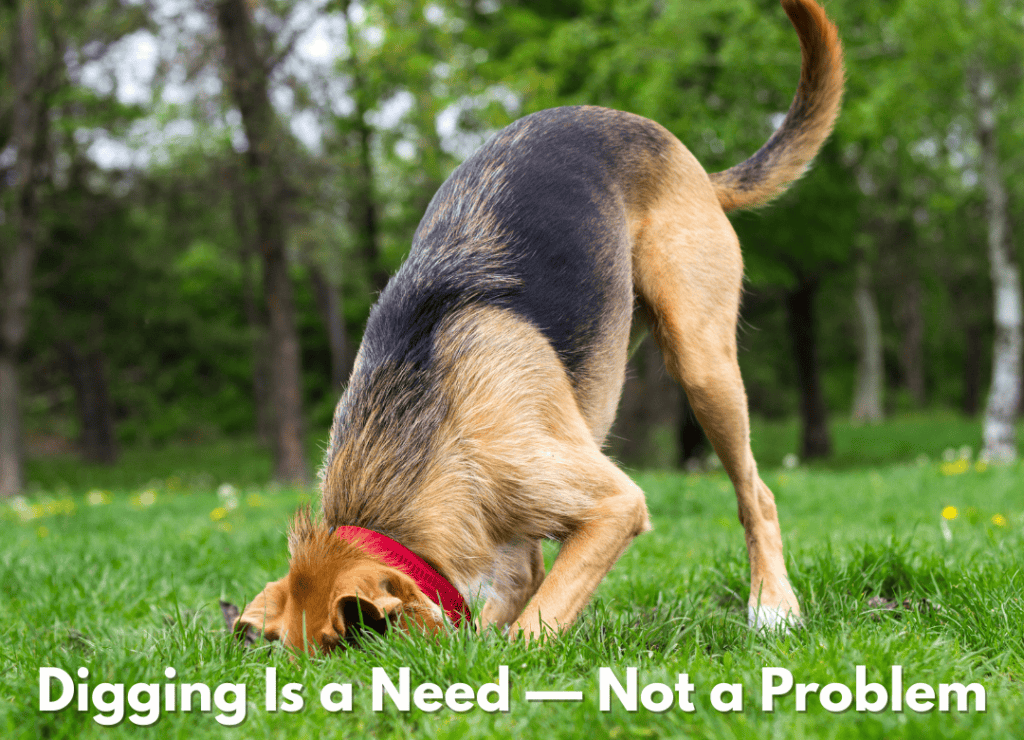
Digging is one of the most misunderstood behaviors in the dog world, and the way most pet parents respond to it accidentally guarantees it keeps happening. Your dog isn’t being destructive or defiant. They’re communicating a specific need as clearly as they possibly can, and once you identify what that need actually is, the solution becomes surprisingly simple and almost always inexpensive. Veterinarians and trainers who work with chronic diggers say the same thing consistently. The yard isn’t the problem. The unmet need underneath the behavior is. Address that, and the digging often stops on its own without punishment, deterrents, or expensive yard repairs.
In this article, you’ll discover the most common reasons dogs dig, how to identify which one applies to your dog, and the specific solutions that actually work for each cause. You’ll learn which simple changes protect your yard immediately, how to redirect the behavior without frustrating your dog, and why understanding the why behind the digging is the only approach that delivers lasting results. Your yard can be beautiful again, and your dog can be happy at the same time.
If you want a complete step-by-step strategy to prevent costly dog problems before they start, including common yard issues like digging, fence jumping, and escapes, check out Stop the Dog Money Worry. It walks through how these behaviors develop and what affordable steps you can take before they turn into expensive repairs or vet bills.

Budget tip:

I have to admit, I think it's kind of funny to watch Henry dig like a mad gopher. But I know there could be a day, I may need to curtail his need for digging. I know his digging is mostly done from a play standpoint. So, I'll do what I can to replace his play digging or find a new spot for him to dig. Once you know how to deal with a digging dog, the solutions can be easy enough and definitely not a budget buster.
Why is my dog digging holes in my yard?
According to the American Kennel Club, digging is a natural instinct for dogs. But like with anything in life, I think it’s always good to find the source of what’s causing an issue. Rather than slap a band-aid on it and hope for the best. I recommend observing your dog to discover which reason is the most likely for digging. You may need to do this without your dog’s knowledge. So, this could be through a window or with a security camera.
However, keep in mind that there are typically a few reasons a dog will dig. These include:
1. Curious
This will generally result in digging at the edge of the yard, next to your fence. Your dog is curious about what’s beyond the fence or yard.
2. Hunting
This type of digging is especially indicative of certain dog breeds such as labradors, retrievers, beagles, and hounds. Often there is one big hole and several smaller ones in close proximity. This type of digging dog is after rodents or small game.
3. Comfort
These types of digging dogs will find places to dig holes near foundations, under decks, or in shady areas of your yard. These holes are indicative of your dog seeking a cool or comfortable place to rest.
4. Learned behavior
A dog who has seen you or someone digging in the yard or witnessed another dog digging may start digging as well. This is the monkey-see, monkey-do type of digging dog.
5. Bored or burning energy
Some dogs use digging as an activity. This is especially true for certain dog breeds and for those dogs that don’t like to play with toys. Henry falls into that second category.
NOTE: By supervising your dog in your yard you’ll be able to tell if your dog is bored, curious, hunting, comfort digging, or doing some other type of behavior in digging. Or even a combination of these behaviors.
Understanding why your dog digs helps you choose the best solution faster, and avoid wasting time and money trying fixes that don’t match the real motivation.
How do I get my dog to stop digging in my yard?
Once you’ve discovered why your dog is digging, you can use a few tricks to deter your dog from being a gopher.
Although these tips will vary a bit depending on whether you want to contain your dog’s digging to one area or restrict your dog from digging altogether.
1. Digging zone
This is a fun one, which assumes that your dog will be allowed to dig in a designated area of your yard. The idea is to train your dog to only dig in the area you have set up for digging.
When your dog is not around (maybe in the house) bury toys or treats in the desired digging area 2-3″ below the surface. Then, when you see your dog dig up the treasures, praise your dog for a job well done.
Or you could even create a “digging pit” much like a sandbox and encourage your dog to dig in that area by burying favorite dog toys.
I’ve done this one with Henry, and he absolutely loved it! Although it took him by surprise at first. I placed treats inside plastic Easter eggs and let him find the eggs. Of course, I helped him open the eggs, and he retrieved the treats. I have to admit the hole he dug in that spot after that experiment was HUGE!
Creating a designated digging area or “dig pit” (like a sandbox with toys and buried treats) gives your dog an acceptable outlet for natural digging instincts. This can cut down on unwanted digging elsewhere.

2. Large flat rocks or pavers
If your dog has a tendency of digging in areas you don’t want, then try placing large rocks or pavers over the area. It won’t be easy for your dog to dig in that spot, and he or she should move away from that area for digging.
For areas you must protect, you can also use pet-safe deterrents like citrus peels or dog-safe sprays to make soft dirt less appealing. Always choose pet-friendly options if you try this idea.
3. Shady and comfort zones
If your dog is digging out of comfort, then simply make sure your dog has cool, shady spots in your yard. You can place a hammock, chair, or bench over a dirt or grass area. Don’t forget to always provide cool water as well for your dog, especially when it’s hot outside. These two simple acts should greatly reduce your dog’s need to comfort dig.
4. Exercise
A bored dog will be much more likely to seek ways to entertain him or herself. Remember if you don’t have time to properly exercise your dog, then consider asking a friend, calling a dog walker, or even taking your dog to doggie daycare. A happy, well-exercised, and tired dog is a dog less likely to dig up your yard and flowers.
Additionally, you can also try providing your dog with mental stimulation toys or games.
For more ideas on easy enrichment and low-cost exercise routines that help reduce digging, see my article on Great Exercises With Dogs.
5. Deterrent spray
Sometimes you may need to up your anti-digging game. For instance, if you have certain areas in your yard that you simply can’t seem to keep your dog away from digging, and you’ve tried fencing them off, rocks, exercise, and providing other areas to dig, then you may need a deterrent spray. There are a few on the market. Or you can make your own. The benefit of making your own is that you know exactly what’s in it, and you can easily tweak the recipe as you see fit for your dog.
Here’s a recipe that my friends have used as a dog deterrent without hurting plants. While it can be used for keeping dogs from peeing in your yard, it basically deters dogs from any areas it’s sprayed. Thus, it’s perfect for digging applications as well.
6. Professional advice
If you simply can’t seem to convince your dog to stop digging up your yard, and you’ve tried everything discussed here (and maybe a few others), then consult your dog trainer for a bit of dog training on digging. Or call an animal behaviorist for additional advice on the digging behavior. There could be something going on with your dog that they will be able to easily detect, including frustration with something in your household, separation anxiety, or even dog aggression.

Recommended resources:
- Learn more about building a dog-friendly yard → A Dog Friendly Backyard On A Budget
- How to address escape behaviors → Easy Dog Fence Jumping Solutions
- Why enrichment matters for behavior → Reaping Rewards of a Dog Digging Pit
NOTE: If you want a complete step-by-step guide to preventing costly dog problems, including digging, yard destruction, escapes, and anxiety-based behaviors, check out my guide Stop the Dog Money Worry. It helps you spot patterns early and choose the simplest, most effective solutions for your dog’s needs.
Easy dog yard digging solutions
I realize if you have a prized backyard, your dog digging in it is probably not the best idea. However, if you can get to the reason for that digging and provide an alternative that will solve the need to dig, then it’s a good thing for you and your dog. Such as a digging zone or comfort area for your dog.