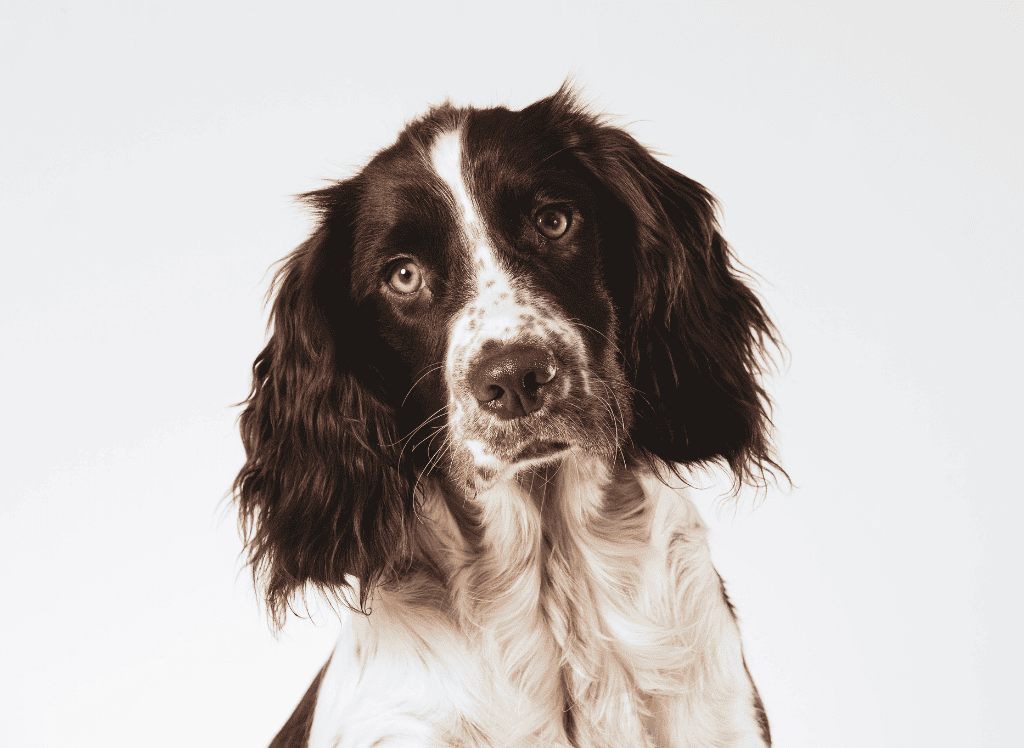

If your dog sniffs every toy like it personally insulted them, you’re not alone, and you’re definitely not doing anything wrong. Some dogs act like toys are beneath them, and honestly, it can leave you wondering, “Do they even know how to play?”
My rescue dog, Henry, was the king of “absolutely not.” Balls? No. Squeakers? Hard pass. Ropes? As if. I figured he’d warm up to toys eventually, but instead, he taught me something unexpected: some dogs want to play, just not the way we assume. Once you crack that code, everything changes.
If your pup prefers making up their own games or interacting in ways that don’t look like traditional “play,” you’re not dealing with a problem; you’re uncovering their personality. With this in mind, let’s dig in and explore the surprising ways to unlock play for toy-resistant dogs, so you can finally have fun together on their terms.

Budget Tip:

If your dog doesn't like toys, then he/she just saved you a bunch of money on your dog toy budget. You can still have fun with your dog and play with your buddy. But you don't need to waste money trying to find that "perfect" toy you think your dog "might" like. It's a major win-win for you and your dog.
My rescue dog doesn’t play with toys? Does it matter?
My dog doesn’t play with toys. But he does play. The key is he plays. That’s what you really want to focus on with your dog. If your dog isn’t engaging in any matter, then call your vet.
Why is it important for a dog who doesn’t like toys to still play?
When a dog plays it not only exercises the dog but also engages the dog’s mind. It’s been shown that when given a choice dogs will generally choose to play with their human over a dog toy.
Additionally, playing also helps to build and strengthen their bond with their human. Play is also important for helping dogs (especially young dogs and puppies) to work on basic motor skills, social interaction, and build coping abilities for events they may encounter at various points in life.
Consequently, All of these reasons are more than worthy of making play a priority in any dog’s life. Even an adult or older dog needs to keep engaged and have keen motor and coping skills.
Why doesn’t my dog like toys?
There could be many reasons why a dog refuses to play with a toy. They can include:
- Past trauma associated with playing with dog toys
- Never taught how to play with a dog toy
- Not introduced to a dog toy that stimulates the mind
- No human is willing to play with the dog and the toy
- The sound of squeaky dog toys gives the dog anxiety
- An underlying issue is holding the dog back, like a sore mouth or teeth
Do any of these reasons ring a bell with you? With a rescue, it may be difficult to know your dog’s history. But you’ll get a general idea by the way your dog reacts to you offering a toy.
For example, my dog Henry looks at me oddly when I try to give him a toy and play with him. As such, I have surmised he wasn’t taught to play with dog toys or perhaps given any dog toys with his previous family.
How do I know if my dog doesn’t like dog toys?
If you have a new rescue or new dog, give them a bit of time to adjust to their new environment before you label him/her as a dog who doesn’t like toys. However, do continually offer a toy of different sorts to your dog and see how he reacts. Make sure you are engaged with your dog with each of these offerings.
Why should I try so many different dog toys?
At first, you won’t know your dog’s likes and dislikes. Each type of toy is geared toward a different type of dog interest. For example:
- Squeaky dog toys are great for those dogs that are more prey-oriented
- Rope dog toys are perfect for dogs who love to chew or like to fetch
- Fetching dog toys can be superb also for prey or hunting dogs
- Flirt dog toys are excellent for dogs that love to run and jump
- Puzzle dog toys are wonderful for dogs that are big sniff dogs and motivated by food
- Snugglable dog toys are designed for anxiety dogs that need to be near their human or other dogs
NOTE: Always discard toys, bedding, and clothing when they start to get worn. You don’t want your dog to eat or choke on any small or large pieces of these items.
Offer the toys at different times over several weeks. Even if your dog is a big sniffer on your walks, but refuses to explore any puzzle toys. Don’t worry about it. There are other options. After I exhausted all my options I soon learned there were indeed other options.
How do I let my dog, who doesn’t like toys, set the pace for dog play?
Over time with Henry, he began to show me what he liked and what he didn’t like. Your dog will do the same. Be patient.
Henry loves:
- sniffing almost everything
- enjoys a good chase and would rather you chase him than the other way around
- digging a hole and “jumping” at the same time
- a good-smelling cookie will always pique his interest
- belly rubs
- back massages
- and, of course, anyone or anything, he believes will “play” with him in “his” way
With this information, I knew Henry loved to play. He just didn’t want to play with toys.
However, there is ONE time, Henry will pick up a toy. If he is at his dog friend’s house, he will steal her toys and run around the table simply to get her to chase him. He gets her to do one of his favorite things – chase him!
Henry showed me he could quickly learn what he needs to do to get another dog or human to do what he wants, such as his puppy friend to chase him.
How to entertain a dog who doesn’t like toys?
Henry loves to dig in a few spots on the property every day (they’re safe spots away from the yard). With this in mind, I hid plastic eggs in one of his holes for him to discover with smelly treats inside. He was confused at first but then thrilled with his discovery.
I’ve even learned new games from Henry. Recently, Henry decided that just eating out of his bowl was boring. He sat one evening next to his bowl and looked at me. Then he glanced at the bowl and then the floor.
A new game was invented
With this, I soon understood that he wanted to play a new game. I took a piece of his food and threw it across the room. He eagerly went and got it with his tail wagging. He ate his whole bowl that way. I’m really glad I have wood floors. If I had carpet this game would be a bit difficult.
Henry even has a nightly game of chase where he has me chase him around the property and then when he deems the chase is done, he’ll dig a hole for several minutes. While this isn’t a dog toy, it is stimulating his mind and keeping him active. It’s also strengthening our bond.

Is there a way to get my dog to play a game?
The best way to get your dog to play a game is just to watch him and take his lead. If he jumps and runs a bit, but then turns to see if you’re there, then run after him and play tag. This is basically about letting your dog create new games as you become even more bonded with your dog.
Related articles:
- Steps To Build A New Dog Budget
- 25 Affordable Date Ideas For Your Partner And Dog
- Quick Simple Dog Massage Therapy at Home
- Is There a Cheap Easy Way to Train Your Dog?
- Basic Dog Training Reduces Expenses: Easy!
- 10 Ways To Bond With Your New Dog
- 10 Signs You Need A New Dog Park
- Does My Rescue Dog Need A Positive Reinforcement Dog Trainer?
- Mind Games for Dogs Every Dog Loves!
How a dog who doesn’t like toys plays
While it can be disappointing to discover that your dog doesn’t like to play with toys, it’s not that big of a deal. There are many other ways to play with your dog.
Perhaps when your dog creates his own game the play is even better because he’s totally engaged from the creation to the translation to you and engagement in it.
The most important thing is to figure out what your dog loves and then play with your dog centered around those likes. You won’t go wrong. Plus, you’ll be engaging his play skills while strengthening your bond.