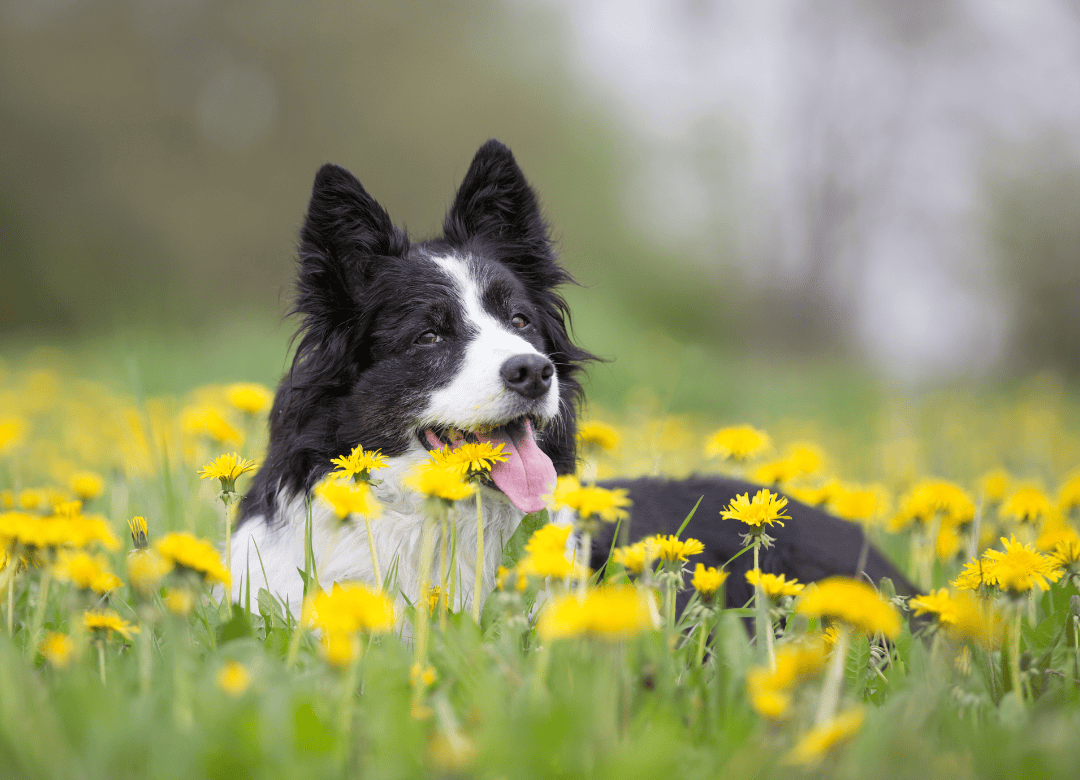

Spring sneaks up fast, and your dog’s body isn’t automatically ready for the shift. Neither is your yard, their routine, or their health needs.
The transition from cold to warm weather brings specific hazards and health changes that catch most pet parents off guard every single year. Allergies flare, parasites emerge, shedding explodes, and suddenly you’re dealing with problems that could have been prevented with a few simple steps in early spring. Dogs who skip this seasonal prep often spend the next few months uncomfortable, itchy, or dealing with avoidable vet visits while their owners wonder what went wrong.
In this article, you’ll discover the 8 essential steps to prepare your dog for spring before the season arrives in full force, which common spring hazards most people overlook until it’s too late, and how a little proactive care now saves you stress, money, and unnecessary vet bills all season long. Your dog is ready for warmer weather, but their body needs help getting there safely.
Budget Tip:

Like anything in life, preparation is key. The payoff of better dog health is always worth it in the end. With a few steps you can keep your pup healthy and spring ready. That's a major win-win for you and your buddy.
Why Spring Is a Big Season for Dogs
Spring means more outdoor activities and exploring. The thawing of spring and blooming of flowers can reveal things you may not have thought of while the snow piled up.
But now they are front and center and could pose a hazard to your pup. So, first is review where you are (you, your dog, and your home, including your yard), and make the necessary adjustments, which will keep your pup safe and bills down.
How to Prepare Your Dog For Spring
Thankfully, preparing your dog for Spring isn’t a heavy lift like cleaning out your closet. It’s all relatively easy, but it could take a little bit of time. Stay focused on the fact that you’re keeping your pup safe and healthy, and the process will be simple.
1. Refresh Preventive Vet Care for Spring

If it’s time for your ‘s checkup, make sure you schedule it now. Many veterinarians are booked several weeks or months out. To maintain your ‘s health, it’s a great idea to have your vet check your pup out at least twice a year. Preventative care is great for catching health issues early and keeping updated on tests. You want to think about:
- Annual exam
- Vaccines
- Parasite testing
- Heartworm testing
NOTE: My , Henry gets a check-up in May (his rescue or gotcha birthday) and November (before the holiday season starts). Often, something will pop up in between these dates that will necessitate vet visit. However, it’s a good idea to make check ups associated with special days like gotcha birthdays.
If you want step-by-step seasonal care tips and budget-friendly solutions that reduce vet costs and stressful surprises, my Stop The Dog Money Worry Book book has practical guidance. Also, my 5-Day Dog Budget Bootcamp delivers seasonal care strategies straight to your inbox.
2.
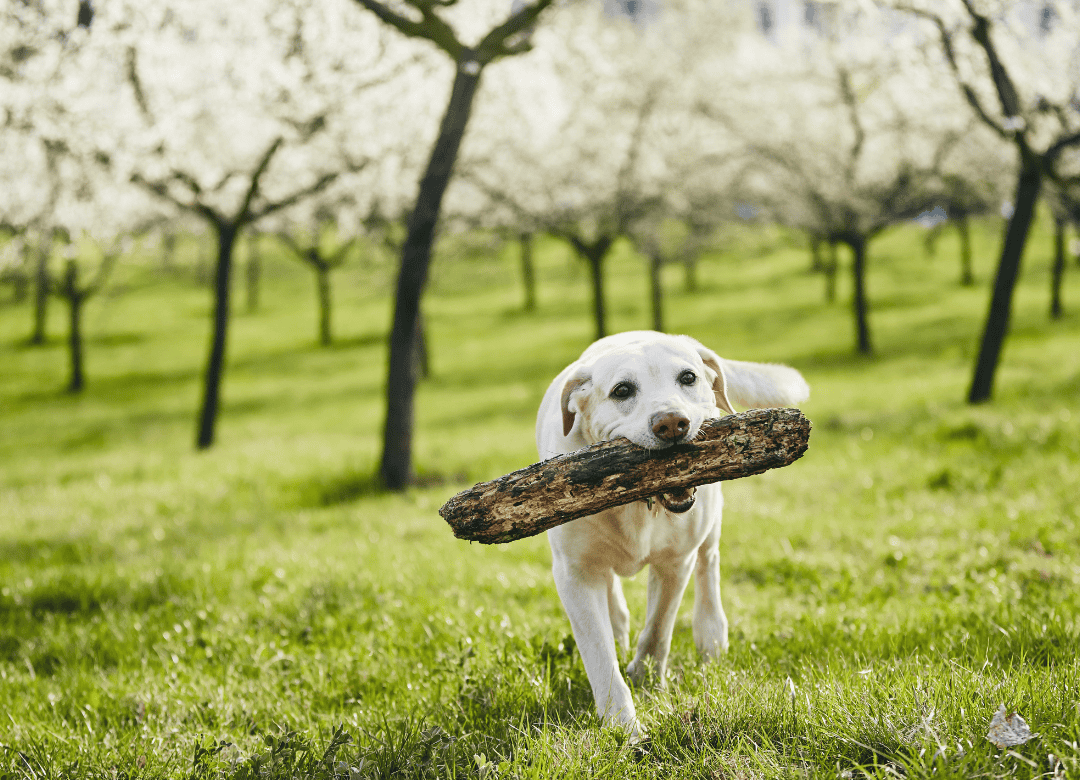
is when you should think about and preventative care. These are most active during the and summer months. The nice thing is that most of the preventative care supplements are monthly, much like Heartgard for preventing heartworm, which is administered monthly. It’s definitely something you’ll want to discuss with your vet.
3. Manage Seasonal Allergies
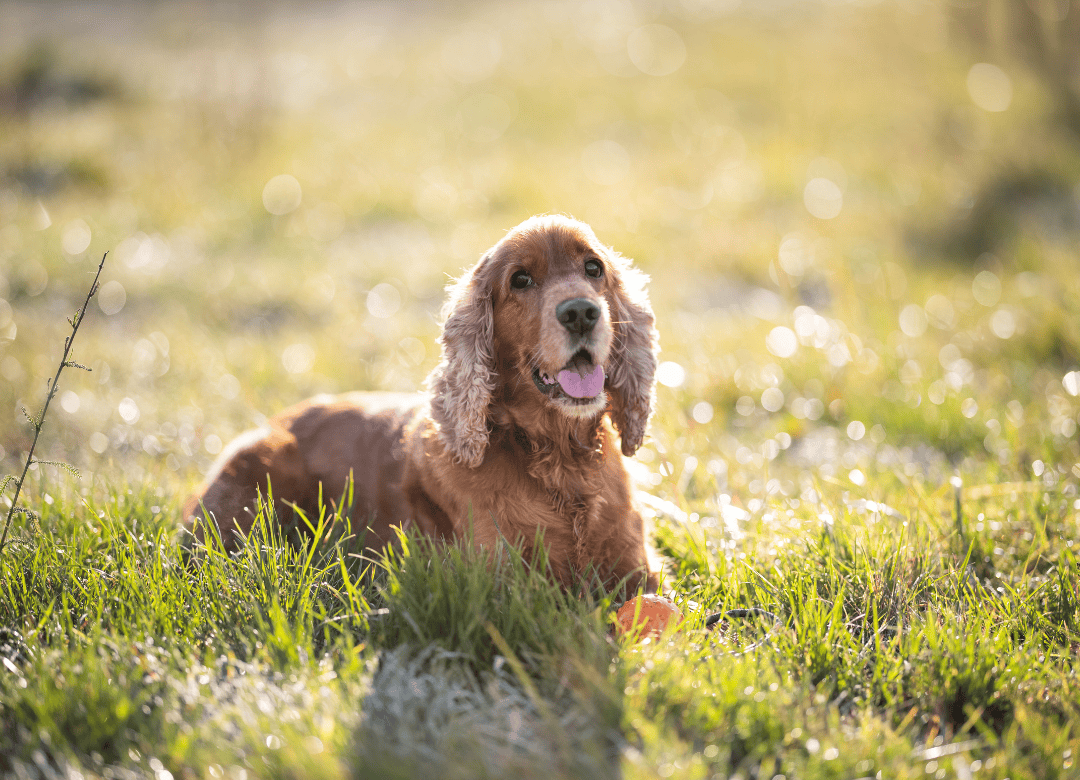
As you may have that arise during the , your can do the same. Some allergy symptoms you will want to watch for are:
- Runny eyes
- Itching or scratching
- Sneezing
- Coughing
- Red spots on the skin
I bet that list sounds familiar, right? It certainly does to me as I sniffle and write this article. If your ‘s appear to be getting worse, please consult your vet for advice. Henry tends to suffer from on and off throughout the year, but they are much worse in the and fall.
Unfortunately, spring triggers common dog allergies to grass, pollen, and weeds. If your dog is experiencing allergy symptoms such as sneezing, itchy paws, red eyes, or skin irritation, you may want to consider rinsing your pup’s paws after walks and using a vet-approved allergy shampoo. But if symptoms persist or you’re concerned, then contact your veterinarian. Your pup could need a prescription or other care.
Here are some natural ways to combat your buddy’s allergies.
4. Check ID Tags and Microchip Information
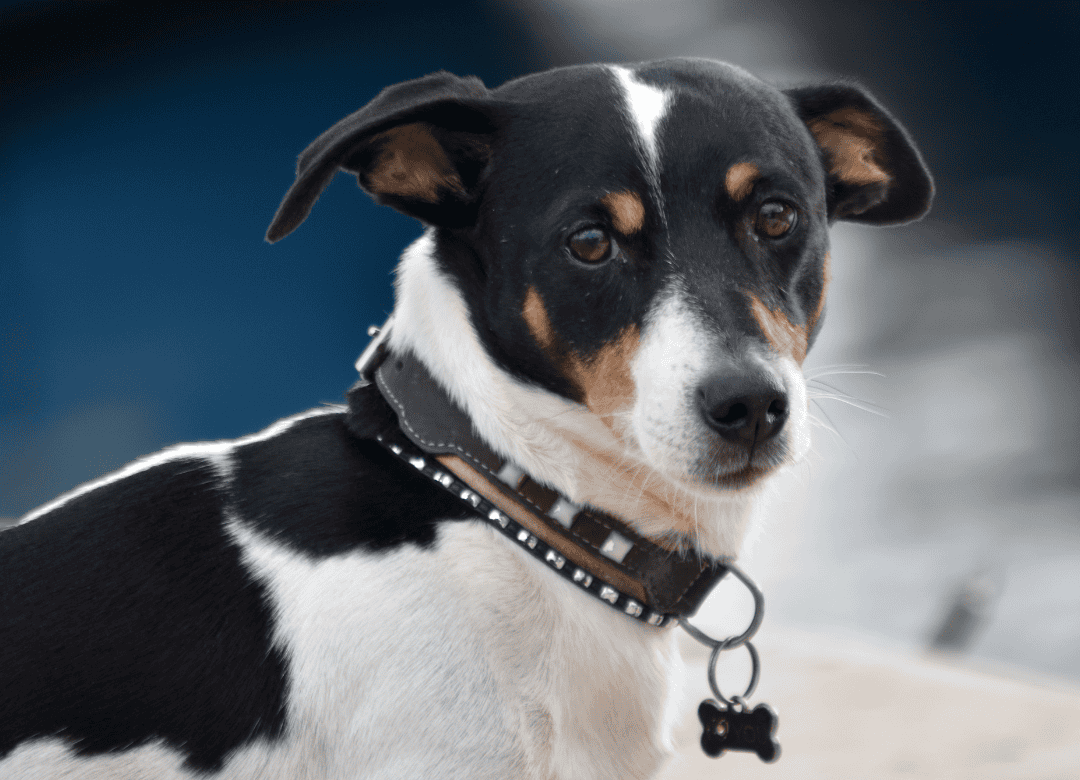
I know microchips and ID tags are something most of us do once and don’t think about again. But as good , we really need to review our ‘s chip data at least once a year. You want to make sure the vet, phone number, backup person, address, , and all other pertinent information are correct. It’s something that can easily slip through the cracks.
Also, make sure that the information on your ‘s ID tags is still correct and legible. Some tags become worn over time and are not easy to read. Information can easily change, like phone numbers or addresses. Yet we forget about our dog’s ID tags.
5.

Springtime is also time. That means lots of brushing your g. As you brush your dog, make sure you carefully inspect your ‘s skin for any lumps, bumps, or other ailments. If you find anything suspicious, review it with your vet. Catching something early is always the best.
I generally groom Henry with his short summer cut in . If you take your to a groomer, you may want to consider a shorter summer cut, depending on your weather and your dog’s health. Keep in mind that some breeds, like huskies and collies, should never have their fur cut. But that doesn’t mean you can avoid brushing them.
Note: Older dogs or dogs with health issues may need a longer coat to stay warm even as the weather heats up. So be mindful of what your dog needs and even use a lightweight sweater if necessary.
In the warmer spring weather, you’ll want to think about:
- Groom more often (and probably shorter)
- Brush more frequently
- Clean brushes to eliminate pollen issues
- Watch for abnormal coat changes
Why spring grooming matters: With shedding season in full swing, many dogs lose their winter coat fast, which can lead to mats, itchiness, and irritation. Brushing regularly helps with airflow and reduces hair buildup. It also gives you a chance to check for ticks and skin issues that become more common as temperatures rise.
6. Clean and Store Seasonal Dog Supplies
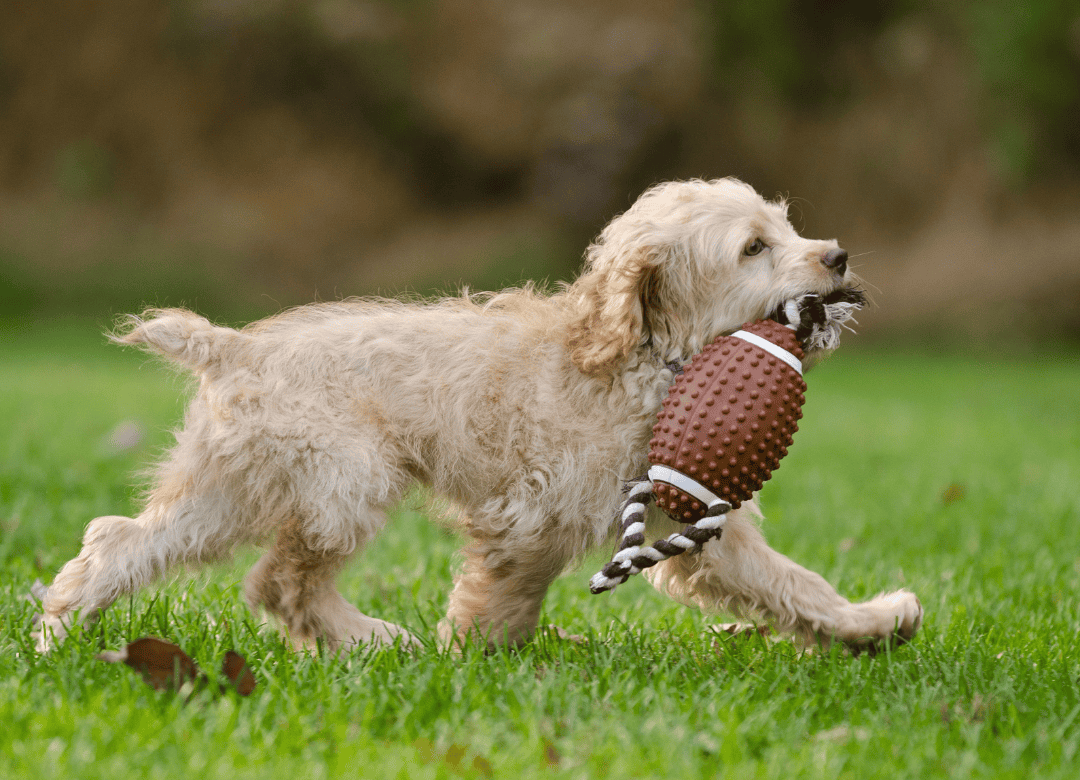
In your springtime cleanup, review all your ‘s toys, bedding, clothing, kennels, and other items. If there is damage and you can reasonably repair it without harming your , then that’s a great option.
Otherwise, discard the torn or broken items, which is generally the best choice. But if all you need to do is put a new screw in your ‘s kennel, then that’s an easy fix and certainly doesn’t warrant tossing.
After you’ve inspected all of your ‘s items, thoroughly clean them. Some pieces will be able to go into your washing machine on the gentle cycle. These items will most likely be bedding, along with some clothing and toys.
Although other objects may need to be hand-washed, which can even be done in a sink or outside with a hose. I like to always use at least a 1/4 cup of distilled vinegar when I wash Henry’s accessories and a no-scent detergent. However, Dawn Blue dish soap will work in a pinch.
Now that you’ve washed everything, go ahead and pack them away in a closet, drawer, or some other place of convenience. This includes any sweaters or coats your dog won’t need for the warmer months. When you pull them out, they will be clean. To keep them smelling fresh, you can put them into a zip bag or a storage clothing zip bag with a sachet of baking soda. Simply place 1/2 cup of baking soda into a 6″x6″ cloth, tie it up, and place it into the bag. Voilà!
7. Prepare Your Yard for Safe Spring Play
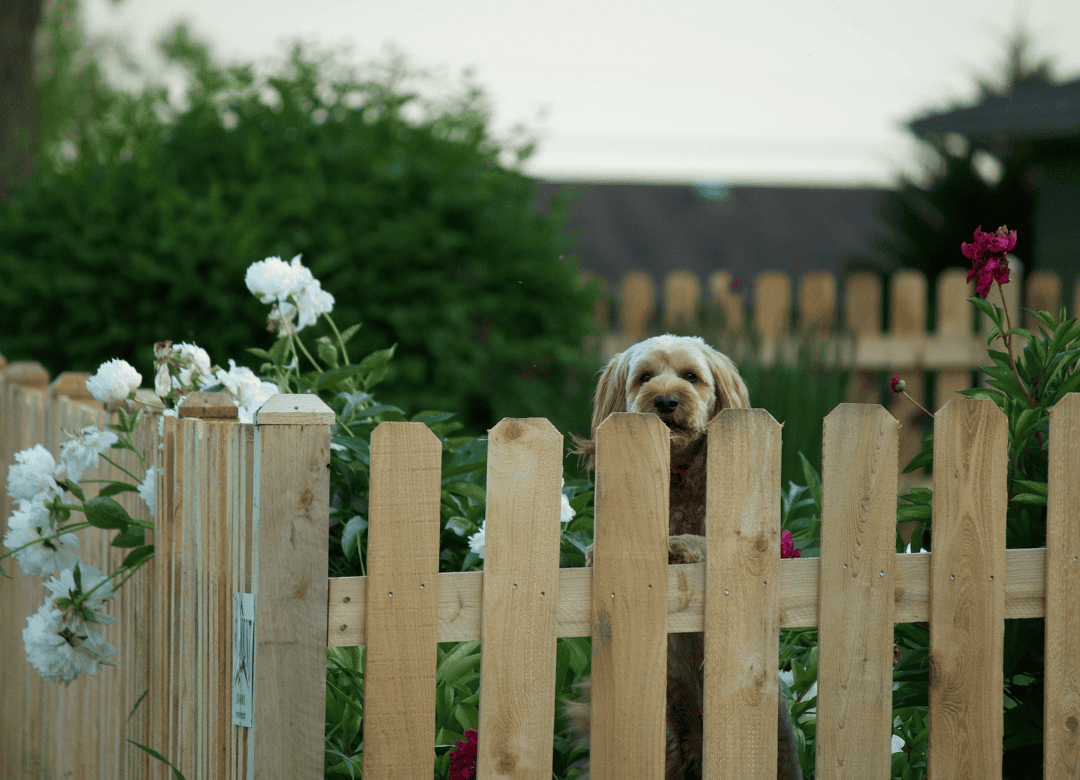
Over the your yard may have been covered with , leaves, or other debris. As it is uncovered, carefully evaluate your fence, paint, trees, and other landscaping items. Make sure to repair anything that has deteriorated in the winter months. Your yard is a place both you and your should be able to safely enjoy. You may be surprised to find dangers lurking in your pup’s yard.
For more ways to dog-proof your outdoor space, check out our post on easy dog yard digging solutions, which includes fixing holes before spring greenery grows, and can save time and money.
Spring Hazards to Watch For:
- Pests: Ticks, fleas, mosquitoes (carry disease)
- Toxic plants: Daffodils, tulips, azaleas
- Standing water: Mosquito breeding & leptospirosis risk
- Garden chemicals: Herbicides, slug bait, fertilizers
- Paint: Chipped paint seems to be enticing for some dogs
- Broken fence: Always fix it immediately to avoid an escape
- More launching points: Sometimes you might pile wood near your fence. It can become a launching point to jump the fence and escape. Make sure your fence is clear of items that encourage jumping.
I LOVE dog-friendly perennial flowers. I tend to add a few each year to my yard.
8. Adjust Exercise for Warmer Weather
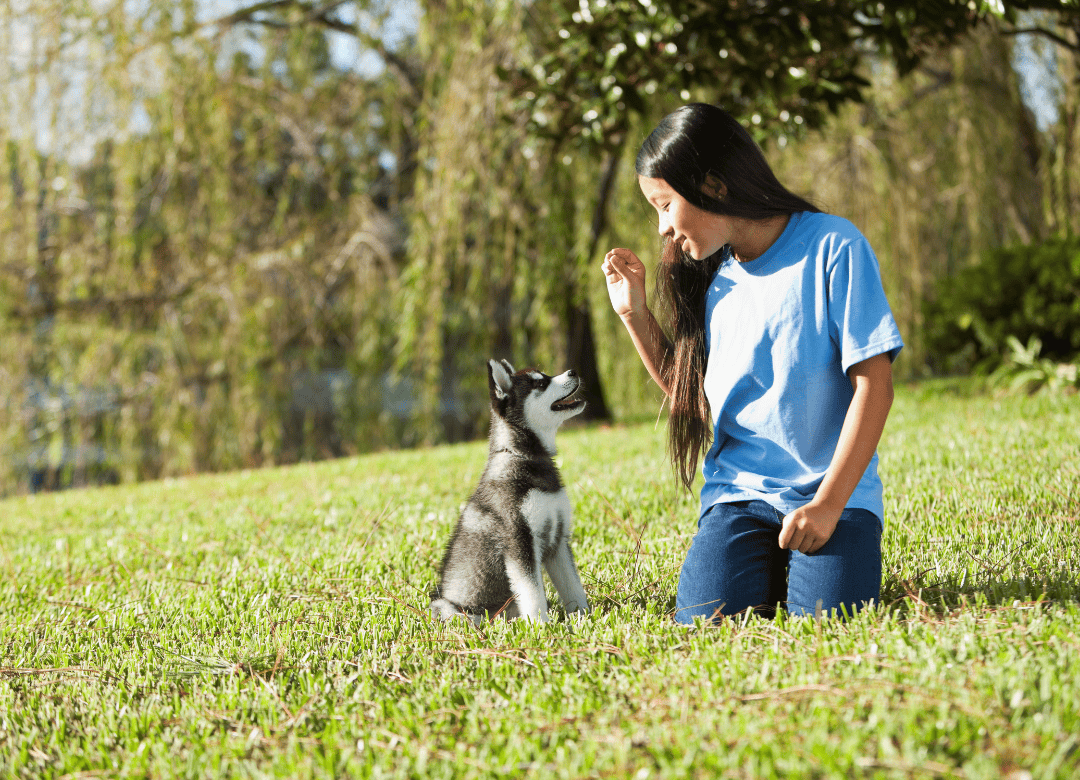
While it was cold and we hunkered down inside, our pups may have developed a few bad behaviors. If this is the case, then consider enrolling in a training class.
Think of it as going back to school. It will help to refocus your , get you among other like-minded dog lovers, and kick off your on the right paw, so to speak.
If your is high-energy, you may want to try something new, such as classes. It will keep your ‘s mind active while giving you and your dog a new bonding activity. There are many positive reinforcement trainers available, some will even come to your home.
Spring is all about getting your dog more fun outdoor time, while being mindful of such things as:
- Heat tolerance (I like using a cooling vest to keep Henry comfortable)
- Gradual conditioning before that big hike you’ve been thinking about all winter
- Hydration is always critical, regardless of the weather
If your dog’s getting more outdoor time, these great exercises with dogs help burn energy and strengthen the bond without extra strain.
How does preparing your dog for spring save money?
You may not think much of the changing season as impacting your pup, except for the shedding. But with a few key preparations, you can avoid more bills in the future. Considering the following for a moment.
| Possible Issue | Estimated Cost |
| No vaccine leading to kennel cough or worse | $50 – 200 |
| Pup infected with ticks or fleas | $200 – 1,000 |
| Buddy has allergies, is not as active, and puts on weight | $250 |
| Choking on toy stuffing | A happy and healthy pup |
| Avoiding a yard or home injury | $800 – 2,500 |
| Lost dog without updated microchip or tags | HEARTBREAKING!!! |
| Happy and healthy pup | PRICELESS!!! |
FAQ For Preparing Your Dog for Spring
Q: Should I change my dog’s food in spring?
A: Not necessarily. Only if your vet suggests it for weight or activity adjustments. Most dogs transition food types only when recommended.
Q: How often should I check for ticks in spring?
A: Check daily if your dog spends time outdoors. Ticks thrive in warming weather and can attach quickly.
Q: Are seasonal allergies common in dogs?
A: Yes. Grass, pollen, and yard weeds can trigger scratching, red eyes, and sneezing. Rinsing paws and consulting your vet helps.
Related articles
- How To Find Vet Approved Low Cost Dog Vaccines
- 14 Natural Remedies for Dog Allergies: Paw-sitive Relief!
- A Dog Nail Grinder Boosts Your Pet’s Health & Saves Money!
- 16 Surprising Hazards To Avoid For A Safe Dog Yard
- Dog Microchipping Saves On Costs? True!
Wag-worthy ways to prepare your for
You may have never thought about prepping your for . But just like most things in life, a successful outcome happens with a little prep work.
Thankfully, most of the prep doesn’t take much time or effort and can be done with your regular springtime clean-up. Of course, the top of the spring list includes making an appointment to see your vet, keeping your dog brushed, and securing your yard after the winter.
Knowing your is springtime ready and you don’t need to worry is cause to rejoice and hit the trails for the first spring hike. I know a good hike is always on Henry’s and my list.