

Most dog parents wash their pup’s bowls when they look dirty. But how often should you actually wash dog bowls to keep your dog safe and healthy?
I get it. Life is busy, and adding one more chore can feel like too much. I’ve definitely been guilty of putting it off, too. But the problem with that plan is that by the time your dog’s bowls look dirty, bacteria has already been building up for days.
Dog bowls (both food and water) can harbor harmful bacteria faster than most of us realize. That small daily habit (or lack of one) can impact your dog’s digestion, hydration, skin health, and even lead to higher vet bills.
Honestly, this is one of the easiest and cheapest ways to protect your dog’s health. Let’s break down exactly how often to wash dog bowls, and why it matters more than you think.
As an Amazon Associate, I earn from qualifying purchases. I may get commissions for purchases made through this link. Learn more here.
📌 PIN FOR LATER!
Budget tip: Keeping your dog’s bowl, may seem so obvious you can overlook it, especially on a busy day. The truth is clean bowls reduce stomach issues, keeps infections at bay, and encourages hydration which also helps to keep your buddy healthy. A clean bowl keeps your pup healthy and in turn your vet bills low. That’s a major win-win for you and your furry friend.
If you love small changes that protect your dog and your wallet, my free 5-Day Dog Budget Bootcamp walks through simple daily habits just like this that prevent bigger expenses later.
How often should you wash dog bowls?
Dog food bowls should be washed after every meal, while water bowls should be cleaned daily. Regular washing helps prevent bacteria buildup, supports your dog’s health, and reduces the risk of illness.
What I Use to Keep Dog Bowls Clean (Simple + Affordable)
If you want to make this habit easier (and actually stick with it), these are a few things I use daily for Henry:
- Lick mat – Helps slow eating and is easy to wash right after meals
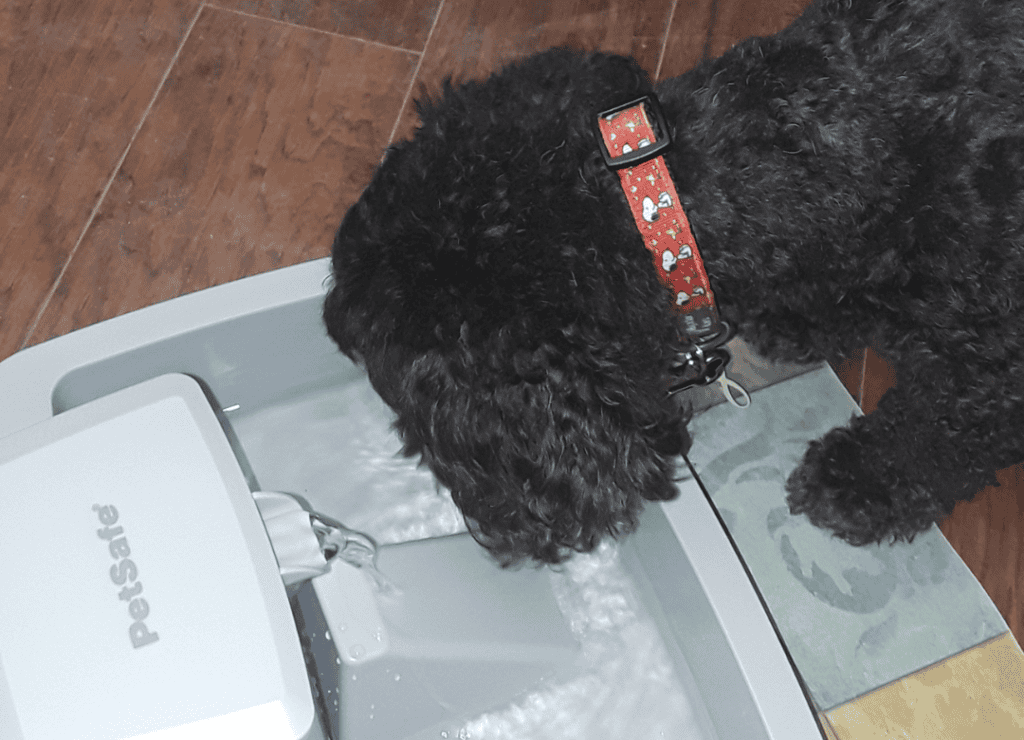
- Water fountain – Encourages more drinking with flowing water
- Stainless steel dog bowl – Durable, easy to clean, and less likely to hold onto bacteria than plastic
Honestly, switching Henry to stainless steel bowls and a water fountain made this routine way easier to keep up with daily.
How Often to Wash Dog Bowls (Full Cleaning Schedule)
Pet Food Bowls
- Wash after every meal
Water Bowls
- Wash your dog’s water bowl daily
- Refill with fresh water
Water Fountain
- Change the water daily
- Clean the fountain every 3–7 days (every 3 days if you have multiple dogs)
Lick mat and Raw Food Bowls
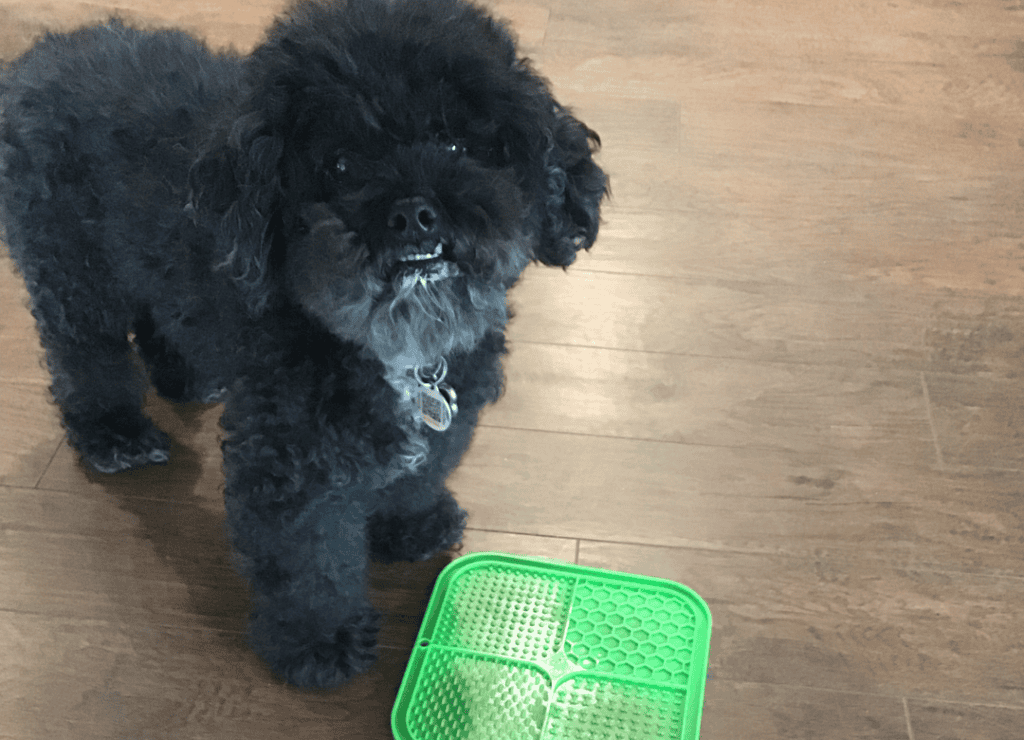
Henry gets a lick mat twice a day with pumpkin. It’s his absolute favorite part of mealtime.
- Wash immediately after every use
- Use hot, soapy water
- Sanitize thoroughly
- Dishwasher clean every other day (if safe)
Even if bowls look clean, bacteria can still be growing. It’s always better to stay on the safe side when it comes to your pup’s health.
If you’re curious why dogs love lick mats so much, check out this guide on lick mats and how they benefit your dog.
These are the exact lick mats Henry uses and loves every day. They have heavy-duty suction cups on the back and are dishwasher-safe. A great addition to Henry’s daily routine.
Common Mistakes When Washing Dog Bowls
Even well-meaning dog parents make a few of these mistakes. Avoiding them can make a big difference in your dog’s health.
- Only washing when the bowls look dirty – Bacteria builds up long before you can see it.
- Not washing water bowls daily – Clear water doesn’t mean clean—biofilm forms quickly.
- Using damaged bowls – Scratches and cracks trap bacteria and are harder to clean.
- Not rinsing soap completely – Leftover residue can upset your dog’s stomach.
- Forgetting about extras like lick mats and fountains – These can harbor just as much bacteria as regular bowls.
Why You Should Wash Dog Bowls Every Day
Bacteria Builds Fast
That slippery feeling inside the water bowl is a sign of a dirty bowl. It’s not just dog slobber. It’s bacterial buildup. Henry’s bowls are filthy by the end of the day. I swear he must be panning for gold as dirty as the water can get.
Dog bowls can grow:
- Salmonella
- E. coli
- Mold
- Biofilm (that slimy layer in water bowls)
Dirty Bowls Can Cause:
- Vomiting
- Diarrhea
- Bad breath
- Chin acne
- Mild recurring infections
These aren’t dramatic or critical vet emergencies most of the time, but they can be repetitive issues that quietly add up in vet costs.
Note: As the seasons change, bowls may need to be cleaned more often depending on your dog. Henry has a tendency to dig in his digging zones more in the summer. He’ll get dirt in his chin fur and track it into his water bowl, which can cause him to choke and cough.
If you’re working on reducing digestive upset long-term, improving the overall balance of your dog’s system can make a big difference. This is a simple guide to help improve your dog’s gut health.
What Happens If You Don’t Wash Dog Bowls Often Enough?
Here’s what tends to happen over time:
- Food residue contaminates fresh meals
- Water becomes less appealing (your dog may drink less)
- Bacteria multiply in scratched surfaces
- Minor digestive issues become more frequent
But if you have a dog at higher risk, the issues can come on more quickly and be more serious. These higher-risk dogs include:
- Puppies
- Senior dogs
- Dogs with weakened immune systems
- Dogs with kidney or bladder concerns
When a dog drinks less because the water tastes weird or off, hydration can suffer. Hydration affects everything from digestion to kidney function. If you’ve ever wondered why fresh, clean water matters so much, these 8 Awesome Reasons Your Dog Needs a Clean Water breaks it down in a simple and practical way.
The Right Way to Wash Dog Bowls
I’m happy to say that washing your dog’s bowls isn’t complicated or even time-consuming. In just a couple of minutes, you can keep your buddy safe with regular cleaning of your fur kid’s pet bowls.
Daily Cleaning Routine
- Wash with hot, soapy water
- Scrub all surfaces (including edges and bottom rim)
- Rinse thoroughly to remove soap residue
- Dry with a clean towel
- Let it air dry completely
- Fill with fresh water
Weekly Deep Thorough Cleaning
- Dishwasher (if you have a dishwasher-safe bowl or your water fountain is dishwasher-safe)
- Or soak in a vinegar-water solution, then rinse thoroughly, and wash with hot soapy water
What Not to Do
- Just rinse with cold water
- Top off the water without washing the bowl
- Let crusted food sit overnight
- Ignore scratches and cracks
Dog bowls aren’t the only things that collect bacteria. Collars, toys, and feeding accessories can build up grime quickly, too. If you want a simple routine for keeping all your dog’s supplies clean without overspending, check out this article.
Does Bowl Material Matter?
It certainly can make a difference. Here’s what you should consider:
Stainless Steel Bowls (Best Option)
Henry’s regular water bowls are stainless steel. These bowls tend to be:
- Durable
- Easy to sanitize
- Resists bacteria buildup
- Doesn’t scratch easily
These are Henry’s regular water bowls, which are super cute and have rubber on the bottom to keep him from moving them.
Ceramic Bowls
Henry’s food bowl is ceramic. I went with this option because it was heavy, super easy to clean, dishwasher safe, and Henry isn’t destructive with scratching. Also, the bowl is adorable, and you know us dog moms and adorable accessories. With a ceramic bowl, you will get a dish that is:
- Easy to wash
- Generally dishwasher safe (but check)
- But always replace the bowl if there are chips or cracks
Plastic Bowls (Least Desirable)
- Scratches easily
- Traps bacteria
- Can contribute to chin acne
- Might contain toxic BPA, BPS, or BPF chemicals, which can lead to a multitude of health issues
If your dog has recurring chin irritation or mild digestive issues, switching bowls can sometimes make a surprising difference.
This is Henry’s water fountain. I’m honestly shocked by how much water he drinks with it, which is great and helps to keep healthy.
Note: It’s perfectly safe to wash pet bowls with human dishes. The water in a dishwasher gets hot enough to sanitize everything in it.
Signs Your Dog’s Bowls Aren’t Clean Enough
In a nutshell, or dog cookie, if you wouldn’t dream of eating or drinking from a bowl in your dog’s condition, your buddy shouldn’t either. You will want to watch for such things as:
- Slimy water bowl surface
- Sour or stale smell
- Food sticking to the sides
- Your dog is hesitating to drink
- Recurring mild stomach upset
If the bowl looks or smells disgusting, then don’t let your dog use it until it’s thoroughly cleaned.
How A Clean Dog Bowl Saves Money
This is one of those boring, invisible habits that pays off quietly. You may think it’s much to do about nothing, but cleaning dog bowls really is a big deal. For a moment, consider the following possible issues and expenses.
| Possible Issue | Estimated Costs |
| Minor GI vet visits | $400 – 3,000 |
| Medication for avoidable infections | $10 – $30 |
| Dehydration health issues | $500 – $5,000 |
| Clean dog bowls and a healthy pup | PRICELESS!!! |
Small habits like this are exactly what I talk about inside the Stop the Dog Money Worry book. It’s not dramatic overhauls. Rather, it’s just smart, consistent routines that protect your dog’s health and your budget. Most expensive pet problems don’t start big. Instead, they start small and are often ignored.
Related articles:
- 8 Awesome Reasons Your Dog Needs Water
- Money-Saver! Best Dog Accessory Cleaning Tips!
- Pawsitively Perfect: Dog Lick Mat Benefits
- Improve Gut Health in Dogs: Amazingly Easy!
Frequently Asked Questions About Washing Dog Bowls
How often should you wash dog bowls?
Dog food bowls should be washed after every meal, while water bowls should be cleaned daily. This helps prevent bacterial buildup and keeps your dog healthy.
Can you wash dog bowls in the dishwasher?
Yes, as long as the bowls are dishwasher-safe. Use a hot cycle and make sure the bowls are completely dry before your dog uses them again.
Is dish soap safe for dog bowls?
Yes, dish soap is safe for dog bowls. Just be sure to rinse thoroughly so no soap residue is left behind.
Do water bowls really need daily washing?
Yes. Even if the water looks clean, bacteria and biofilm can build up quickly. Daily washing helps keep your dog’s water safe.
How often should you replace dog bowls?
Replace dog bowls if they are:
- Deeply scratched
- Chipped
- Rusting
- Cracked
If your bowls are still in good condition but your dog avoids them, try switching styles. Some dogs are picky. For example, Henry won’t eat from small bowls or ones with designs on the bottom.
Don’t Dismiss How Often to Wash Dog Bowls as a Silly Chore
📌 PIN FOR LATER!
It’s a tiny daily task that adds up. Keeping your dog’s bowls clean protects your pup’s digestion, hydration, and long-term health, which also keeps your vet bills down. Remember the basics are:
- Food bowls should be washed after every meal
- Water bowls need to be washed daily
- Water fountains need the water changed daily, a deep clean every 3-7 days, depending on your dog and how many furry friends are sharing it
- Replace damaged bowls
- Don’t wait until it looks dirty
I always tell myself that Henry needs a clean water bowl and food bowl just like I do. It’s a small chore that takes very little time. But it keeps your pup healthy, which is always the goal. I’m glad I give Henry clean bowls daily.


I wash Nilis’ food bowl after every meal, and change her water at least 3 times a day including washing it. Great post
I knew you’d be on top of it. Nili has a great mom. Henry says she needs a cookie.
Great article! I, too, always washed after every meal. With five Huskies, I was always checking their dishes, both water and food as well as their outdoor (horse trough) water bucket. It’s so important!
Like you, I used stainless steel dishes. The Best! Even their horse trough water bucket out on my deck was stainless steel.
This is important any time of year, but especially in the warmer weather when bacteria can multiply even faster. And bugs!
Sharing with my pet parents! Hugs to Henry!
PS – thanks for joining in my #FlashbackFriday blog hop, too!
I bet you were always washing one bowl or another with five. I love the horse trough idea. I still have my horse troughs and put them out when there’s a wildfire for wildlife to get a drink. Stainless steel is great! Oh my, those bugs, especially with an outside bowl can happen quickly. Thanks for sharing and for letting me participate in your blog hop.