
If you’re trying to calm a dog during fireworks, thunderstorms, separation anxiety, or another stressful situation, several solutions may help. Safe spaces, calming supplements, pressure wraps, heartbeat toys, and veterinarian-approved medications can all reduce anxiety in some dogs.
The challenge is that every dog responds differently. What worked for my rescue Cockapoo, Henry, wasn’t a single solution but a combination of tools that helped him feel secure.
As an Amazon Associate, I earn from qualifying purchases. I get commissions for purchases made through some links in this article. Learn more here.
Budget tip:
Helping your dog with anxiety is good for your pup and your pocketbook. A dog that is very stressed can hurt themselves or others. That means you could get hit with an unexpected vet bill.

Worse is if your dog escapes and becomes lost. As such, providing aids and helping your pup to overcome anxiety is a win-win for your buddy and your wallet!
Note: Always talk to your vet before giving your dog a new supplement or changing his diet.
How Do You Calm a Dog Quickly?
There are a few things you can try to calm your anxious dog.
- Move your dog to a quiet safe space.
- Close blinds and reduce noise.
- Give your pup a heartbeat toy.
- Try a calming wrap or shirt.
- Use veterinarian-approved calming supplements.
- Stay calm and speak softly.
- Contact your veterinarian if panic attacks are severe.
Here's my recipe for a calm Henry:
Covered dog crate - this one is like Henry's
Cooling vest - this is similar to the one Henry currently is using
Heartbeat toy - this is very similar to Henry's beating toy
Calm Mushroom treats - Henry loves these and they do work
What Causes Anxiety in Dogs?
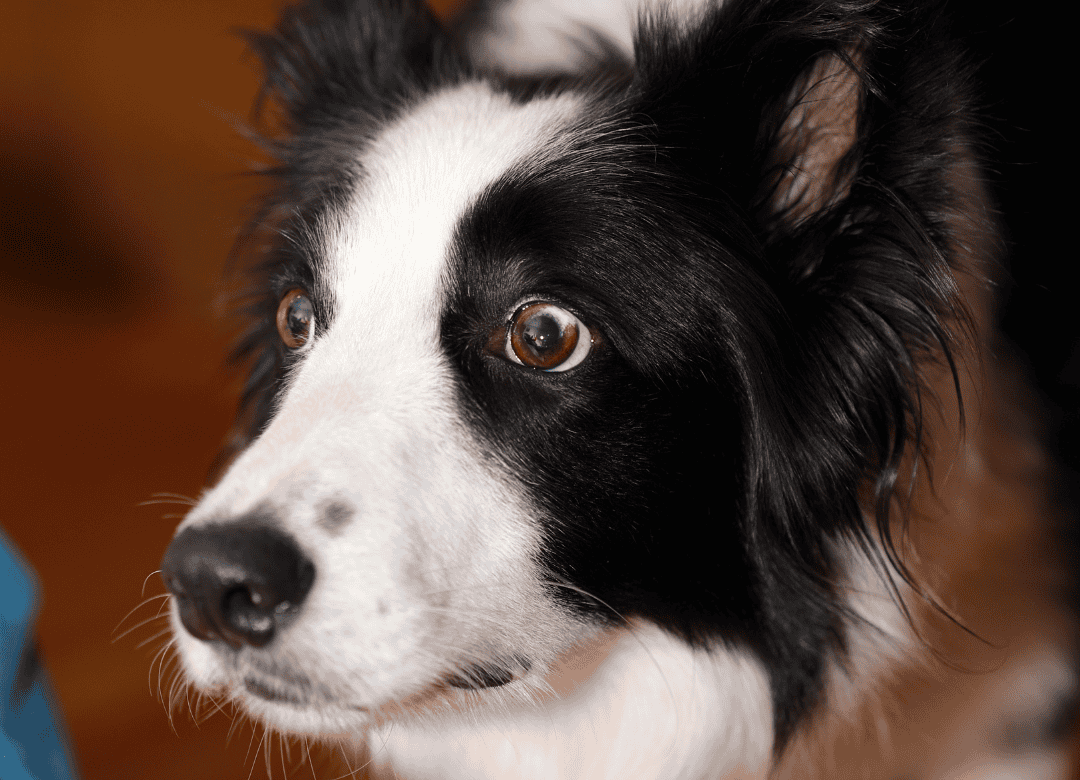
Stress, panic, or anxiety in dogs can be triggered by many different factors. Again, this can be very unique to each dog and their experiences. However, there are certain triggers that seem to be universal for most dogs, such as fireworks, thunder, and sirens, to name a few.
Some dogs have traumas, and we don’t realize how deep that trauma goes or what’s involved.
For example, Henry is a rescue. He spent four months in foster care. I later learned that his foster mom didn’t like him. Additionally, I discovered his original family was an elderly couple. When they died, he was thrown out with the trash. He definitely came to me with some trauma. Initially, Henry’s panic triggers included:
- loud noises, such as fireworks or thunder
- wind
- rain
- snow
- being left alone
- windshield wipers
- fire of any type
Specifically, the triggers will change depending on your dog’s trauma.
For instance, Henry has a puppy friend who’s also adopted. She runs and hides at the sight of men, especially men with any facial hair. Also, I had a childhood dog with anxiety. She had a similar trigger to Henry’s friend and would shake and pee on herself at the sight of men with long hair.
Each dog has their own traumas. Our job as dog parents is to recognize the traumas and help them cope as best as they can.
In this article, I talk about how I adopted Henry as a foster dog.
What Does Anxiety in Dogs Look Like?
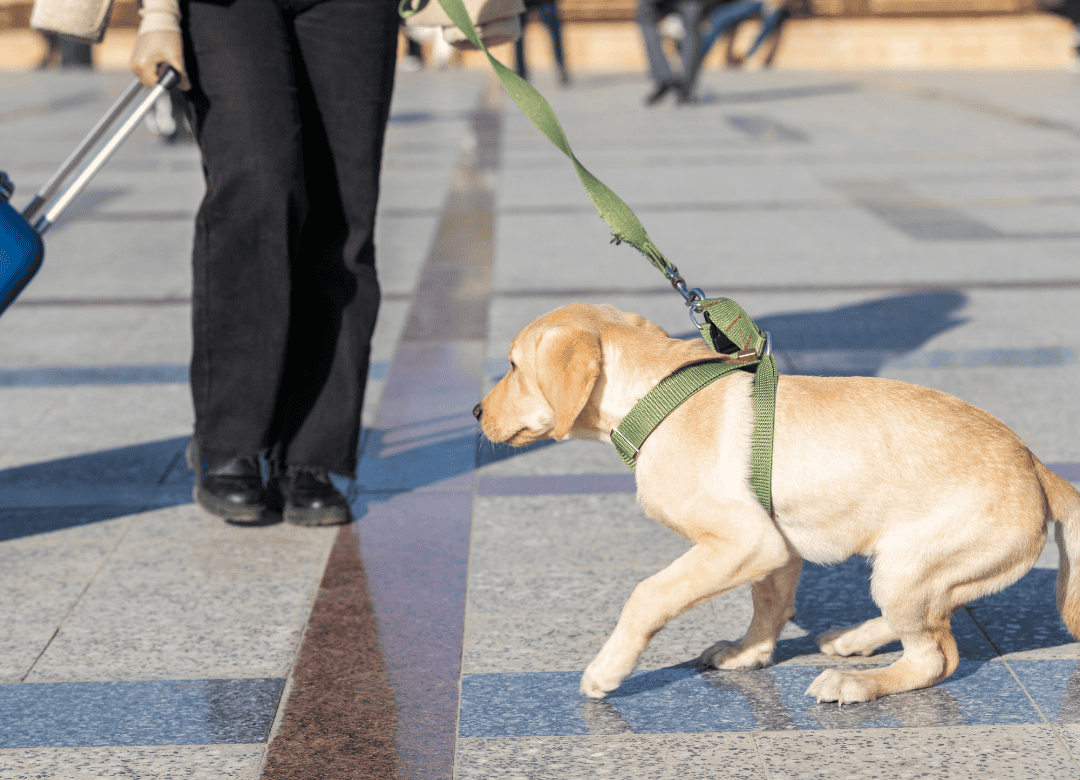
Anxiety in dogs can look different for different dogs. However, as I’ve stared into Henry’s eyes, the only thing I can think of is that he’s having what in human terms would be called a panic attack. If you’ve ever had the misfortune of experiencing a panic attack, then you’ll relate to your dog even better.
I mentioned to my veterinarian that Henry’s stress was basically a panic attack, and he agreed that’s the human analogy. That’s horrible!
I’ve experienced two of these attacks, and I can tell you that if I could’ve somehow crawled out of my skin to escape it, I would’ve done it. There’s certainly nothing fun or logical about a panic attack.
In a dog, the physical appearance of high stress, anxiety, or a full-on panic attack can include:
- panting
- pacing
- shaking
- pawing
- drooling
- excessive barking
- aggression
- destruction of items
- peeing or pooing, excessively, especially in the house
- compulsive, or repetitive behavior
None of that sounds fun from the dog’s perspective, and you probably already know none of it’s fun from the dog parent’s perspective.
In this article, I discuss aggression in dogs.
12 Ways to Calm a Dog With Anxiety
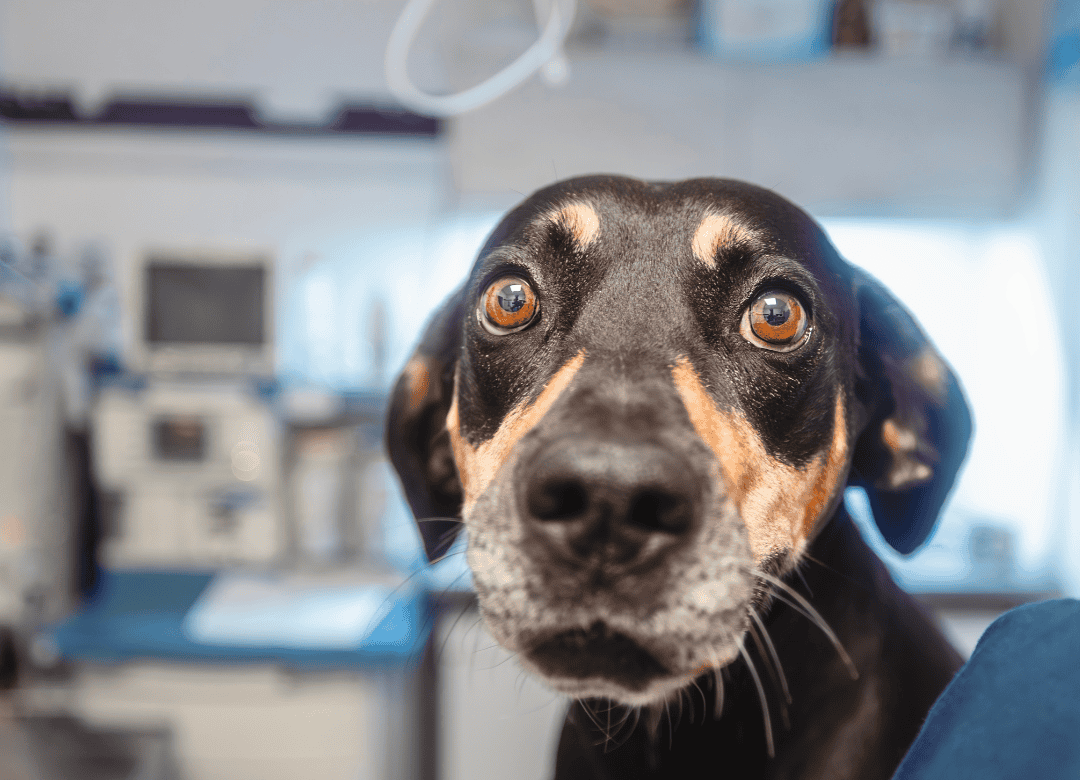
Once again, every dog is different. Also, the level of anxiety and trauma will be different. Henry’s journey has been a long and winding one. I spoke with his veterinarian many times about different things to try.
I’ve always been willing to try just about anything as long as the cure doesn’t hurt or make things worse. On this long road to find some relief, we’ve tried a multitude of remedies, including:
1. Safe space
Giving your dog a safe space is critical for anxiety. It can help more than you would even think possible. Henry has several spaces and uses them according to how he feels or his anxiety level.
However, if he’s very stressed, then he’ll go to his dog crate, I’ll put a cover over it with a towel or blanket, and sit next to him on the floor.
Generally, I place his heartbeat toy in the crate with him when he’s overly stressed.
Safe spaces are especially helpful during fireworks and thunderstorms because they reduce visual and sound stimulation.
This is a great dog crate like the one Henry loves.
2. Ear massage
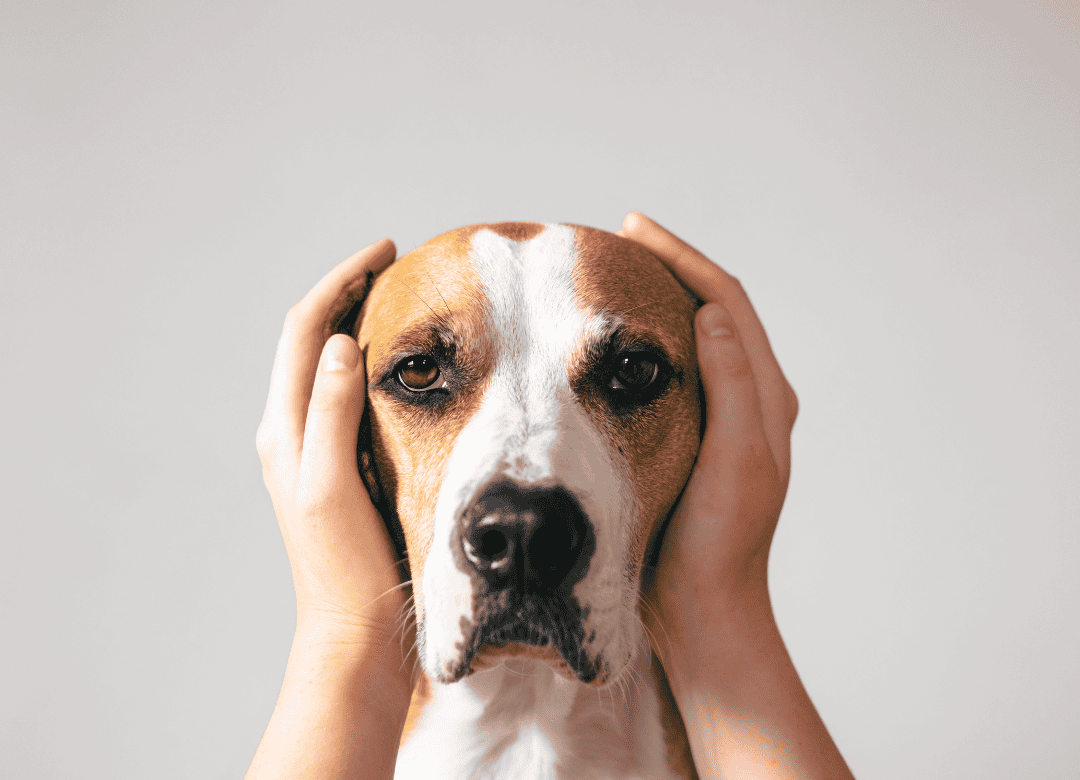
Massaging Henry’s ears did help a bit with his anxiety, but it didn’t eliminate a panic attack completely. It basically knocked his anxiety down a few degrees, but that wasn’t good enough for me.
3. Heartbeat pet toys

Henry was gifted a dog toy that beats like a heart for Christmas. I was certain it was going to be a flop since he hates dog toys. But this heartbeat dog toy works amazingly well for Henry. Honestly, I’m still in shock over this one. But there is some science behind it. The heartbeat is supposed to remind pups of the calm they felt with their dog mom.
Henry must’ve had a great dog mama. He goes from panic to calm in no time with this dog toy. I turn it on, and he curls up with it, rests his head on it, and falls asleep.
Henry’s heartbeat toy is one of the first things I reach for during fireworks season.
Here’s a heartbeat stuffed dog very similar to the one Henry uses.
One more note on Henry’s trauma. About 1.5 years after I adopted Henry, he was brutally attacked through a friend’s backyard fence. He nearly lost his eye and his life. Since then his anxiety has gone up a few notches. I think mine has gone up about 20 notches.
Want to learn more about heartbeat toys for your dog? This article breaks it all down.
4. Cuddler bed
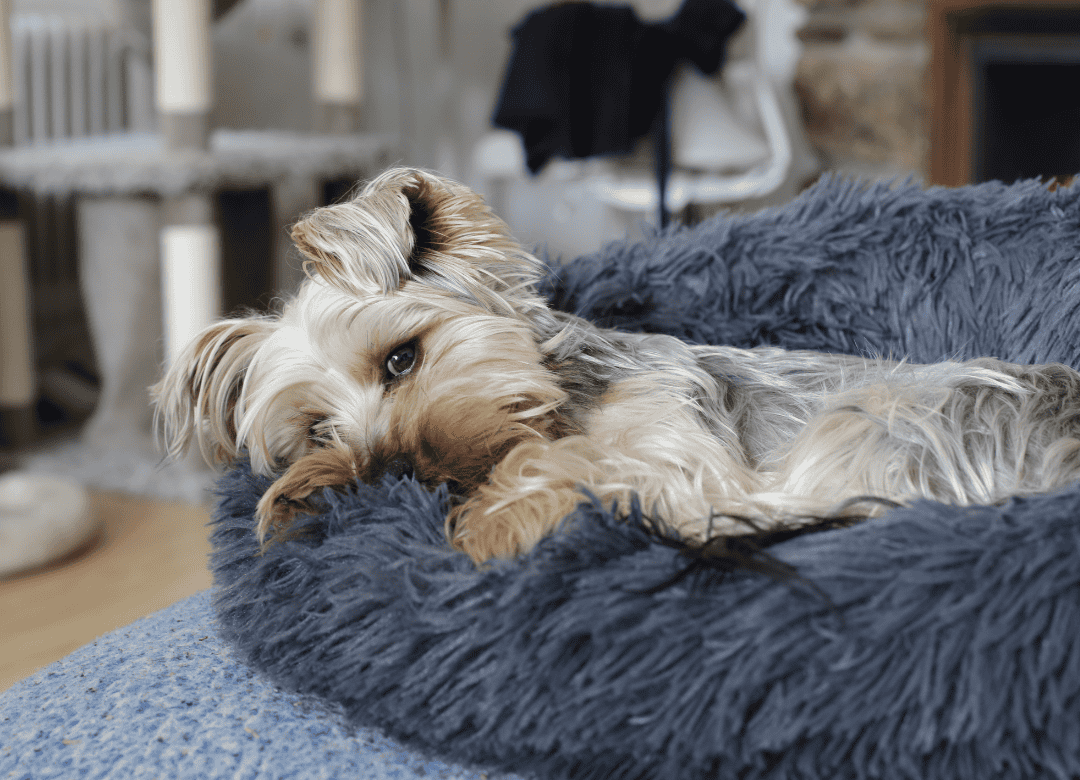
A cuddle bed can give your dog security. Henry loves his! Actually, Henry has four cuddle beds. I know, I treat him like a king. But then again, that’s why I call him King Henry.
This bed is just like Henry’s cuddler.
5. Calming shirts
While they work well for some dogs, they made no dent in Henry’s anxiety. However, Henry’s best doggy friend loves her calming shirt, and it definitely helps her anxiety.
Many dog parents find calming shirts most effective during fireworks displays and severe thunderstorms.
Here’s where you can get a calming shirt.
6. Calming Spray collars
These are supposed to spray a calming spray (mostly chamomile) to get your dog to a zen state. While it’s a fabulous theory, it had no effect on Henry.
7. Herbal remedies
Some herbal remedies work fabulously for dogs with anxiety, but sadly not for Henry. I think I’ve tried every type, but not every brand.
8. Calming supplements
There are many pet-calming supplements on the market. Some are in the form of pills that you must administer to your dog orally. Others are in powder form that you sprinkle on food. My favorite, by far, and Henry’s favorite, are in the form of dog treats. These are the calm cookies that work well for Henry.
9. Cooling vest
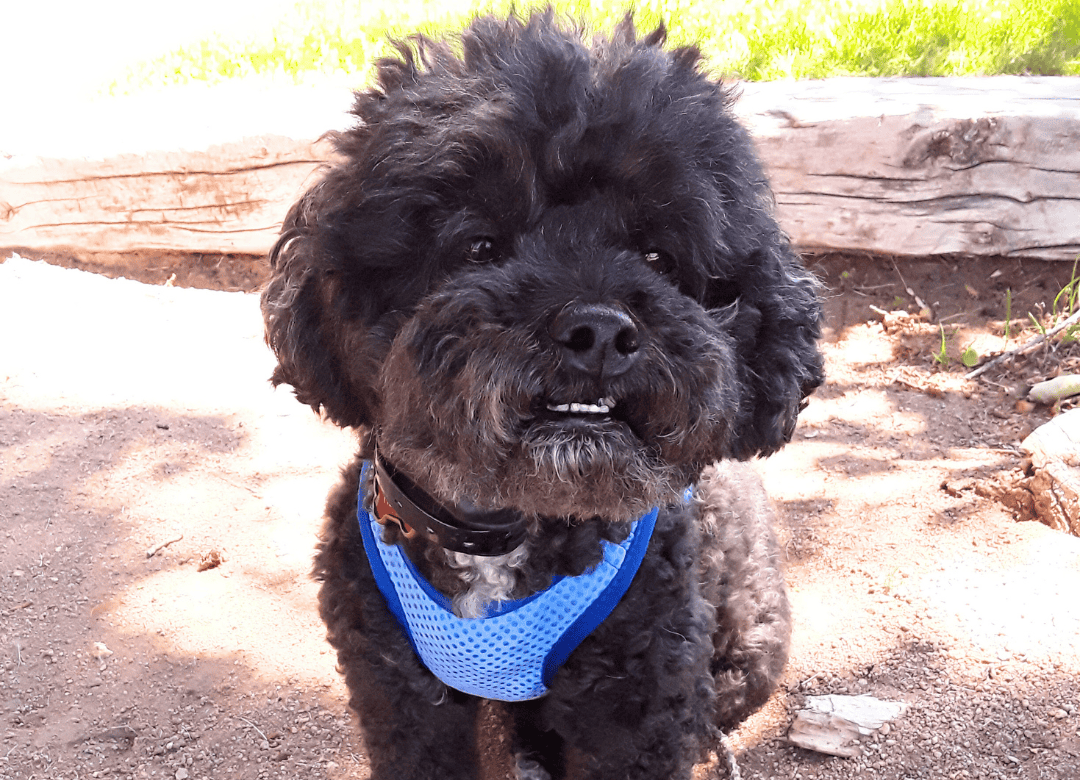
When Henry is stressed, he often begins to overheat. While a cooling vest doesn’t necessarily address the anxiety, it does help with the symptoms of being hot. As such, it does seem to help calm Henry in combination with other aids.
This is a cooling vest your dog will love.
10. CBD/Hemp oil
This seems to work like a charm for some dogs. I have to admit that at times, if Henry isn’t having a really bad attack, it does help somewhat. But it still doesn’t eliminate the anxiety completely.
11. OTC calming medications
My vet recommended an OTC calming medication called Zylkene by Vetoquinol. While it worked for several months, it doesn’t help much now. However, it may help your dog. It was very effective for months. However, these are capsules. So, I broke the pills open and mixed them with pumpkin to encourage Henry to eat all the pill contents. That was a good trick.
12. Prescription calming medications
I had to think hard about giving Henry an actual prescription. But when I would see him pacing and panting in a full-on attack, I knew my choice. This did help. However, the problem was that it made him loopy for a few days. That’s no good!
How to Calm a Dog During a Panic Attack
If your dog is having a panic attack, the goal is to reduce stimulation and help them feel safe. Move them to a quiet area, minimize loud noises, offer familiar comfort items, and stay calm yourself. Some dogs also benefit from calming treats, pressure wraps, or veterinarian-approved medications.
While you will most likely have to do a trial-and-error process as I did with Henry, I have found a combination of products that work for him. Currently, when Henry gets scared by fireworks or some other environmental issue, this is what I do:
- I move his dog crate near me and cover it with a towel
- Place his heartbeat toy either inside or on top
- Give him a calming mushroom treat
- Place his cooling vest on him
This recipe works like a charm. Even during our last fireworks, he was very calm with this recipe. To be honest, the noise bothered me more than it did Henry.
This routine works because it addresses several aspects of Henry’s anxiety at the same time. His covered crate gives him a safe place to retreat, the heartbeat toy provides comfort, the calming treat helps him relax, and the cooling vest seems to reduce some of his physical stress response. While every dog is different, combining solutions may be more effective than relying on a single product.
If your dog’s anxiety remains severe despite trying multiple solutions and working with your veterinarian, an animal behaviorist may be able to identify additional triggers and develop a customized treatment plan.
Why Combining Solutions Often Works Better
Usually, a dog has multiple reactions to anxiety. So, addressing each, once you discover them, may be exactly what your dog needs.
Henry’s calming routine works because it addresses several aspects of his anxiety at the same time.
- Covering his crate gives him a safe place to retreat
- His heartbeat toy provides comfort
- The calming treat helps him relax
- His cooling vest seems to reduce some of his physical stress response
While every dog is different, combining solutions may be more effective than relying on a single product.
How Do I Save Money When I Calm My Dog With Anxiety?
You may think that your dog is just stressed out. But a dog in a panic attack can escape or even hurt themselves trying to get somewhere that he thinks is safe. This can mean your dog is lost or you’re left with a large emergency vet bill. Also, your pup could become destructive when experiencing anxiety and end up shredding your couch. As such, consider the following possible expenses.
| Emergency vet visit | $15 – 3,000 |
| Destroyed furniture or property | $150 – 40,000 |
| Lost dog | Heartbreaking!!! |
| A happy calm dog | PRICELESS!!! |
Note: Before buying multiple calming products, introduce one solution at a time. This makes it easier to identify what actually helps your dog and prevents spending money on products that don’t make a difference.
Frequently Asked Questions About Calming Anxious Dogs
Can you calm a dog naturally?
Yes! I use natural remedies for Henry, which include a safe space, crate, heartbeat toy, and calm mushroom treat.
What is the fastest way to calm an anxious dog?
If you can remove the trigger that’s causing the anxiety, then that usually works best. For example, if your dog starts when you pull into the vet clinic, then try a mobile vet.
Do dogs grow out of anxiety?
Yes, dogs can grow out of certain triggers. For example, a small puppy may be scared of big dogs, but once they get bigger, they no longer find them scary. But some dogs may also get more anxious as they get older. This can be due to a lack of mobility, vision, health issues, or even cognitive decline.
Should I comfort my dog during a panic attack?
Never force your dog to do anything they don’t want to do, especially when they are scared. But also, speaking to your dog in a calm voice and gently petting your pup can help. Henry always wants to keep a hand on him until he relaxes a bit. It’s actually very sweet!
Related articles:
- The Keys To An Aggressive Dog
- Cuddly Cute! A Dog Heartbeat Stuffed Animal
- Creating Dog Safe Spaces: Easy and Cheap
- Dog Won’t Take Pills? Easy Solutions Revealed!
- Dog Trainer vs Behaviorist: Who Will Unlock My Dog’s True Potential?
- Dog Cooling Vests: Do They Really Work (and Are They Worth It?)
You Can Calm A Dog, Even If They Are A Stressed-Out Pup
Learning how to calm a dog often requires patience and experimentation. Some dogs respond to environmental changes like a safe space, while others benefit from calming supplements or prescription medications.
The goal is to identify the combination that helps your dog feel safe and secure during stressful situations.
I couldn’t be more impressed and surprised with the results I’ve seen in Henry with his safe space, dog crate, cooling vest, calm Real Mushroom treat, and heartbeat toy.
I know dog anxiety is a difficult issue to solve for most pet parents. Even though most dogs suffer from anxiety, finding the right solution is a journey.
The bottom line is to keep trying different remedies or even combinations of remedies until you find what works best for your canine companion. That’s what I did for Henry, and I’m glad I didn’t give up on finding the right solution for him. I know he is as well.