
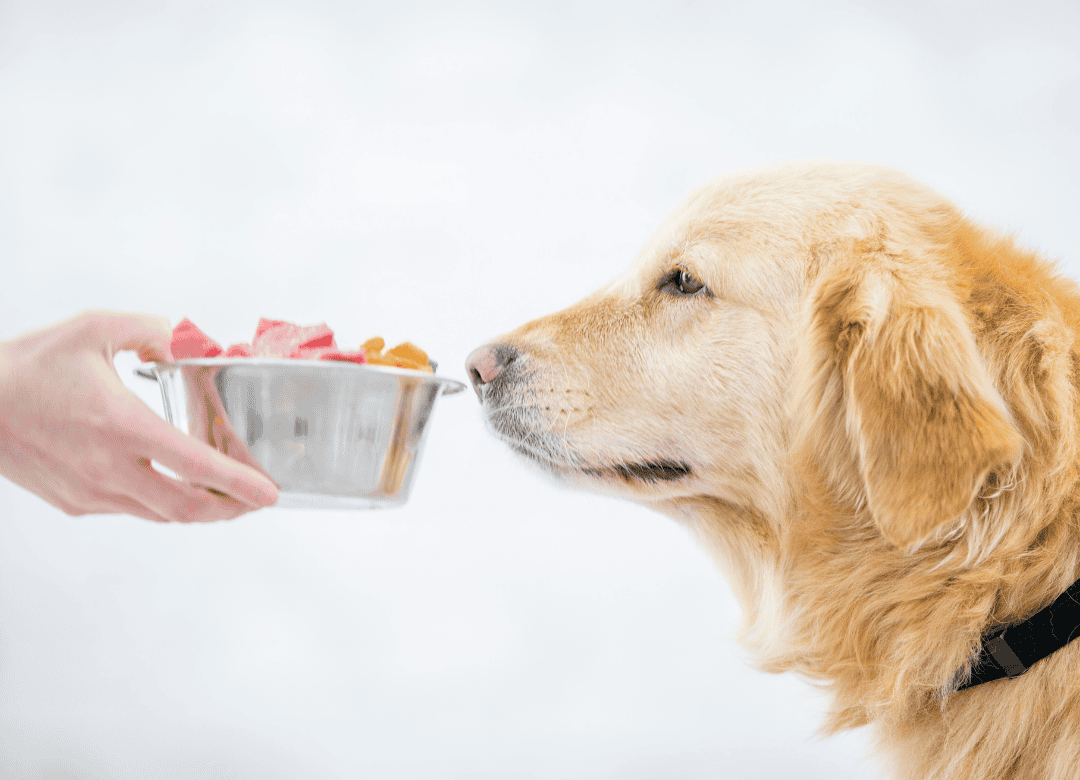

Your dog begs for dinner. You fix it and then notice that a third of it was left.
A dog not finishing food can definitely worry pet parents. But does your dog not eating all their food really mean something is wrong?
I’ve noticed my dog, Henry, leaving food behind after a meal. There are reasons for this behavior and even signs that will tell you it’s time to worry.
NOTE: If you are worried or your dog has other symptoms beyond leaving food, call your vet.
As an Amazon Associate, I earn from qualifying purchases. I may get commissions for purchases made through this link. Learn more here.
📌 PIN FOR LATER!
Budget tip: Finding the reason why your dog is leaving food and making adjustments as needed keeps your buddy healthy and your wallet happy. It may take a bit of sleuthing to discover the reason, but it’s worth it. Even a visit to the vet or a pet behaviorist to solve an issue before it becomes a major problem is always money well spent.
Why Is My Dog Not Finishing Food? (Quick Answer)
There are normally a few reasons why your dog doesn’t finish his food. The main reasons are:
- Overfeeding
- Too many treats
- Changes in routine or added stress
- Picky eating habits
- Bored with food
- Upset stomach
- Dental or health issues
Generally, if your dog only occasionally skips a meal or leaves food behind, I’m not concerned. But if a decreased appetite is new and lasts for more than 24 hours with other symptoms, it’s time to call the vet.
When a Dog Not Finishing Food Is Usually Not Serious
Your dog might be simply being a dog. If your pup is behaving normally except for not finishing regular meals, it’s probably not a serious issue. Make sure your buddy is:
- Acting normally with everything else
- Drinking water as usual
- Still excited for treats
- Potty habits are normal
- Only occasionally skipping meals
When It’s Normal for a Dog to Leave Food Behind
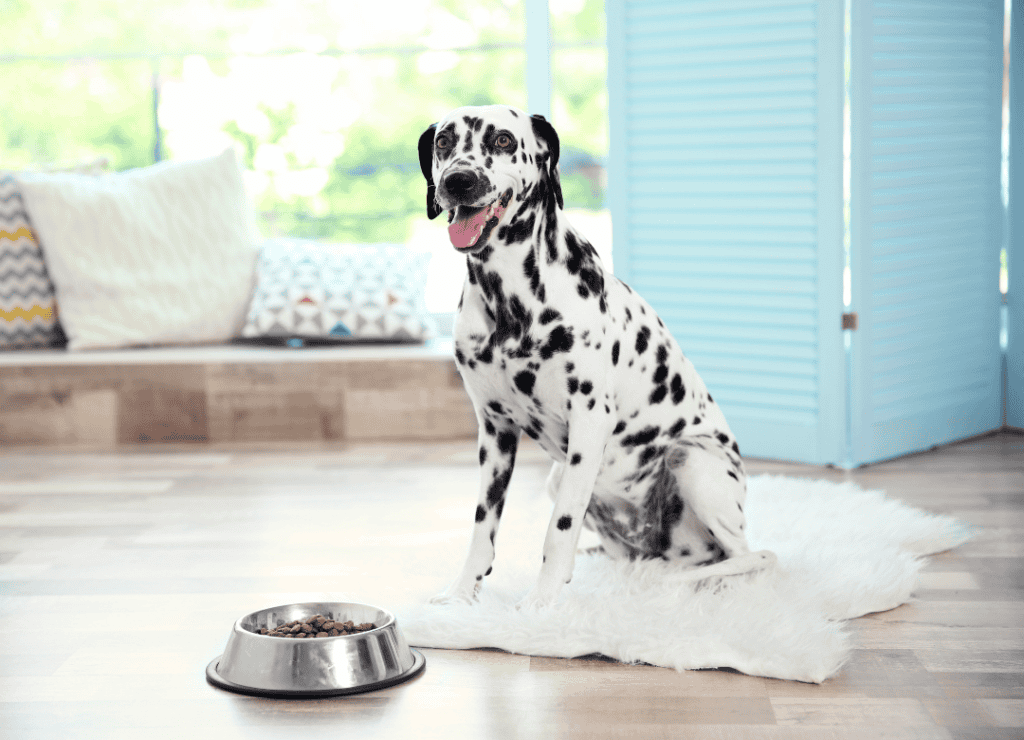
Some dogs are obsessed with food. But other dogs might be more toy-driven.
My dog, Henry, will never overeat. When he’s full, he walks away. Although if there’s a cookie, he won’t turn his back on it.
There can be other times when you may notice your dog not finishing food.
- Change in daily activity level. Henry always cleans his food bowl when he’s gone on a big hike.
- Age can decrease your dog’s willingness to finish his food. Senior dogs may develop a reduced appetite naturally.
- Weather can impact your dog’s appetite. Henry eats more in the winter than during the summer.
While it may give you pause to see your pup not eating all of his food, it can be perfectly normal.
Think about how much food you eat or don’t eat when it’s hot or when you’ve worked in the yard all day.
The same is true for your furry buddy.
9 Common Reasons Your Dog Isn’t Finishing Their Food
There are a few common reasons that will cause your dog to not finish his food.
1. Overfeeding Your Dog
If you are not measuring your dog’s food, it can be easy to put out too much or even too little.
Simple Fix: Measure your dog’s food carefully. This could even save you money.
The simple and easy act of accidentally overfeeding your dog can cause a multitude of issues. Explore them all and learn how to fix the problem in this article.
2. Too Many Treats or Table Scraps
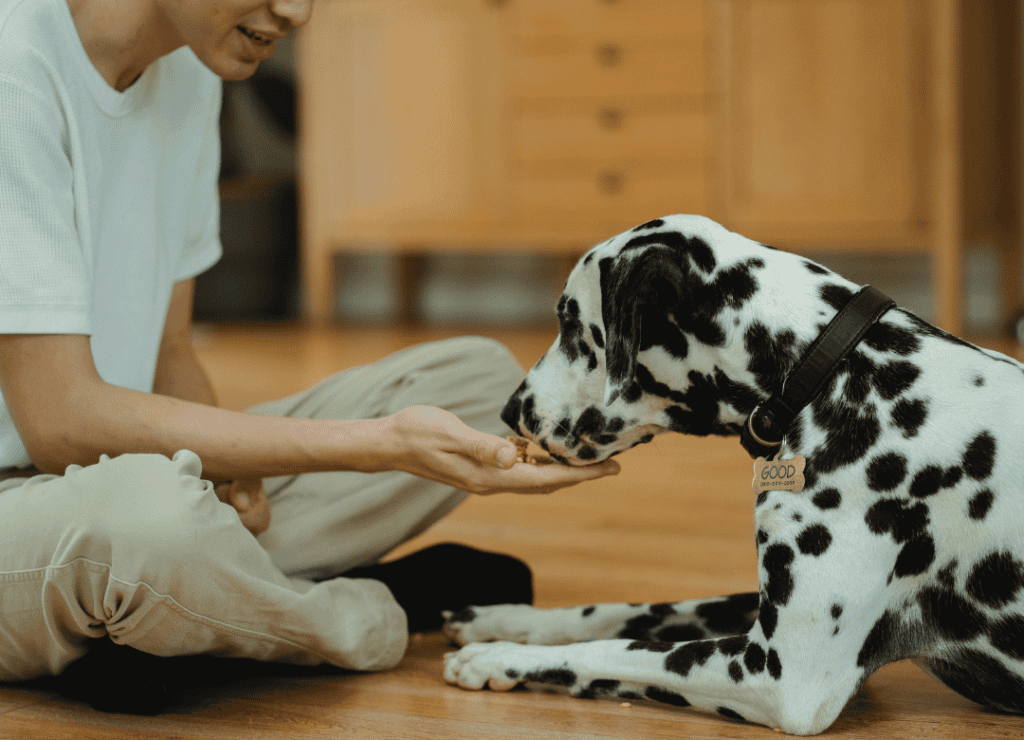
If your furry friend is used to getting table scraps or treats upon demand, then he knows there might be a yummier option than what’s in his regular dog food bowl.
When I adopted Henry, I quickly learned that his original family fed him from the table. It took about a month to get him to eat from his bowl. Henry is stubborn, but I quickly learned I had to be even more stubborn. Those eyes are tough to refuse.
Simple Fix: Count how many cookies your dog can get during the day. For Henry, it’s one. Then make sure your family doesn’t go over the limit. Avoiding table scraps is a good idea to prevent a fussy eater. Although giving your dog human food, such as a plain carrot or a cookie, in his bowl away from the table is fine.
Just like your mom told you, too many cookies can ruin your dog’s dinner.
3. Your Dog Is A Picky Eater
If you are always switching food or offering your dog something different, your furry friend can become a picky eater.
He may simply hold out until what he views as yucky brussel sprouts are replaced by an award-winning hamburger.
Yep, your dog is often a furry kid. So, you may need to gently introduce food to your pup.
Simple Fix: I know this one is tough, but you really do have to become more stubborn than your dog. Henry held out for a while when I adopted him, but he eventually learned there would be no table scraps and ate from his dog bowl.
There can be many reasons your dog is a picky eater. This article explores them all and how to fix them.
4. Stress or Changes in Your Dog’s Routine
Every dog will respond to stress and shifts in their environment differently. When Henry is having an anxiety attack, he won’t eat much until he’s settled down.
I generally will give him a calm cookie, his heartbeat toy, and his crate covered.
Your dog can pick up on changes in his environment and will generally react in one way or another.
Dogs are famously sensitive to changes in their routine. Consistency of a regular routine is comforting for your dog.
Henry always tells me when it’s dinner time. It’s routine for him to eat at 5 p.m.
Changes to your dog’s environment can include:
- A new baby, spouse, or visitor
- Moving to a new home
- Loss of a furry or human family member
- New smells or sounds
- Rearranged furniture
Simple Fix: Evaluate if there have been any stress triggers for your dog. A calm cookie, like the ones I use for Henry, can help. But if you can’t figure out why your dog has anxiety and your vet has ruled out medical issues, call an animal behaviorist. They are skilled at getting to the root cause of your dog and offering realistic solutions.
5. Boredom With the Same Food
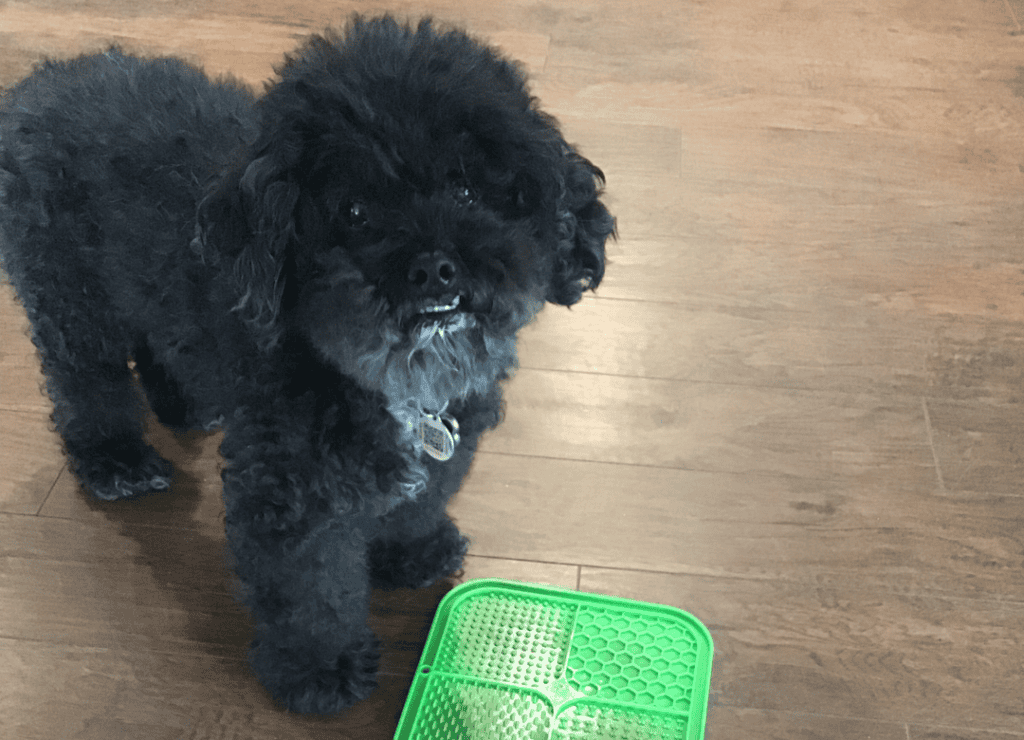
Some dogs seem less interested in the same food over time.
But don’t try to fix boredom by constantly changing food. That can cause an upset stomach and create picky behavior.
Simple Fix: You can add dog food toppers to your dog’s food or even add something fun to the mealtime, like a lick mat. Henry loves eating from his mats. But if this doesn’t solve the boredom, then talk to your vet about changing dog food.
These are the lick mats Henry enjoys at every meal.
6. Feeding Environment Issues
Sometimes the problem isn’t the food at all.
It’s the location of the bowl.
Evaluate if your dog is eating in a busy or noisy spot.
Although some dogs simply like company. Henry likes me to be nearby while he eats. If I move, he’ll stop eating.
Simple Fix: Evaluate where your dog eats. If it’s in a noisy or busy location, place the bowl in a quieter spot. Or if you discover your dog likes company, place the bowl next to your chair or wherever you will be for a bit. If this doesn’t help, then talk with your vet or call a dog behaviorist.
7. Upset Stomach
Sometimes, if your dog has an upset stomach, he may leave food in his bowl or not want to eat.
Digestive sensitivity can absolutely impact appetite.
I know I don’t like eating when I have a stomachache. Your dog is the same way.
When Henry has a tummy ache, he always leaves some food in his bowl.
Simple Fix: If you suspect your dog has a stomachache, is eating grass, or has a tight abdomen, then wait for the next feeding and see if your dog is more interested. But if your dog still doesn’t want to eat or has other symptoms, call your vet.
8. Dental Pain or Discomfort
If your dog doesn’t want to eat at all or only a bit, there could be a dental or mouth issue. A sign you may have a mouth issue is if your dog refuses his favorite cookie.
Just as it hurts to eat when you have a toothache, the same is true for your dog.
Best Fix: Call your vet if you suspect a tooth or dental issue.
9. Underlying Health Issues
There can be times when your dog has a medical issue and doesn’t feel like eating.
Stay calm, though, until you know what is going on with your dog. Your dog can pick up on your emotions.
Best Fix: It’s always best to catch a medical issue early, so when in doubt, call your vet to rule out or in any health issue. Then you can address any health problem appropriately.
What to Do If Your Dog Isn’t Finishing Their Food
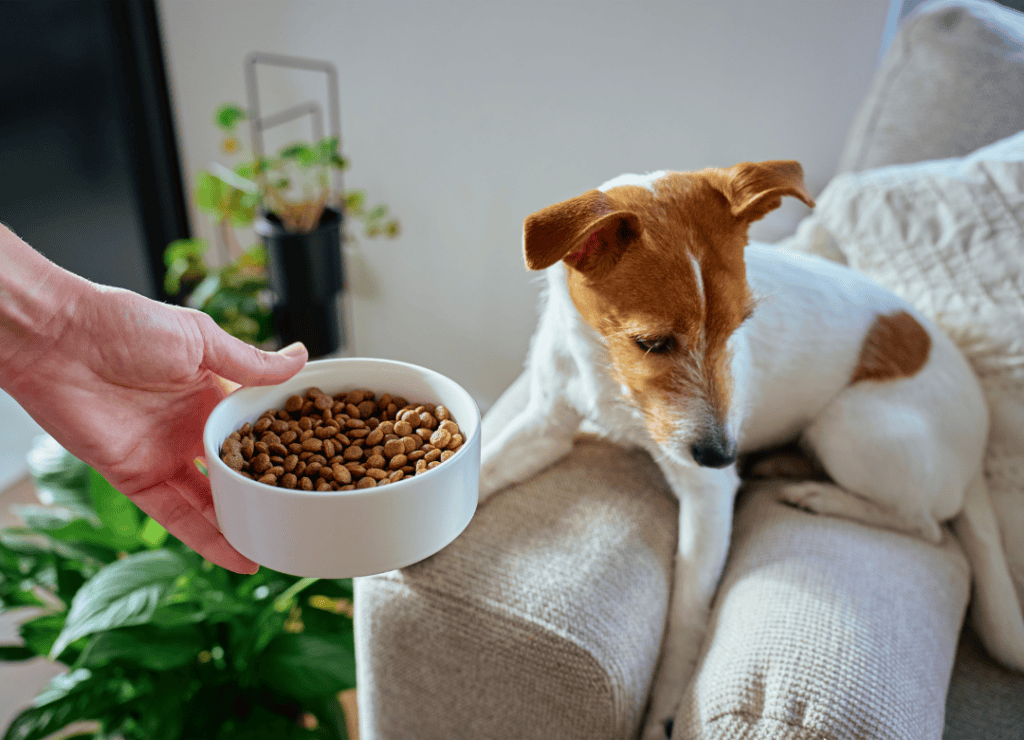
It may take a bit of detective work to determine why your dog isn’t finishing his food.
You may want to:
- Measure dog food carefully
- Reduce the number of dog treats
- Stick to a regular feeding routine
- Pick up dog food after 15-20 minutes
- Avoid constantly switching pet foods
- Locate the dog bowl in a calm spot
- Ask your vet about dog food toppers
What Not to Do When Your Dog Stops Finishing Food
I know it can be stressful when you see your dog not finishing his food. But there are a few things you want to avoid when you notice food being left or an appetite loss.
- Don’t switch to a new food immediately
- Don’t hand-feed your dog (unless for medical reasons)
- Don’t try to spruce up every meal with toppers or cookies
- Don’t freak out. Try to stay calm. Dogs know when you’re stressed.
When to Be Concerned About A Dog Not Eating
There are times you will need to call your vet. Most of the time, a cause for concern will happen when you see a change in appetite along with other dog health issues. This includes symptoms such as:
- Not eating for 24+ hours
- Vomiting
- Diarrhea
- Lethargy
- Weight loss
- Drooling
- Labored breathing
Appetite changes are often one of the first signs that something feels off physically or emotionally for a dog.
NOTE: Senior dogs can have a change in appetite for many reasons. It could be health issues, a medical problem, or something else.
Trust your instincts. If you don’t see any additional symptoms with your dog not eating, but you feel there is something wrong, call your vet. When it comes to your best furry buddy, it’s always best to be safe.
| Symptom | Call Vet? |
| Skipping one meal | Usually no |
| Vomiting | Yes |
| Diarrhea | Yes |
| Refusing treats | Yes |
| Lethargy | Yes |
| Mild stress after travel | Monitor |
The Hidden Cost of a Dog Not Finishing Their Food
While wasting less dog food can save money, ignoring the reason your dog isn’t eating can sometimes become expensive later. If you’ve been overfeeding your dog, there can be other money-savers when you make adjustments or call a vet or pet behaviorist. Consider the following possible expenses for a moment.
| Possible Issue | Estimated Expense |
| Wasted food from switching foods | $30-100 |
| Health issues from overfeeding | $30-6,000 |
| Bored dog becoming a destructive dog | $5 – 40,000 |
| Less money spent on treats | $5+ per month |
| Avoiding a toothache or tooth extraction | $100 – 3,000 |
| A happy dog finishing his food | PRICELESS!!! |
FAQs About Dogs Not Finishing Their Food
Why is my dog not finishing his food but acting normal?
If your dog is acting normally but leaving food in his bowl, then you could be overfeeding. Sometimes, dogs will quickly eat and then get back to life as a dog, which could be playing with a new puppy or a favorite toy.
Should I take my dog’s food away if they don’t eat it?
Experts generally say that it’s never a good idea to leave food out all day for your dog. It can create picky behavior. Give your dog 15-20 minutes to eat and then pick up the dog food.
How long can a dog go without eating?
Dogs can safely go 24-36 hours without eating. But honestly, I wouldn’t let my dog go without eating for more than 24 hours without calling the vet. I’d rather be safe and catch something early.
Why does my dog eat sometimes but not always?
Dogs normally fluctuate their appetite with the weather and activity. If your dog is only occasionally not eating, it probably isn’t an issue. Always bring up any changes with your vet on appointment days.
Is my dog just being picky?
Some dogs can certainly be picky. More than 50% of dog owners say their dogs are picky eaters.
Henry was when I adopted him. Even if Henry’s bowl is too small or has printing on the bottom, he won’t eat.
If your dog is behaving normally but not willing to finish or eat his food, make sure he’s not being overfed or getting too many cookies. If your dog still doesn’t want to finish his food, talk with your vet.
Should I change my dog’s food?
Switching food constantly can cause an upset stomach and create picky eating behaviors. When you change food often, your dog may wait for something better. Your buddy knows you’ll try something new tomorrow.
Can stress cause a dog to stop eating?
Absolutely! If your dog has anxiety, he may not feel like eating or finishing his food. I dog-sat a Newfoundland dog many years ago who had severe separation anxiety. He wouldn’t eat unless I sat next to him and calmly talked to him. His owners were always shocked that I could get him to eat.
Why is my dog suddenly not finishing his food?
There can be a few reasons for a sudden change with your dog leaving food. It may involve:
- Stress
- Routine change
- Weather
- Too many treats
- Medical illness
- Dental pain
Related articles:
- Behaviorists for Dogs: Miracle Workers for Mischievous Mutts
- Is Overfeeding A Dog Harmful?
- Dog Daily Routine Behavior Problems: How Small Schedule Mistakes Create Big Issues
- Picky Eating Dog? Unlock the Secret Solutions
- Easy And Effective Low-Cost Dog Dental Care
Final Thoughts On A Dog Not Finishing Food
It can be stressful to see your dog leaving food. The most common reasons, such as boredom or overfeeding, are easy to fix.
Finding the reason why your dog is leaving food is the first step. Then you can make any needed adjustments. It took me a while to convince Henry that he didn’t need from the table. He and I both adjusted. We’re both better off for it.
📌 PIN FOR LATER!


Great post, I am fortunate Nili is a food addict and will eat anything so I have no worries, she loves fruits and veggies (raw) which i put on her food as toppers which helps with her diet. This is a must post for those with picky eater dogs. AND….. cookie for Henry from Nili
I’ve had those food addicts as well. When they stop eating, it’s a huge neon sign. Henry has a threshold and will even walk away from cookies if he’s full. I’ve never had a dog like that before him. Henry loves fruits and veggies as well. I wish I had a garden and could add homegrown treats to his meals. I bet Nili loves her toppers. Henry’s always ready to share a cookie with Nili.
Excellent article, Terri! I’ve had this happen a few times with my huskies. As you stated, it can range from something minor to something major. I’ve experienced both…When we relocated from our home (of 30 years), we had just two of my FiveSibes remaining as our other three had journeyed to the Rainbow Bridge by this time. And although Wolfie and Bandit were now seniors, they were healthy. But the move did cause Wolfie (who already had anxiety issues), to refuse to eat, and he had some vomiting and “d.” Luckily, with vet prescribed tummy medication (metro), calming cookies, and some extra comfort and encouragement, all helped him, and thankfully he was fine, went back to eating normal, and adjusted to our new place. So stress is definitely a factor! (Now Bandit, she adjusted immediately! But that was her and how she rolled! Nothing bothered her, bless her heart!)
On two sadder, serious notes, our resident “chowhound” Chloe, who loved her food and treats more than any dog I’ve ever had (!!!) suddenly stopped eating. At first I thought it was a little tummy issue, and she did get the tummy medicine (metro), but after about 48 hours, I had the vet came to check her out, it was the worst news…she was in sudden liver failure and she needed to be helped to cross the Rainbow Bridge. What?! That absolutely crushed me. I still am so shocked and hurt by the memory. How could she have had an excellent vet visit and bloodwork just 4 months earlier? I felt so guilty that I let I her go 2 days, but the vet informed me there was nothing that could have been done for her. Still brings tears to my eyes. It came on so quickly. I couldn’t fiure out how or why, but she was on a lot of medications when she was young after she blew out both legs jumping up on a bed. She had to have an emergency double imbrication surgeries for her CCLs. One of the worst cases the surgeon had ever seen, and he was the state’s police vet! We had saved her (and her two siblings) from a backyard breeder (who is thankfully shut down), and a few years later Wolfie needed his legs done, so we chalked it up to poor breeding. It still hurts that was the way she went as she was the sweetest and so loved to eat.
Then, there was when my boy Gibson (my epileptic husky) stopped eating…I knew it was not good news because like Chloe, he loved his food and treats…but in his case, as we discovered after, he had developed hemangiosarcoma. And his collapse came on fast…like one minute he was running, eating, and playing, the next he was hugging the water dish. I could only get him to drink water. Nothing else. He did get IVs, and I had him sleep right next to me for that week…until he was a bit stronger for surgery, but he’d only drink and eat tiny bites…we did get him strong enough for surgery, but sadly, he didn’t make it as they discovered he was full of cancer. Broke my heart into a million pieces. My first of the five to pass. I had never heard of that cancer before then. So like you stated, their eating is something folks need to notice. When things change, while at times it can just be them being finicky, just like us humans, right? But other times it can signal something is wrong. Again, to repeat what you said, call the vet–better to be safe than sorry.
Sorry for the book-length reply! This one hit close to home. I am sharing this important and excellent article with all of my readers! Hugs to Henry!
You have had so many heartbreaking events. I’m sorry this post triggered those memories. I know both Gibson and Chloe loved you dearly. Hold onto the good memories. Sending you hugs!
Sorry for the typos…it absolutely “crushed” me, not rushed me. I need coffee…
No worries. It happens to me as well. I corrected it. 😉