


Last updated on September 17th, 2026 at 04:57 pm
Most pet parents don’t wake up with a plan to add new dog daily routine behavior problems to their list of worries. Actually, many of us are doing what should be the right thing with longer walks, better food, enrichment toys, and consistent training.
Yet problems like digging, barking, chewing, and anxiety can still be an issue for our pups. I bet you never thought that your dog’s daily routine may be the quiet cause behind a lot of those behavioral problems. It’s generally not that we’re doing something wrong. Rather, it’s because small, inconsistent patterns in regular routines encourage stress and confusion for pups over time.
Even dogs that seem fairly well-behaved most of the time, like my buddy, Henry, can fall victim to inconsistent regular routines. Thankfully, you don’t need a perfect schedule or even more stuff to fix the issues. Let’s dig in and discover how to turn your dog’s bad behavior into tail-wagging good behavior.
📌 PIN FOR LATER!
Budget tip:
You often don’t have to spend any money to correct a routine behavioral issue. You just need to be consistent with daily routines. Then recognize when there may be an underlying issue. It can keep your dog healthy and happy while keeping your potential bills lower. That’s a major win-win!
Are you looking for ways to have a calmer house with you and your dog? This guide gives you ideas and inspires you to create your own. Get it here.
Why Dogs Depend on Routine More Than We Realize
Dogs thrive on predictability. My Henry certainly loves a predictable routine. Knowing what happens next in their day helps them feel safe, calm, and secure.
When routines change constantly, whether it’s meal times, exercise, rest, or attention, your dog may not show stress right away. Instead, it dominoes as behavior problems that feel unrelated, such as:
- Destructive chewing
- Constant licking
- Digging or fence jumping
- Barking or pacing
- Sudden anxiety or restlessness
- Out-of-character aggressiveness
Humans may look at the day as being influx and feel fine with it. For example, I may say to myself I’ll cross the first three things off my to-do list and then take a break. That time can vary from day to day, but I’m good with the variations. I’m task-focused, not time-focused so much. But to dogs, even my Henry, that can feel like an unpredictable life and create stress or a behavior problem.
5 Daily Routine Mistakes That Trigger Behavior Problems

1. Inconsistent Physical and Mental Exercise
If you tend to be flexible with walks and do one long walk one day, nothing the next, and a short five-minute stroll the next day, it could be adding to your pup’s behavioral issue.
While you may think it’s good to adapt to your busy week or weather, your dog often has a difficult time adjusting to flexible exercise times. Even a fun adventure-filled weekend for your pup, followed by a quiet week, can feel unpredictable and stressful to your buddy. Eventually, it can lead to an unwanted behavior.
Dogs don’t just need movement to stay healthy. They need consistent outlets for both their bodies and their brains. Big swings in activity can leave dogs overstimulated one day and under-stimulated the next. This can then result in a “bad” or problem behavior popping up out of what seems like thin air.
2. Too Much Stimulation, Not Enough Rest
While stimulation is good. Constant noise, visitors, kids, TV, errands, and activity can leave your furry friend overly tired.
You may be surprised that an overly tired dog may not relax as you’d expect. Instead, your buddy may act out in the form of excessive barking, endless night zoomies, aggressive tendencies, or another undesirable behavior.
While you may think that rest will happen naturally, your fur kid may need a bit of encouragement. For example, if Henry’s overly tired, he may pace a bit at bedtime. Often, I use cuddle time at night as a way of behavior modification for him. It helps settle him down and encourages him to rest.
3. Feeding With No Structure
Free-feeding or wildly changing meal times removes a built-in anchor from your dog’s day. Honestly, this can be a big issue with a time change or when it suddenly gets dark early with a storm.
Henry, even months after our time change, asks for dinner about an hour early. But I keep a regular and predictable dinner routine of about 5 p.m.. It helps him to realize that meals will come at a certain time.
Also, predictable meals help regulate energy, digestion, and behavior. Meals can be a great (but often missed) opportunity for calm dog training, enrichment, or mental stimulation. Henry loves training, and using mealtime as a training session helps him engage with those times of day.
4. Long Boredom Stretches
Sleeping all day isn’t always a sign of contentment. It can be a sign of boredom. Also, it can be more noticeable with senior dogs or ill pups.
However, dogs left alone for long stretches of time with no mental engagement often create their own activities, such as digging, chewing furniture, barking at every sound, or trying to escape the yard.
5. Only Responding When There’s a Problem
If attention, interaction, or engagement only happens after “bad” behavior, dogs learn quickly how to get a response, which may encourage the behavioral problem.
This isn’t an obedience problem but rather a communication issue.
How Small Routine Issues Turn Into Bigger (and Costlier) Problems
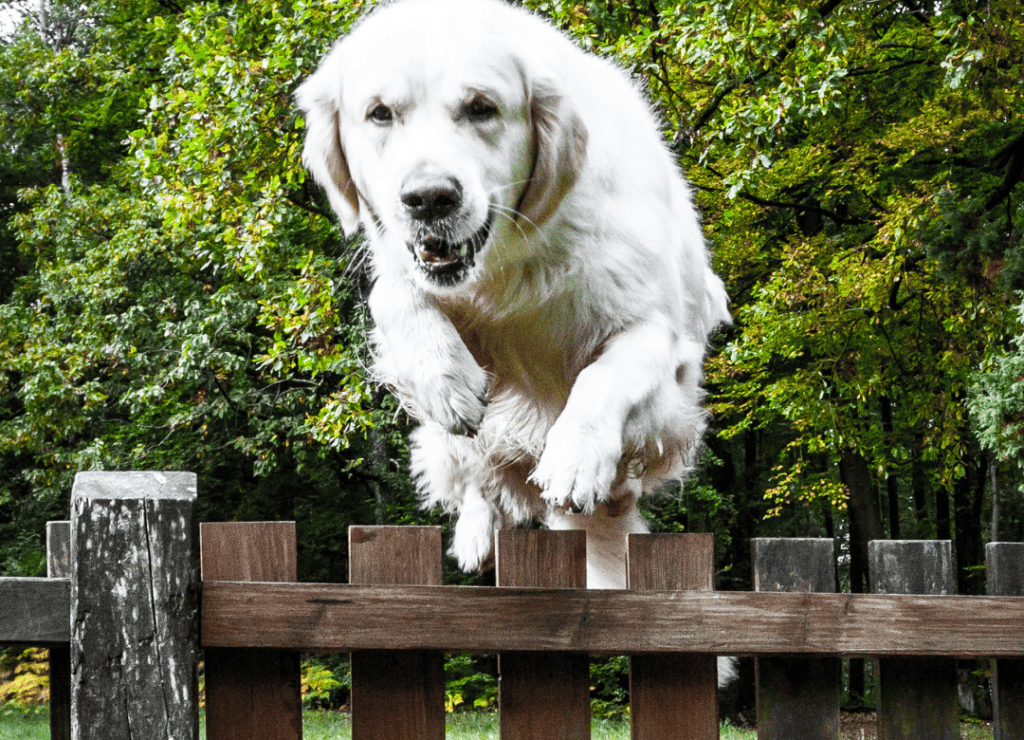
Over time, routine-related stress can snowball into such issues as:
- Anxiety behaviors
- Injuries from escaping or jumping
- Damage to your home or yard
- Stress-related vet visits
- Personality change to aggression
These issues often feel sudden, but a behavioral change usually builds slowly over time.
A Simple Daily Routine Reset (No Purchases Required)
You don’t need a rigid schedule. You just need predictable touch points throughout the day, which could be a new routine. Think of things like:
- Feeding within the same general window each day
- Including one short mental stimulation challenge daily (sniffing, puzzle feeding, dog training game)
- Building intentional calm time (that’s Henry’s cuddle time)
- Using consistent cues for winding down at night (Henry’s is his last pee, cookie, and lights out)
These small, steady patterns matter more than perfection.
When a Routine Change Isn’t Enough
If behavior problems continue despite consistency, it may point to pain, anxiety, or a deeper issue that needs professional support.
Routine fixes help, but they can also reveal when something else is going on with your pup. When you discover that there is more to the issue, contact your vet, trainer, or behaviorist.
Can fixing daily dog behaviors save you money?
Yes! You may be surprised that recognizing an issue and taking the proper steps to correct it can actually reduce future bills. Consider the following destructive behavior problems for a moment.
| Issue | Estimated Cost |
| Destructive chewing | $500 – 10,000 |
| Injuries with an emergency vet | $100 – 5,000 |
| Digging up the yard | Digging up the yard |
| Lost dog | $25 – 8,000 |
| Happy & Healthy Pup | PRICELESS!!! |
Want more ways to create a calm routine with your dog? This is what Henry and I do daily.
Related articles:
Wag Worthy Ways to Solve Dog Daily Routine Behavior Problems
📌 PIN FOR LATER!
I’m happy to report that many dog behavior problems aren’t simply about stubborn or untrained dogs. These issues are more about the daily patterns that quietly work against your dog’s needs.
All you need to do is recognize the issue and make a few thoughtful, consistent routine tweaks that can help reduce stress, prevent costly problems, and make life easier for both you and your furry buddy. But don’t worry too much if you mess up a day or two here and there.
I often make mistakes with Henry. The key is that I quickly recognize them and make the necessary adjustments. That’s all you need as well.


Fantastic article and one that every dog parent should read. I’m a big advocate of a daily schedule, not to the second but roughly similar times so they know what to expect. Whenever I rescued a new dog they would just slip right into the existing routine. This kind of consistency absolutely helps them feel secure and more relaxed.
Routines can be so helpful for both you and your pup. It does help to bring a sense of stability to a dog who’s been rescued like your pups and my Henry. Thank you so much for the kind, Hindy! I appreciate it!
I always forget to mention how I admire your idea of including the cost aspect to anything–that’s genious.
Routine is indeed highly important to dogs; predictability = security. Unless situations predict bad things–than predictability back fires.
Ironing out our communication with dogs and understanding of their needs is a key to happy relationship.
Thanks, Jana! I think it’s helpful for folks to know that there is a money factor when something is done. A bit of incentive. Having a good and routine relationship for our pups to rely on is essential.
I think many dog parents don’t understand the concept of routines enough, like feeding only when they notice the food or water bowl is empty but not on specific hours. It’s easy to overlook things like this if you’re unaware of the importance.
Exactly! Routines can help prevent undesirable behaviors and give your pup a sense of security and stability, which they should all have with their families.
Terri, these are such great points! I never give much thought to a minor change in feeding or walking times, but I can see how to my dog it can cause some stress. Jessie does get annoyed and will bark if dinner hasn’t arrived by a certain time!
Henry does as well. They are routine focused and we often forget that part of our pups. Thanks for the kind words, Cathy!
Terri this post is just what I needed as however much we are on schedule my problem with Nili is when I sit down she growls and wants attention and I cannot break that habit, she gets lots of cuddles, playtime, park time and I am at a loss with this habit and need suggestions. Thanks so much for posting this subject with the ideas etc.
I wonder if when you sit down to relax you could give her a kong, snuffle mat, or puzzle toy. She’s focused on you for her entertainment. So, it’s like watching your favorite show on TV, they get to the best part (or so you think) and the electricity goes off. WHAT??? Not now! That’s what she’s thinking, I’m certain. So, when you break, she breaks from you for her own entertainment. I hope this helps a bit.
Fantastic article, Terri! I *so* agree with routines…and as you stated, it does not have to be rigid, but I agree that there needs to be some type of daily routine. I was never one for free-feeding (not with 5!), and boy it was an exciting time when it was meal time! They also enjoyed their walks, exercise time, and snuggle time.
Same as children, routine truly does help to keep them be happy when they know what’s happening and what/when to expect. Of course, spontaneity is also good, but having structure and route is the backbone to success, understanding, and training, which equals happy dogs and happy dog parents!
It is so very constructive and good for their mental health (and ours!)
Excellent info. Love this…sharing with all my pet parents!
Structure is really the key. You nailed it, Dorothy! Thank you so much for the kind words and continued support! I really appreciate it!