
Your dog sees the car keys, and the shaking starts immediately. By the time you reach the driveway, they’re a trembling, panting mess, and you haven’t gone anywhere yet.
Most owners resign themselves to this nightmare, assuming car anxiety is just their dog’s permanent personality trait, when the reality is that car stress ranks among the most fixable behavioral issues in dogs once you understand what’s actually triggering it. The solutions that work aren’t complicated desensitization protocols requiring months of effort. They’re surprisingly simple adjustments that often produce dramatic changes within just a few trips. Dogs who hyperventilate through every ride suddenly settle. Dogs who shook uncontrollably start looking out the windows calmly. The shifts happen fast when you target the right triggers.
In this article, you’ll discover the specific techniques that eliminate car anxiety in dogs, which approach produces results fastest, and why the method that finally worked might be the most counterintuitive one you’d never think to try on your own. These exact tricks transformed car rides for my dog Henry from pure stress to totally manageable. Your dog doesn’t need to suffer through another panic-filled drive, and after this, they won’t have to.

Budget tip:
When you don't have to worry about your dog in the car, you aren't stress and you can more easily pay attention to the road. Also, you don't have to leave your pup home and pay for a pet sitter, dog walker, or kennel. That's all a major win-win for you and your pup!
What causes dog car anxiety?
There could be many reasons why your dog suffers anxiety in your car. Some could be due to dog breeds. Yes, unfortunately, certain breeds are more prone to challenges when traveling. These breeds include:
Beagle
Boxers
Border terrier
Border collie
Bulldog
Dachshund
Golden Retriever
Labrador Retriever
Pug
Staffordshire Bull Terrier
However, any breed can suffer from dog car sickness or be anxious in cars. Other issues which may contribute to your dog’s car restlessness can include:
Feeling trapped
Motion of the car moving
Sound of the car, passing cars, or loud noises
Not being able to see out
Sound of the car door shutting
Jiggling of car keys
Car scent
Inner ear infection
Past traumatic negative experiences related to a vehicle, such as a car accident
What are the symptoms of travel anxiety in dogs?
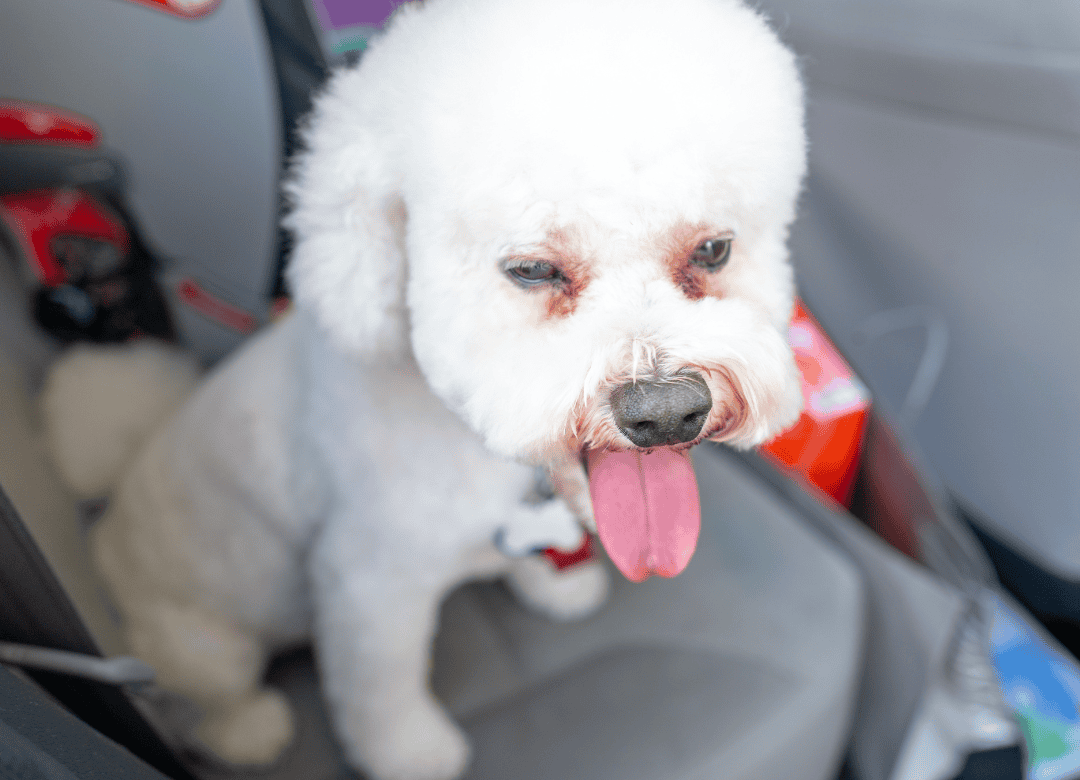
If you have an anxious dog while on a road trip, you may notice such symptoms as:
Panting
Excessive drooling
Yawning
Chewing
Not being able to sit
Whining
Barking
Growling
Licking paws
Shaking or trembling
Digging into car seat or kennel
Vomiting
How can I tell if my dog has carsickness?
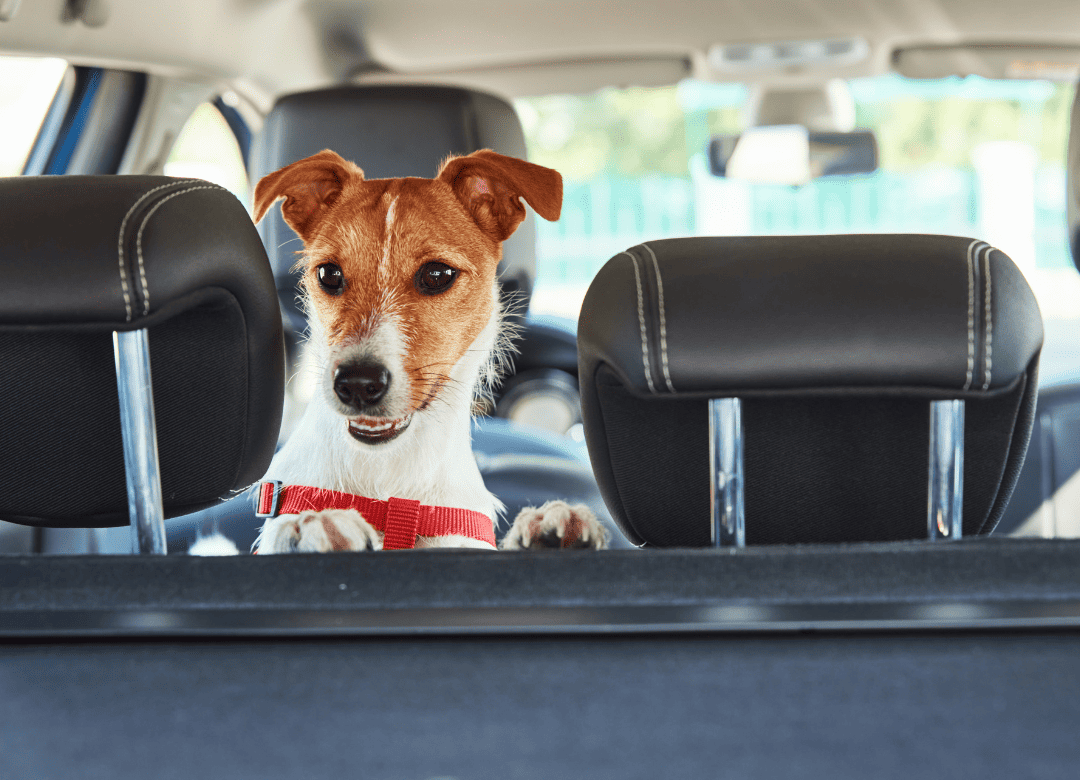
While anxiety may include carsickness, it doesn’t necessarily. These symptoms can include:
Excessively licking lips
Drooling
Whining
Panting
Defecating
Urinating
Vomiting
How do I discover the root cause of my dog’s anxiety while traveling?
You may not be able to pinpoint the exact cause without help from an animal behaviorist. However, you can certainly identify factors that make your dog’s anxiety worse.
For example, if the weather is bad and I need to turn on my windshield wipers, my dog, Henry will get more anxious. Thus, I know the noise and weather are triggers for him.
What are the effective ways to calm anxious dogs in cars?
Your dog may respond differently to different remedies. However, here are some ideas that have helped my dog and other dogs significantly.
Exercise your dog prior to departure. This will help release excess energy.
Feed your dog at least 1-2 hours before you leave in your car. This will reduce vomiting.
Use a cooling vest. When your dog is anxious, his temperature increases. So, keeping him cooler is a good starting point.
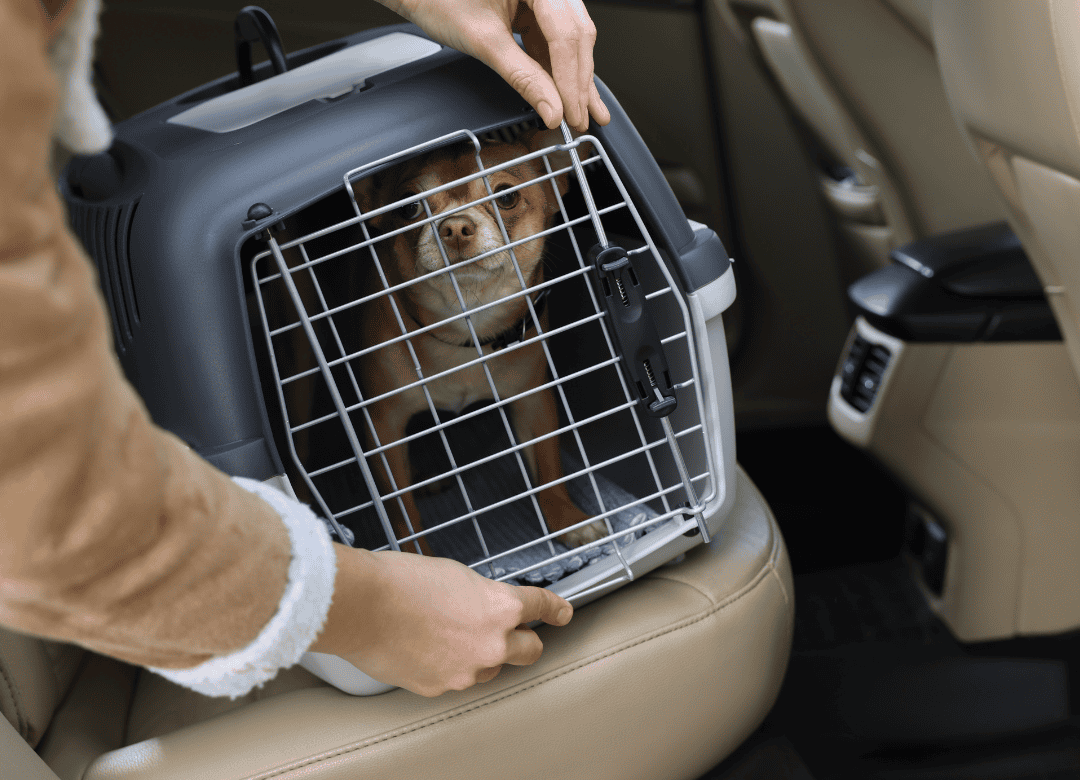
Secure your dog while traveling. Make sure you use a dog seat belt to ensure your pup is safely secure in your car seat. This can help prevent your furry friend from being ejected if there’s a car accident.
Also, securing your dog is required while traveling in many locations. You can do this with a safety leash or with a traveling crate or kennel.
Note: I highly recommend a dog harness to use with your dog seat belt.
Heartbeat dog toys are a game changer. Admittedly, I was uncertain of this idea, especially since Henry doesn’t like toys. But the sound helps to calm him. I place it near him, he’ll calm down, and often nap.
Use a calming aid. Finding a supplement that can help calm and reduce your dog’s stress while on a care journey is a major benefit. I give Henry these calm mushroom treats (which he loves) about 30-60 minutes before we leave on a trip.
Shady spot. If at all possible keep your dog in a shady spot within your car. This will keep your dog’s temperature down and calmer.
Talk calmly. Throughout the trip, continue to talk calmly to your dog. This helps to reassure your pup.
Keep the air flowing. Allowing your dog to stay cool is essential for motion sickness and anxiety issues. Cool air will help.
Give your dog the ability to see out. This simple trick can help tremendously for dogs with anxiety and carsickness. Heck, it helps with humans and carsickness.
Laying down is also good. Giving your dog enough room to lie down will help as well. For example, my dog will lie down and sleep for an hour or so.
Calm music. Playing some kind of calm music can help as well. It’s the soothing beats that help. With this in mind, steer clear of music with big booming beats or is overly loud. This can amp up anxiety.
What else can help with car anxiety in dogs?
First, keep in mind that you are driving with an anxious pup. So, drive carefully. Remember how careful you drove when you took your driving test? Drive that way.
To help, imagine there’s a box of eggs on your hood and you can’t drop them. That means no quick stops or abrupt turns.
The bonus is if you have a car insurance app, you may see your premiums decrease as your driving improves.
Desensitizing
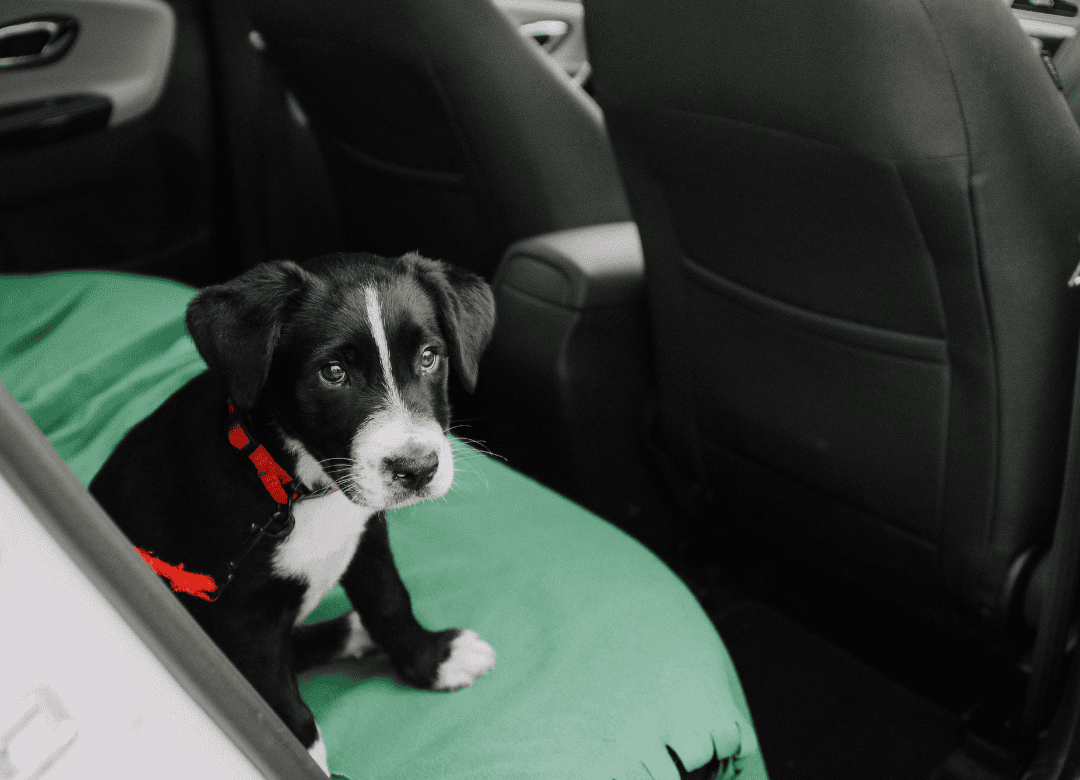
The idea of turning your dog from a scaredy cat to a zen pup in the car, is making the car ride a positive association. This means desensitizing your dog to car anxiety with short 5-10 minute trips around the block or to the dog park. Then slowly build up as the anxiety decreases. However, reward calmer behavior with treats and loves.
Positive reinforcement
Building on the idea of desensitizing is positive reinforcement. If your dog doesn’t suffer from carsickness, at least vomiting, then offer your pup a treat with each successful step.
For example, sitting in the car rather than standing should be rewarded. Not whining deserves a reward. Not panting also should warrant rewarding.
Basically, when your dog can go a short distance, even to the end of the driveway without exhibiting signs of anxiety he should be rewarded. You can give your furry buddy treats but don’t forget loving pets and a happy-toned and encouraging voice as well. This is how you help your furry companion with behavior modification.
This strategy will let your dog know that car travel is a good thing and has a positive association with a car ride.
Stop frequently
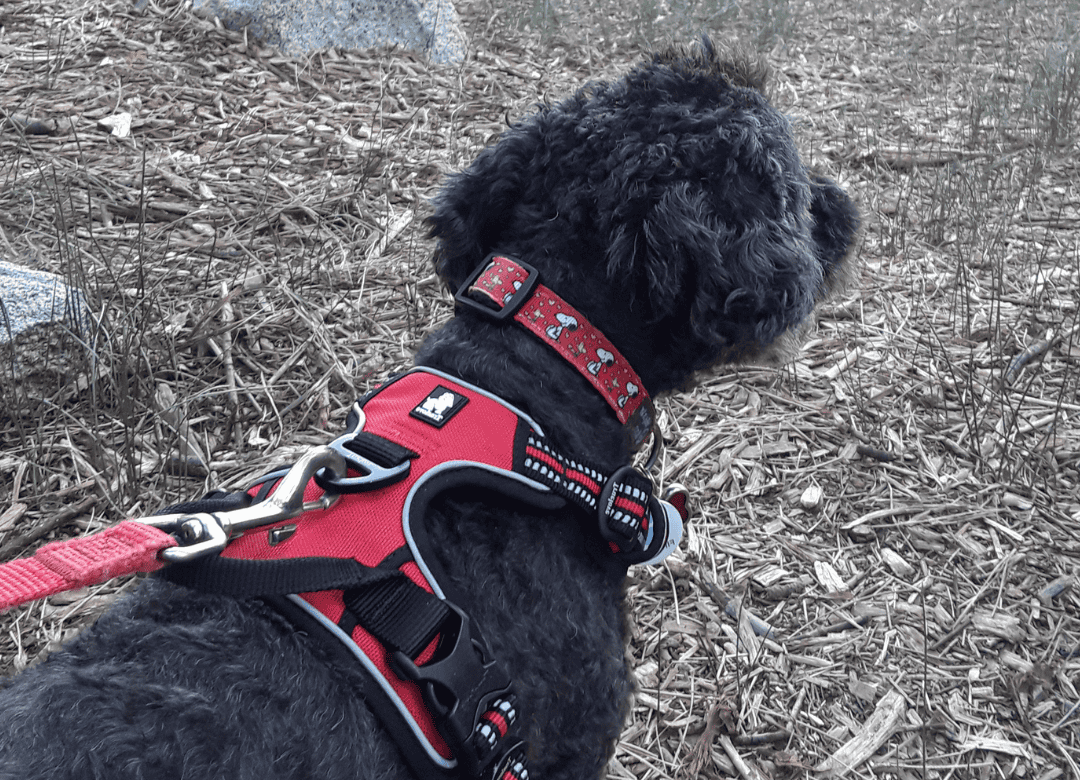
Also, you will still want to stop frequently to let your dog walk, have a potty break, and know that the ride isn’t endless. I like to stop about every hour. The bonus with stopping more is that your body doesn’t hurt as much when you arrive at your destination.
Water is important
Every time you stop encourage your dog to drink a bit of water. Dehydration can cause your dog to exhibit other signs of sickness that you want to avoid.
Note: Some dogs do well with anxiety shirts like Thundershirt. But honestly, a cooling vest, heartbeat toy, and calm aid do the trick for Henry.
Is there a money saving to calming my anxious dogs in cars?
This one may surprise you but yes, there are money benefits for helping your dog with car anxiety or carsickness. Consider the following for a moment:
| Issue | Approximate cost |
| Not boarding your dog while on vacation | $25 – 85/per night |
| Pet sitting | $23 – 74/per visit |
| Dog-walker | $20 – 30/per walk |
| Cleaning your car with vomit, urine, or feces | $200 – 350 |
| Not worrying about your dog while on vacation | BEYOND WORDS!!! |
| Having a calm traveling buddy with good pet health | PRICELESS!!! |
Related posts:
- Best Dog Travel Checklist
- Surprising Ways To Calm A Dog With Severe Anxiety
- 20 Steps For Dog Overnight Visits
- Cuddly Cute! A Dog Heartbeat Stuffed Animal
- Easy Dog Friendly Vacation Guide Tips
- Dog Car Seat Belt: Essential for Your Precious Pup!
- Behaviorists for Dogs: Miracle Workers for Mischievous Mutts
Goodbye Anxious Dogs in Cars, Hello Fun Furry Adventures!
Unfortunately, anxious dogs in cars and even dog car sickness are relatively common. But how you help your best furry buddy deal with it is not so common.
For example, you may find that just one of these tricks such as desensitizing your dog or a calm mushroom treat will be all that’s needed. However, you may need to experiment with finding the correct combination of these tricks for your dog.
But, if you continue to have issues, then consult your veterinarian or an animal behavior specialist for assistance. As for Henry, the combination that works well for him is being able to see out, being secure, stopping frequently, staying hydrated, having a cooling vest on, keeping the fan or A/C, his heartbeat toy, and a calm mushroom treat. Knowing the traveling tricks for your pup can make your adventures a lot more fun.