
You’ve come home to the puddle. You’ve told yourself it was a one-time thing. But pushing your dog’s bladder past its limit isn’t just an accident waiting to happen. It can quietly lead to real health problems over time.
Most dogs will hold it longer than they should because they have no other choice. That doesn’t mean they’re fine. It means they’re waiting for you to notice the signs.
Knowing your dog’s actual limit based on their age, size, and breed changes everything. Here’s what the research says and what most dog parents find out too late.
As an Amazon Associate, I earn from qualifying purchases. I may get commissions for purchases made through this link. Learn more here.
Budget tip: Letting your dog out for a potty break keeps your pup healthy, prevents UTIs (urinary tract infection) and bladder infections, avoids housebreaking setbacks, and reduces vet and cleaning bills. That’s a huge win-win for your and your furry friend!
The Short Answer: How Long Can Dogs Hold Their Pee?
While the ability of each dog can vary, in general, you can expect:
- Healthy adult dogs:
- Can hold it for 6–8 hours
- Some can manage up to 10 hours, but that doesn’t mean they should, just like adult humans shouldn’t either
- Puppies:
- Need much more frequent potty breaks, just like human children. Remember, a puppy is still growing and developing, which includes their bladder system.
- Senior dogs:
- Often need to go out more often due to age-related changes, other health issues, or even medications
Important: Knowing that your dog can “hold it” doesn’t mean your dog should hold it for hours on end. Making your dog wait too long can put stress on the bladder and urinary system, which can result in infections. Just as I’ve learned, accidents can happen even for house-trained pups.
Want to learn more about how to keep your dog healthy without compromising care? This free 5-day dog budget bootcamp will give you all the information to make simple changes and a big difference.
CRITICALLY IMPORTANT: Letting your dog wait 24 hours could result in your pup’s bladder bursting. If your dog hasn’t gone in 18-20 hours, contact your vet immediately!
How Long Can Puppies Hold Their Pee?
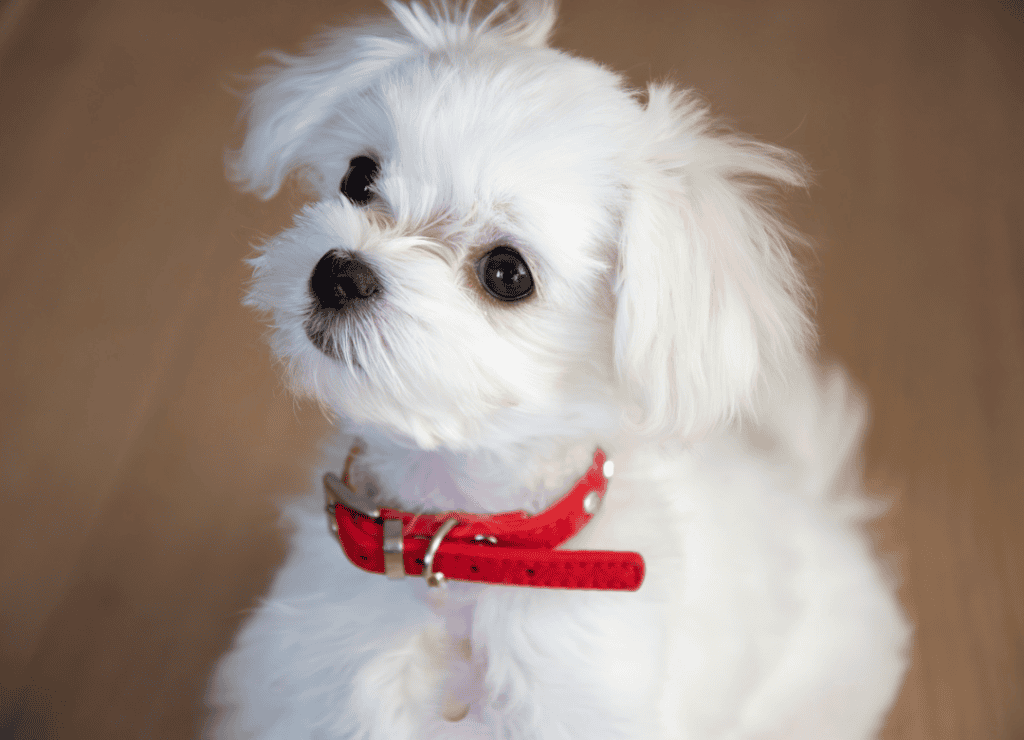
While every puppy can differ a bit, a common rule of thumb is as follows:
- Most puppies can hold their pee for about 1 hour per month of age
- 2 months old → about 2 hours
- 4 months old → about 4 hours
- 6 months old → about 6 hours
Why puppies and younger dogs need more potty breaks:
- Smaller bladders
- Less bladder control as they develop
- Still learning house-training routines
Signs your puppy is being asked to hold it too long:
- Frequent accidents
- Sudden sniffing or circling
- Whining or pacing
- Regressing in potty training
Would you love a simple book on how to help your dog be healthier and make your wallet happy in the process? This guide to stop your dog money worries will give you everything to easily do it without your pup wanting for more.
How Long Can Healthy Adult Dogs Hold Their Pee?
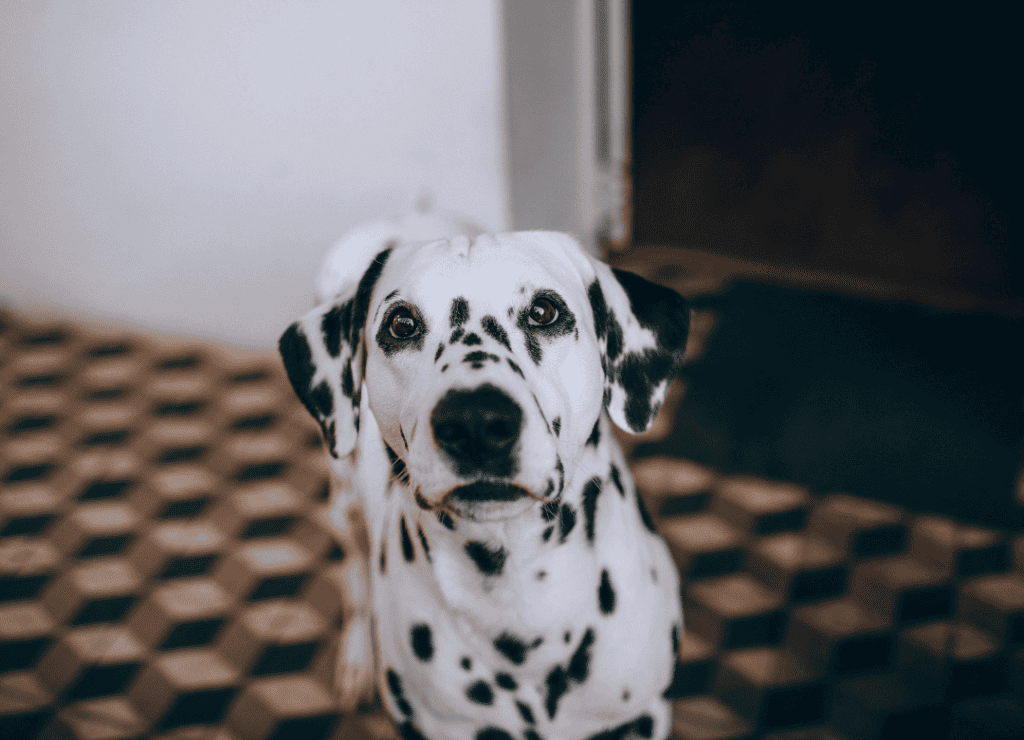
If you have a healthy adult dog, you can expect them to be able to hold for:
- Typical range: 6–8 hours
- Occasionally: Up to 10 hours (not ideal as a daily habit)
What affects your dog’s ability to hold their pee for an extended period?
- Work schedules and routines
- How much water they drink
- Activity level
- Stress or anxiety
Why making your dog hold it too long regularly is a bad idea:
- Increases risk of such issues as:
- Urinary tract infections (UTIs)
- Bladder irritation
- Accidents in the house
- Issues that can result include:
- Discomfort for your pup
- Anxiety around potty time
- Long-term bathroom habit issues
How Long Can Senior Dogs Hold Their Pee?
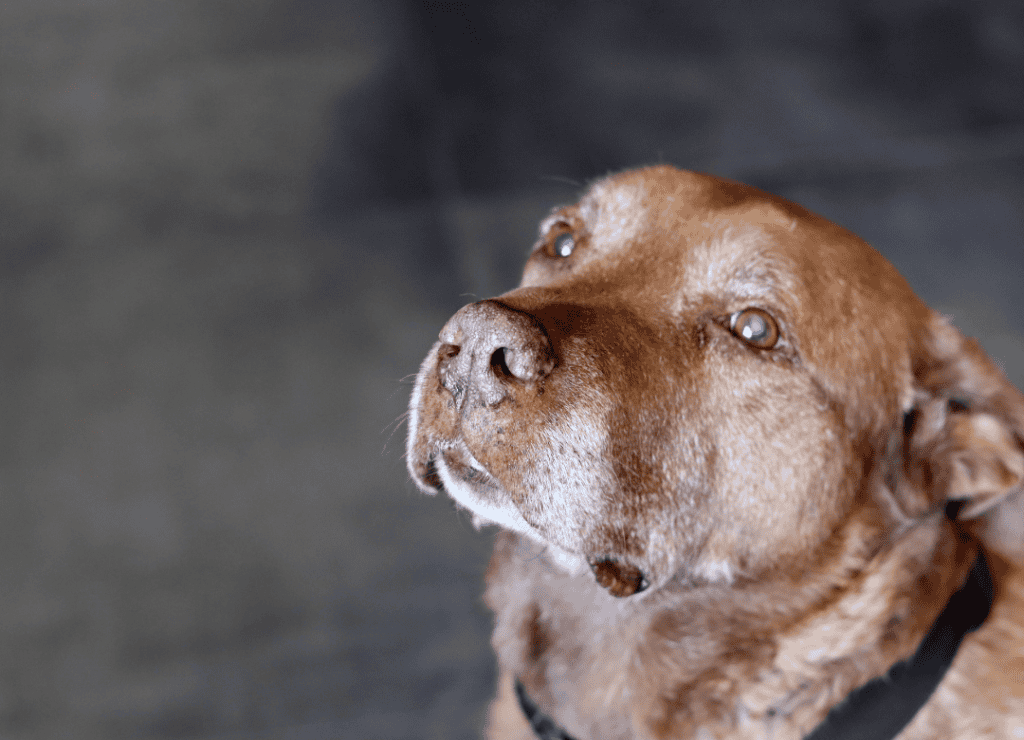
As dogs age, things change, again, just like humans. A few points to consider with an older dog are:
- Weaker bladder control
- More frequent urge to go
- Higher risk of medical issues like:
- Kidney disease
- Diabetes
- Urinary Incontinence (cognitive issues like dementia can decrease bladder control)
Many senior dogs need:
- More frequent bathroom breaks
- Shorter intervals between outings
- Easier access to the outdoors (or use pee pads like these ones)
- Using a dog walker for long days or when you’re sick
Note: Probiotics can also help with inflammation. I use these probiotics for Henry when his inflammation is worse. He loves it!
If your senior dog suddenly can’t hold it like they used to, it may not be just age. You may want to talk to your vet so you can address a problem and support your pup before it becomes an issue.
Important: Many dog parents think a crate can be used as a dog training method to teach their pup to hold it. Or that cleaning a crate won’t be as bad as some other spot. That’s incorrect. Much like you can’t go all day without a bathroom break, your dog needs those critical breaks as well. This guide walks you through the importance of crate training and how to do it so that it actually helps your pup.
What Affects How Long a Dog Can Hold Their Pee?
Several factors play a role in how long your dog can hold it. These include:
- Size and breed
- Smaller breeds often have smaller bladders
- Some breeds like English Bulldogs, Boxers, Shih Tzus, and Yorkshire Terriers are more prone to UTIs, which can necessitate more frequent urination
- Health conditions
- UTIs, diabetes, kidney issues, bladder stones, medications
- Cognitive issues
- Arthritis pain (especially untreated) may not encourage your dog to move (endure pain) to go out to pee
- Bladder cancer
- Water intake
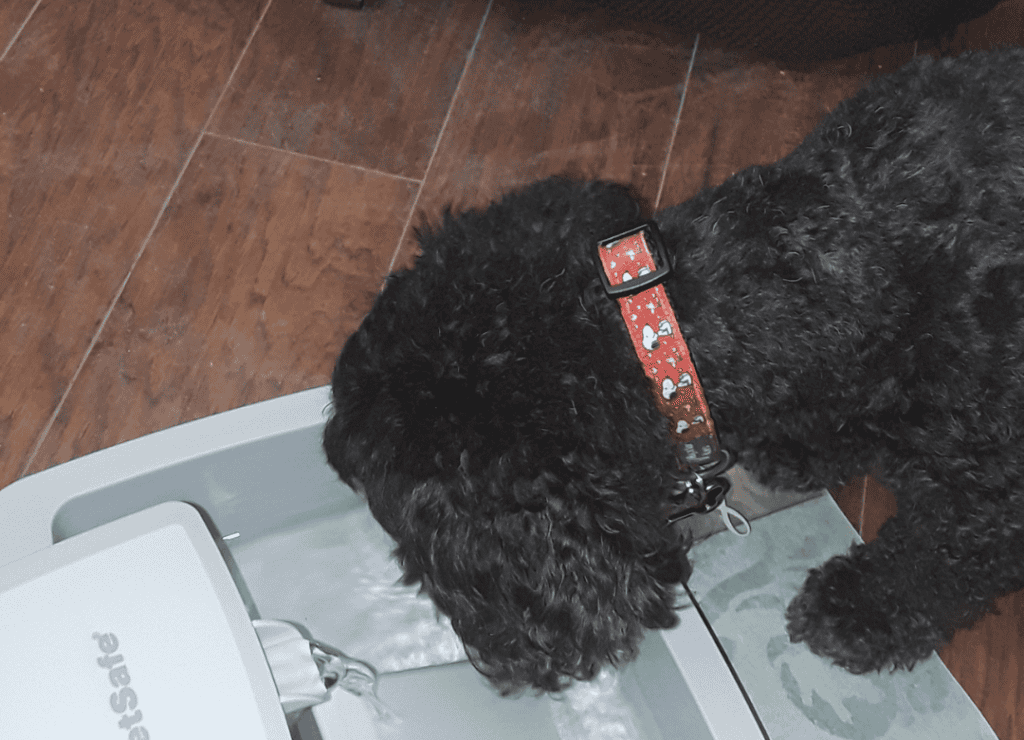
- More drinking should equate to more frequent peeing, which is usually a good thing. But if your dog is drinking but not peeing, it’s time to check in with your vet. This is the water fountain that encourages Henry to drink more water.
- Diet and activity level
- Stress or routine changes
If your dog’s bathroom habits change suddenly, that’s a clue that something else might be going on with your pup, and it’s time to call your vet.
NOTE: Some dog food and treats can induce drinking. Pay attention to how much water your dog drinks. Remember what goes in must come out in some form.
Water is as critical to your dog as air for overall health. This guide about the importance of clean water tells you how water can dramatically impact your pup’s health, including kidney, skin, and teeth health. The goal is always a healthy dog with lower vet bills.
Signs Your Dog Needs to Pee Right Now
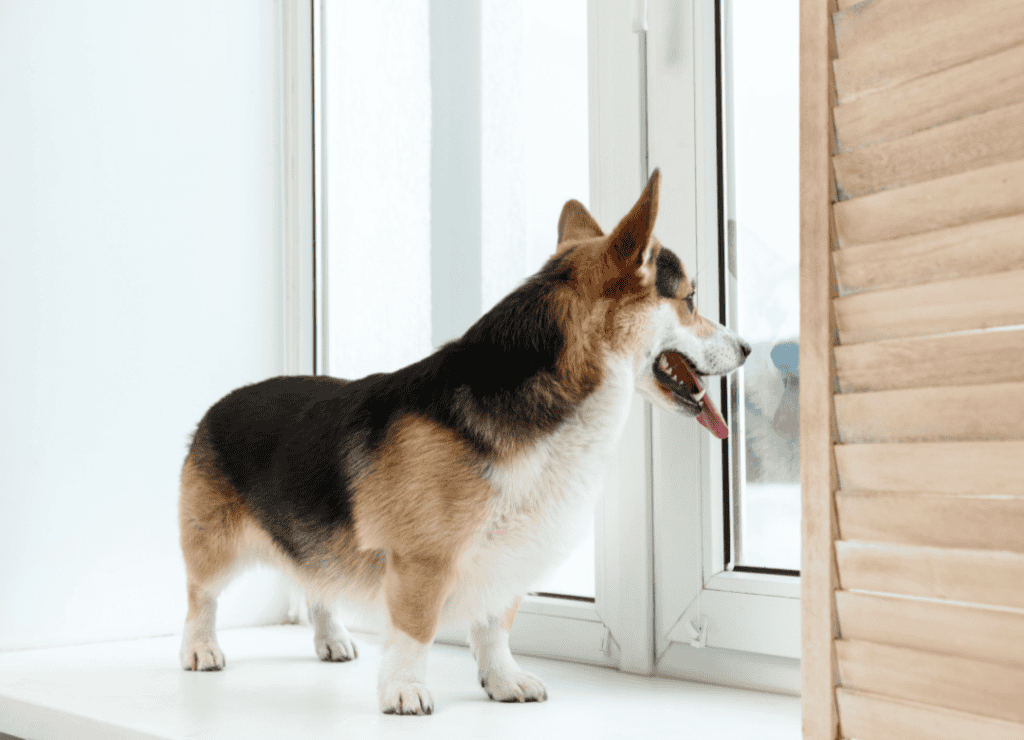
Obvious signs:
- Whining or barking
- Pacing or restlessness
- Circling
- Scratching, sitting, or standing at the door
- Jump spins or backing up (this is generally Henry’s cue)
Subtle signs people miss:
- Suddenly disengaging from play
- Sniffing the floor more than usual
- Standing near you and staring
- Seeming “off” or unsettled
Ignoring these signals can lead to:
- Accidents
- Stress
- Possible health issues
Taking your dog out for regular potty breaks is important. But creating and training your dog to use one area of your yard may be important as well. This guide tells you how to create a yard potty area and teach your pup to use it.
NOTE: Some dogs are very routine. Henry has to go pee at certain times of the day, such as first thing in the morning, after breakfast, after dinner, and before bedtime. Sometimes he doesn’t think he wants to go out to pee because there are noises or it’s windy. When he doesn’t go at these times, he can have an “accident.” Knowing your dog and his needs is key.
When to Talk to Your Vet
Make an appointment if you notice:
- Sudden increase in accidents
- Drinking much more water than usual
- Straining or discomfort when peeing
- Blood in the urine
- A house-trained dog suddenly regressing
Catching issues early is almost always cheaper and easier than waiting.
Did you know that a pet chiropractor can help with bladder issues? My guide to animal chiropractors tells you when to call one, what to expect, and how to find a good one for your furry friend.
Cost-Savings Breakdown: Why Potty Breaks Matter
You may not think that there are any cost savings to knowing how long your dog can hold his/her pee. But there is a surprising benefit both for your wallet and your pup. Consider the following for a moment.
| Possible Issues | Estimated Cost |
| Dog UTI, according to CareCredit | $45 – 500 |
| Bladder infection, according to Hepper | $45 – 400 |
| Kidney infection according to CareCredit | $300 – 4,500 |
| Kidney infection, according to CareCredit | $50 – 250+ |
| Medications, according to Petcarerx | $35 – 60 |
| Training regression, according to everydayinterest | $50 – 200 |
| Increased anxiety | Devastating!!! |
| Happy and Healthy Pup | PRICELESS!!!! |
Walking your dog daily isn’t a chore. It’s actually a health benefit for your buddy. This guide reveals the surprising impacts your daily dog walks have on your pup.
Related Articles You Might Like:
- Dog Chiropractors: Miracle Workers or Money Wasters?
- Awesome Reasons Your Dog Needs Water
- Dog Bathroom: Tail-Wagging Yard Potty Spots Save Cash!
- Dog Crate Benefits: Happy Pup and Wallet!
- A Simple Dog Walk Cuts Vet Costs. How?
Final Thoughts About How Long Dogs Can Hold Their Pee
While most adult dogs, including my Henry, can hold their pee for longer than 8 hours, they shouldn’t do it. Making your pup hold it for long periods of time can result in health issues, vet bills, and accidents. Of course, your buddy’s stage of life will impact how long your fur kid can hold his pee.
Puppies are still developing and need more potty breaks. On the other hand, senior dogs can lose muscle strength, have more health issues, and be on medications that will require more frequent pee breaks. In a nutshell, or doggy cookie, potty breaks work best for all dogs when they are more frequent.
Heck, I couldn’t hold my bladder for 10 hours. There’s no way I will expect Henry to hold his pee for a ridiculous length of time. It’s also good to recognize those potty break cues, even when you’re sick. At the very least, realize the accidents that happen aren’t the result of a naughty pup, but overlooked clues. I’ve missed Henry’s pee cues and know it’s my fault each time. But that’s part of life. Live and learn, right?