
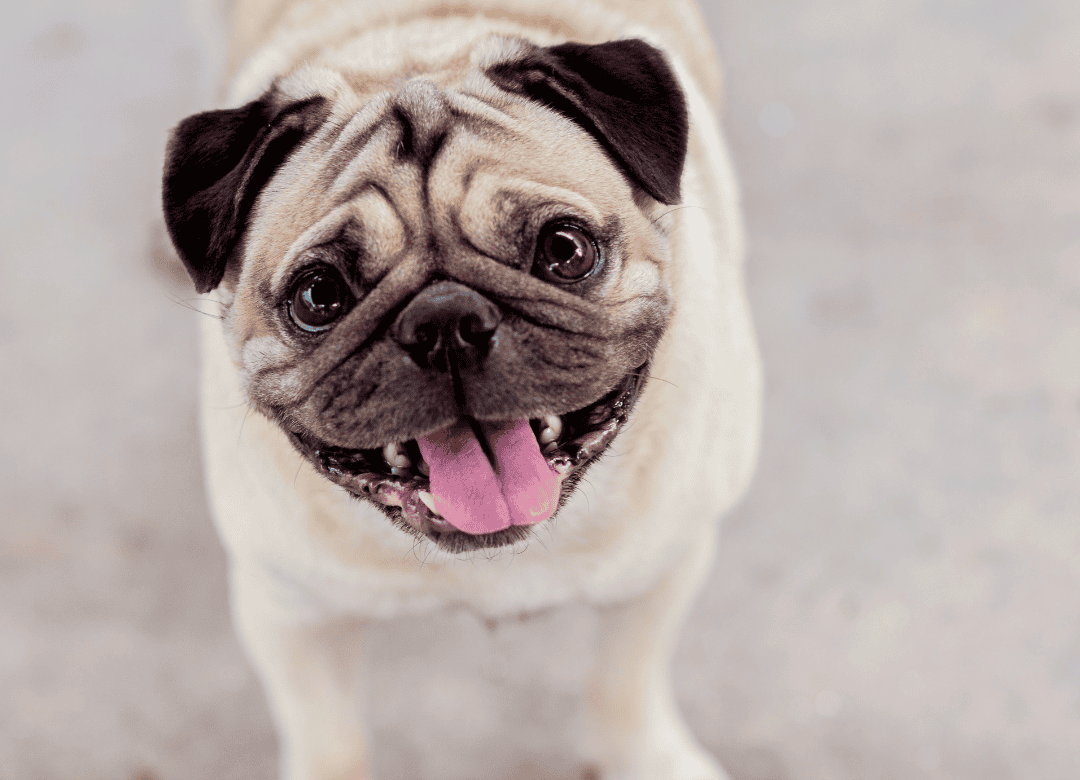

You may love your pup dearly, but still gag at their dog bad breath. Trust me, I’ve done that with my dog Henry.
Sometimes dog bad breath is completely normal. Other times, it can be a sign of dental disease or even an underlying health issue.
Let’s break down the common causes of dog bad breath, how to fix it, and when it’s time to call the vet.
As an Amazon Associate, I earn from qualifying purchases. I may get commissions for purchases made through this link. Learn more here.
Budget tip: Knowing when your dog’s bad breath is a symptom of something worse and not is a always a good idea. It helps to keep your pup healthy and your vet bills. Also knowing how to make the normal bad breath not so bad is good for you. That’s all a major win-win!
📌 PIN FOR LATER!
Why Does My Dog Have Bad Breath?
Dog bad breath is most commonly caused by dental disease, plaque buildup, food stuck in the teeth, or diet issues. Less commonly, bad breath can be a sign of health problems such as diabetes, kidney disease, or liver disease.
If your dog’s bad breath appears suddenly or is accompanied by symptoms like vomiting, lethargy, or excessive thirst, it’s best to contact your vet.
The most common causes of dog bad breath include:
- Dental disease and tartar buildup
- Food stuck between teeth
- Diet issues or eating garbage
- Digestive problems
- Health conditions like diabetes or kidney disease
What I Use to Help My Dog’s Bad Breath
If your dog’s breath needs a little help, these are the exact things I use with Henry that have a noticeable difference in his breath.
- Dog dental spray – An easy daily option that helps freshen breath without brushing
- Dental chews – Great for reducing plaque and keeping breath under control between cleanings. These are great because they aren’t super hard, if you’re worried about your pup breaking a tooth. It’s a concern with Henry since he broke one, and it’s saying how.
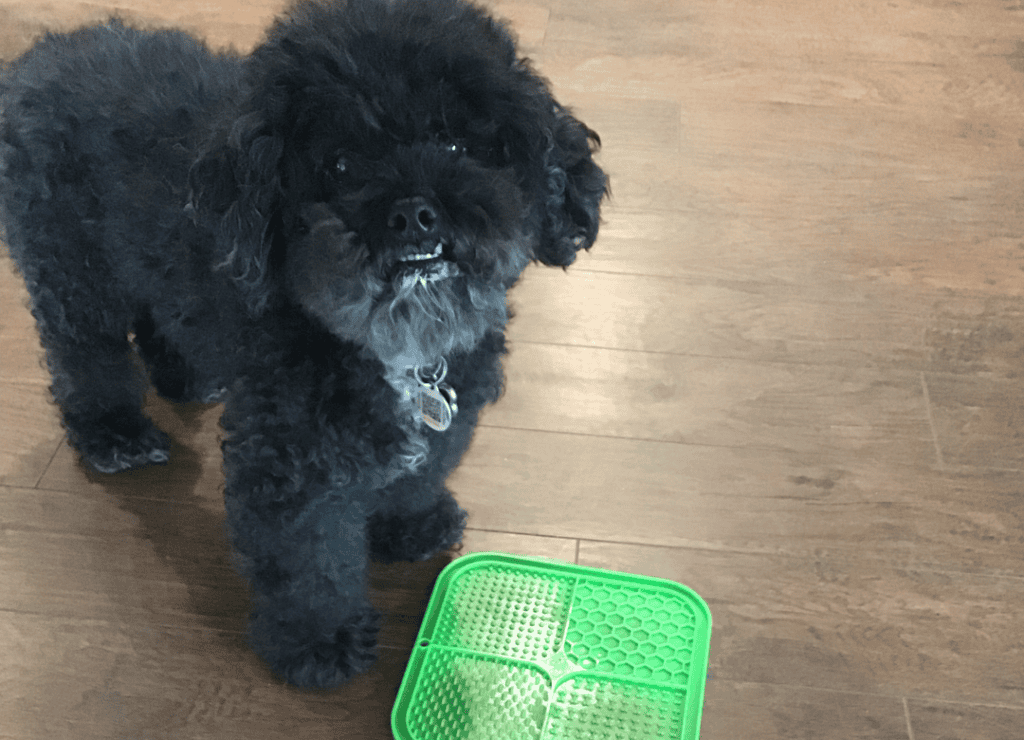
- Lick mat – Encourages saliva, which supports a healthier mouth (plus it keeps them busy!)
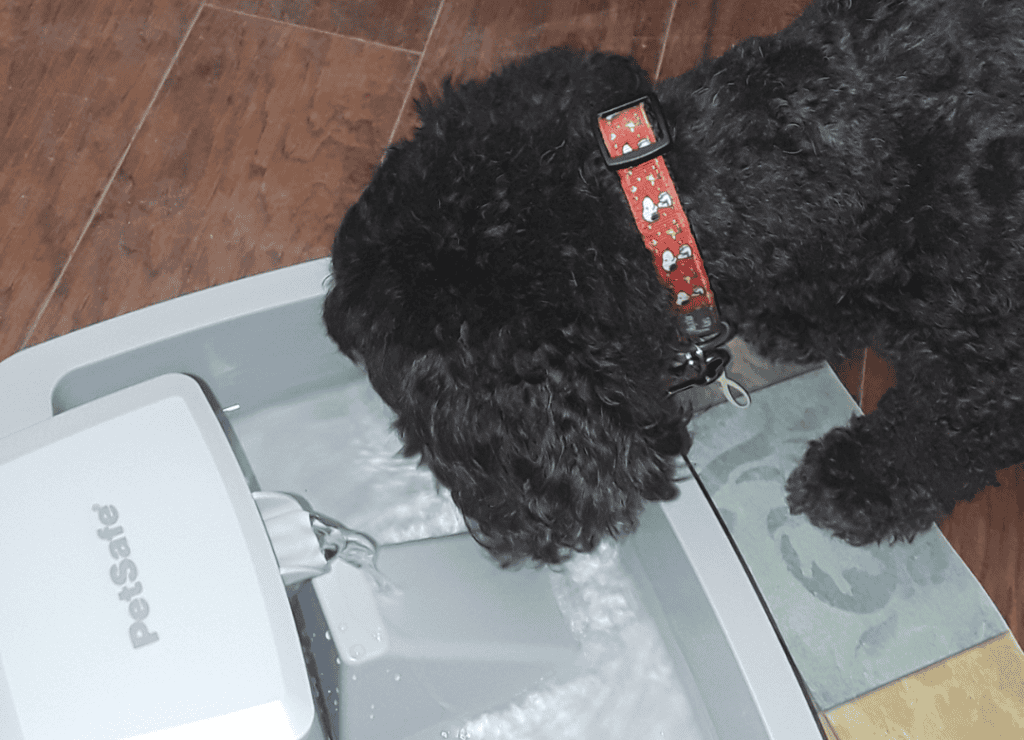
- Dog water fountain – Helps your dog drink more water, which naturally keeps their mouth cleaner
These are all budget-friendly and easy to add to your routine.
Is Dog Bad Breath Normal?
Generally speaking, mild bad breath is normal. It’s the turn your stomach, foul, or unusual smell that you need to worry about.
Your dog’s bad breath usually has a cause. The trick is to discover what is causing the odor.
Common Causes of Dog Bad Breath
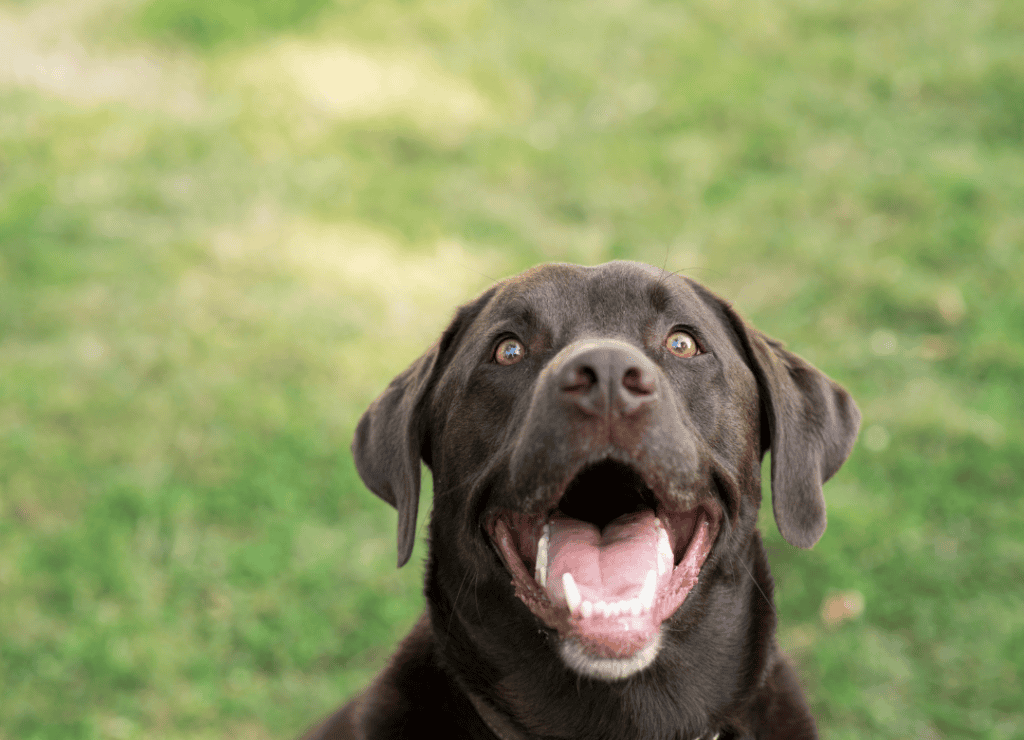
Never distance yourself from your dog due to his bad breath. Instead, search for the root cause, find the fix, and get your pup on the healthy breath and oral health path.
Dental Disease (Most Common Cause)
Dog oral health issues are often the underlying cause of dog stinky breath. Regular dental care can prevent many of these problems. If you want easy ways to keep your dog’s mouth healthy, read Healthy Mouth for Dogs: No Drool, Just Facts. Dental disease can stem from:
- Plaque and tartar buildup
- Gum or oral infection
- Bacteria creating odor
Dog Food and Dog Diet
I know Henry’s food is very smelly, which includes his treats and supplements.
- Smelly food
- Eating garbage or poop
- Food stuck in teeth
Note: Henry has gotten food stuck between his teeth and check. He’ll lick and paw at it. Then I have to get a flashlight, find the small piece of treat, and toss it.
Something Stuck in the Teeth
Naturally, your dog can’t floss his teeth. But they can still get debris stuck between and on their teeth. This can include:
- Sticks
- Hair
- Bone fragments
Digestive Issues in Dogs
Henry has a very sensitive stomach. When he’s having a tummy ache, his breath will be bad until it passes. The issues that can be related to this cause include:
- Upset stomach
- Diet problems
- Food intolerance
- Sensitive stomach
Dog Grooming
If your dog is licking his/her groin as a way to stay, it can translate to bad breath. I’ve noticed this with Henry after he’s groomed himself.
Dog Diabetes Issues
Just like with humans, dogs can get diabetes. It can also drastically impact their breath. The signs your dog might have diabetes include:
- Sweet or fruity breath
- Increased thirst
- Weight loss
Dog Kidney Disease
Again, this is very much similar to human kidney disease. My last kitty had kidney disease, and she did have bad breath. The signs your dog might be struggling with kidney disease include:
- Breath smells like ammonia or urine
- Lethargy
- Appetite changes
Dog Liver Disease
Your dog will generally exhibit bad breath with liver disease. Possible signs your dog has liver disease include:
- Musty or rotten smell
- Vomiting
- Yellowing of eyes or gums
What Different Dog Bad Breath Smells Can Mean
| Breath Smell | Possible Cause | What to Do |
| Rotten or fishy | Dental disease or gum infection | Check teeth and gums |
| Sweet or fruity | Possible diabetes | Call your vet |
| Ammonia or urine smell | Possible kidney disease | Schedule vet visit |
| Musty or foul | Possible liver disease | Schedule a vet visit |
| Garbage-like | Eating poop or trash | Monitor diet |
Different smells can sometimes give clues about what’s causing your dog’s bad breath. If your dog’s breath suddenly smells very different than usual, or has persistent bad breath, it may be a clue that something is wrong, and a vet visit may be needed.
Why Does My Dog’s Breath Smell Like Fish?
If your dog’s breath smells fishy, it’s often a sign of dental disease or tartar buildup. Bacteria can create strong odors, which many dog parents describe as fishy.
Also, some dogs can also spread the smell of anal gland secretions to their mouth while grooming themselves, which can also create a fishy odor.
But it could also be very simple, such as fish-based dog food, treats, or supplements, producing a fishy odor. Honestly, this one got me a few times because I didn’t realize Henry’s treats and supplements were so fishy.
If the smell is strong or persistent, check your dog’s teeth and gums for tartar, redness, or swelling. A vet visit may be needed to rule out dental disease.
Why Does My Dog’s Breath Smell Like Poop?
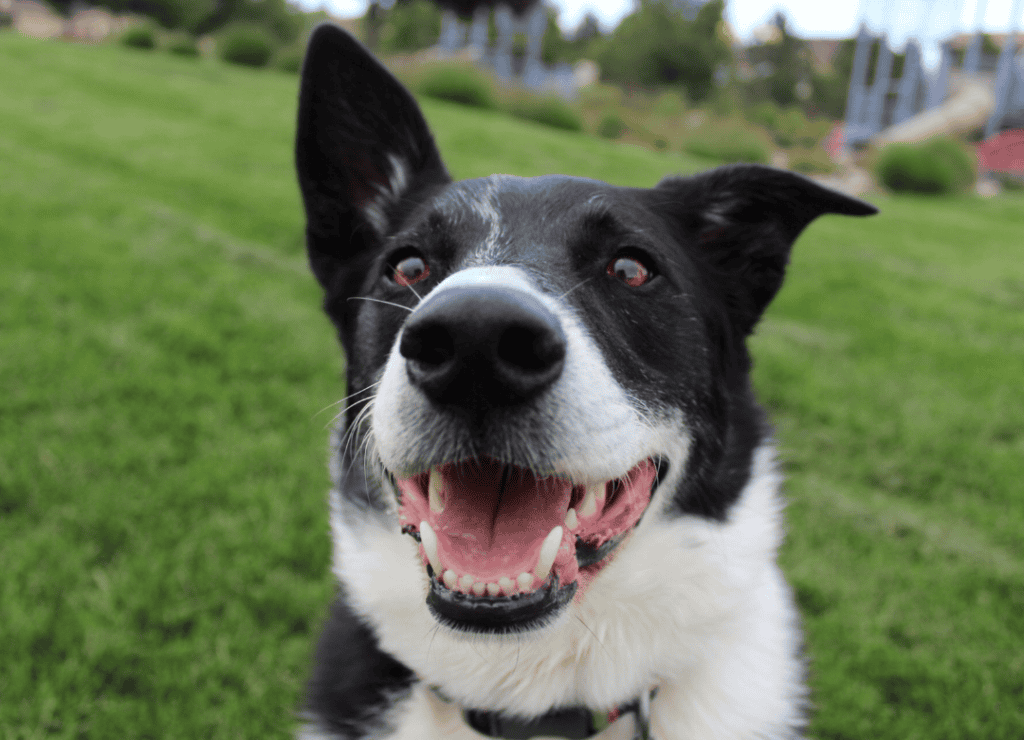
If your dog’s breath smells like poop, the most common reason is coprophagia, which means eating feces. Many dogs do this occasionally, and the smell can linger on their breath afterward. Henry’s best pup mate suffers from this issue.
Another possible cause is severe dental disease, where bacteria create extremely foul odors.
If your dog frequently eats feces or the smell doesn’t go away, it’s worth checking their teeth and discussing the behavior with your vet.
When Should You Worry About Your Dog’s Bad Breath?
Call the vet if your dog’s bad breath is accompanied by:
- Bleeding gums
- Loose teeth
- Trouble eating
- Drooling
- Vomiting
- Weight loss
- Excessive thirst
- Breath that smells sweet, metallic, or like ammonia
When in doubt, it’s always best to check with your vet. It helps to keep your pup healthy, which is really the end goal.
If your dog shows other unusual behaviors along with bad breath, or it’s chronic bad breath, it may help to understand what those signs mean. For example, excessive licking can sometimes signal discomfort or stress. Learn more in Dog Licking Paws: What It Really Means (And When to Worry).
Quick 30-Second Check for Dog Bad Breath
With just 30 seconds, you can keep your dog’s mouth healthy and bad breath at bay. You’ll want to look in your dog’s mouth for:
- Yellow or brown tartar on teeth
- Red or bleeding gums
- Food or objects stuck between teeth (remove if possible)
- Loose or damaged teeth
- Tooth decay
- Swelling or unusual growths
If left untreated, these issues can become a big vet bill. In the case of bad breath, bacteria from plaque and tartar buildup are the most common causes. But you will want to reduce these common issues so they don’t turn into a massive bill.
How to Fix Dog Bad Breath
The good news is that there are tricks to help with the dog’s bad breath.
Clean Your Dog’s Teeth
This is the most effective way to keep bad breath in check. I use a dog dental spray for Henry daily, and it’s one of the easiest ways to freshen breath without wrestling with a toothbrush.
Dental Chews or Toys
Chewing helps to break down plaque and keeps bad breath to a minimum. Henry’s favorite dental chews help reduce plaque and give him fresh breath between brushings.
Lick Mat
Interestingly, lick mats were invented in Australia as a way to encourage licking and saliva production for better mouth health. Henry loves pumpkin on his lick mat, and it keeps him busy while helping his mouth stay healthier.
Professional Dental Cleaning
When tartar buildup is severe or there is any other dental issue, a professional is always your best solution. It will reduce the pain your dog is most likely experiencing and minimize the bad breath.
Check for Objects Stuck in Teeth
As I mentioned, I’ve found pieces of cookies stuck between Henry’s teeth and check. I’ve also found small pieces between his teeth. Henry’s a calm pup, and removing them has always been easy.
Improve Diet Quality
The old saying “garbage in, garbage out” certainly applies to your dog’s diet. Think about what would happen if you ate fast food for every meal. You’d probably have digestive issues and bad breath at the very least.
The same is true for your dog. You don’t need to break the bank to feed your dog. Just feed the best quality food you can afford and ask your vet for guidance on the food that will work best for your pup.
Can You Prevent Dog Bad Breath?
The good news is you can certainly reduce, if not eliminate, your dog’s bad breath. The tricks are easy. They include:
- Daily tooth cleaning
- Annual dental checks
- Dental treats or chews
- Lick mats
- Healthy diet (best you can afford)
- Routine vet visits
Note: Fresh water helps wash bacteria from your dog’s mouth. Henry drinks much more water since we switched to a dog water fountain, which also helps keep his breath fresher.
Safe Home Remedies for Dog Bad Breath
I always believe in preventative care to avoid an issue down the road. These are my home remedies for keeping Henry’s breath fresh:
- Daily teeth cleaning
- Dental chews
- Crunchy vegetables like carrots
- Fresh water
- Lick mat
How Treating Dog Bad Breath Early Saves Money
It may seem silly to think that you can save money by keeping your dog’s breath fresh. But it’s true. It means you catch health issues early and act. Take a moment and consider the following possible expenses.
| Possible Issue | Estimated Expense |
| Dental cleaning | $400 – 1,500 |
| Tooth extraction | $50 – 500 per tooth |
| Dental x-rays | $150 – 300 |
| Root canal | $1,500 – 3,000 |
| Kidney disease | $75+/month |
| Liver disease | $500 – 1,500+ |
| A happy and healthy dog | PRICELESS!!! |
Related articles:
- Easy And Effective Low-Cost Dog Dental Care
- Healthy Mouth for Dogs: No Drool, Just Facts
- Dog Licking Paws: What It Really Means (And When to Worry)
- 8 Awesome Reasons Your Dog Needs Water
Frequently Asked Questions About Dog Bad Breath
Why does my dog suddenly have bad breath?
It could simply be that your dog ate something you didn’t see or notice. If the bad breath happens suddenly and is accompanied by vomiting, lethargy, or loss of appetite, contact your vet.
What does kidney disease breath smell like in dogs?
The telltale sign of kidney disease in dogs is that their breath will smell like ammonia or urine.
Can dog bad breath make you sick?
Other than gagging, if the breath is really bad, no. Generally, health issues aren’t transmitted from dogs to humans.
Do dental chews actually help dog breath?
They certainly can, especially if the smell is mild. Henry’s dental chews help with his breath.
Why does my dog’s breath smell like fish?
There are several reasons your dog’s breath may smell fishy. The most common cause is dental disease or tartar buildup, which allows bacteria to create strong odors.
Other possible causes include:
- Anal gland secretions transferred during grooming
- Fish-based foods or treats
- Food stuck between the teeth
- Urinary tract infection
Dog Bad Breath Can Be Corrected
📌 PIN FOR LATER!
Most bad dog breath comes from dental or oral health issues. So, it’s good to have a daily dental care routine to stay on top of any possible issues.
Sometimes we wish our dogs could talk, but when they show us signs, we might turn our noses up or leave the room. Foul breath can be an indicator of health problems you will want to check with your vet about those issues.
Although I’m happy to report that regular dental care can prevent a lot of issues, including bad breath. I’m grateful Henry’s daily dental routine is working.


I love this ‘search for the root cause, find the fix’. This is beyond important. Don’t just go Eeeew – ask why your dog’s breath smells strange or odd.
I love your lists, they would make an excellent book for worried owners and, like them, I wish MY pets could talk and tell me what’s wrong!
Exactly! It could be something super simple like a new cookie you didn’t realize was so stinky.
Thanks for the book idea. I may need to put Henry on that task. I feel a bit buried. 😀
Dental health in dogs is so critical, it really can lead to serious health issues if ignored. I started taking my dog for non-anesthetic cleanings. I was worried about my dogs when they became seniors. I didn’t want them to have anesthesia if not absolutely necessary. These are all great ways to address dog’s bad breath and dental health. I use dental chews and brushless dog toothpaste in addition to the non-anesthetic cleanings.
Dental health is the foundation to good health. I love that you found vets to do non-anesthetic cleanings. That’s a great idea! Thanks, for sharing, Cathy!
I was just talking to my vet about this, Nili thank goodness has good teeth and what I am doing to keep her breath smell good is water additive in her water plus greenies and the vet that is the best. Phew.
That’s a good idea to add a water additive. I bet that has helped with Nili’s breath (plus her greenie cookies).
Excellent article, Terri. Dog dental health is so, so important, just like with us humans! I love that you highlight not only some reasons why this can occur, but some great hacks for folks to help them keep their pup’s pearly whites clean and breath smelling sweet, which equals good health! And it’s key to see a vet when in doubt.
You had mentioned it can happen when something gets stuck in the dog’s teeth – I can certainly attest to this! Turns out when I check our girl Bandit’s mouth one time (they never had bad breath, so I knew something was up). I checked her out and saw this horrible what-I-thought-was-a-sore on her gums, so I contacted our vet. Upon examination, it turned out to be a chunk of wood (!!!!) our vet extracted and we suspected was from a branch she had found chewed on! I still have that in a tube (as I wanted to write about it and still need to!)…I was so thankful that after removal (it left a dime-sized hole!), and a round of antibiotics, the hole eventually healed and closed back up. But what an experience! And Bandit never once complained. So checking out their mouth is so important.
I love the pics of Henry!
I’m sharing this with my readers for sure!
Oh my! Poor Bandit! I’ve been very lucky that when something is wrong, Henry gives me a sign as to what and where. Like when he gets something stuck in between his check and teeth, he’ll paw at his mouth and chew. So, I know something is wrong with his mouth. Bandit was a warrior. She definitely learned from Gibson and you. Such an amazing story. You really do need to write about it, Dorothy!